False alarms are no longer viewed as a simple inconvenience in residential and light commercial fire safety projects. For property developers, alarm brands, contractors, and distributors, nuisance alarms have become a measurable lifecycle cost issue.
In apartments, hotels, student housing, rental properties, and interconnected residential projects, repeated smoke alarm beeping often results in:
Field feedback from overseas OEM and ODM projects shows that many so-called “alarm failures” are not caused by defective products. Instead, they are linked to installation environment, contamination, maintenance gaps, or aging sensors.
For brand owners, contractors, property management companies, and distributors, false alarms not only impact user experience but also directly lead to:
Based on feedback from numerous overseas projects, over 70% of “alarm malfunctions” are not due to product damage but rather false alarms caused by the installation environment, maintenance methods, or product aging.
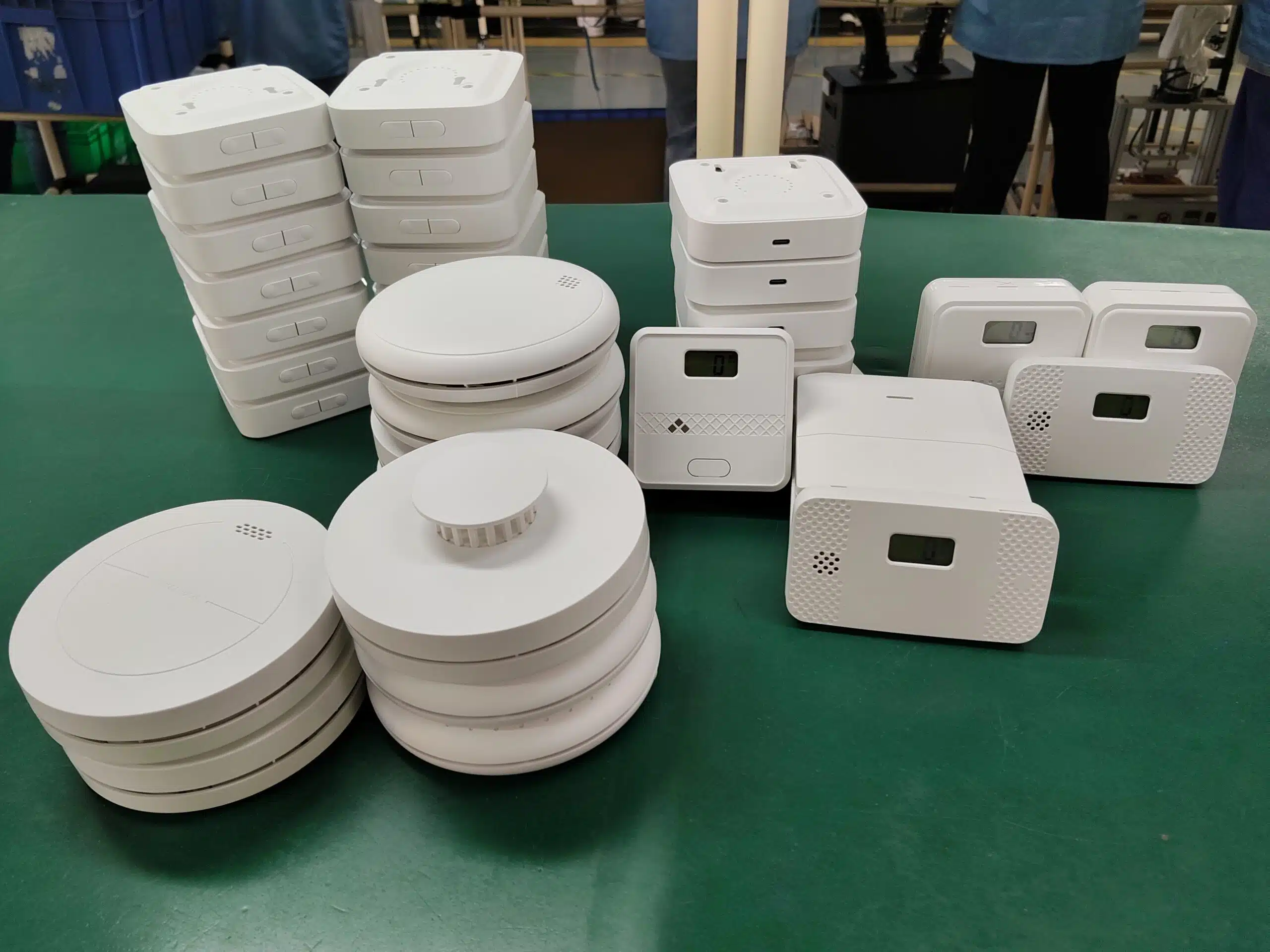
False alarms in smoke detectors are usually not due to actual equipment malfunction but rather to fumes, moisture, dust, insects, incorrect installation, or aging equipment. Removing the battery directly will cause the device to lose accurate fire warnings.
CFS recommends using photoelectric smoke detectors, optimizing installation locations, conducting regular maintenance, and employing low-false-alarm algorithms to reduce after-sales complaints.
CFS supports OEM and ODM projects with:
Suitable for distributors, fire brands, and property projects seeking lower complaint rates and improved long-term reliability.
Why Smoke Detector False Alarms Matter in Modern Fire Safety Projects
Many consumer discussions focus on the annoyance of nuisance alarms.
Professional buyers view the issue differently.
A false alarm is often connected to:
In large residential projects, a single nuisance alarm complaint can trigger:
For distributors and fire safety brands, this directly affects repeat business.
This is why experienced project buyers increasingly evaluate:
Rather than focusing only on purchase price.
In many retrofit projects, nuisance alarms become a larger cost burden than the alarm itself.
What is a Smoke Detector False Alarm?
A “false alarm” is an alarm triggered when there is no actual fire risk.
It is important to note: False alarm ≠ Product damage.
Many end users react to alarm activation by:
This creates a dangerous misunderstanding.
In North America, Australia, and Europe, fire investigations have repeatedly shown that disabled alarms are associated with severe fire incidents and delayed occupant evacuation.
From an engineering perspective, nuisance alarms generally originate from:
- Non-fire airborne particles
- Environmental contamination
- Airflow disturbance
- Aging sensors
- Improper installation
The alarm is responding to what it detects.
The problem is often the surrounding conditions rather than the detector itself.
Why Removing Batteries Is Not a Solution
From a fire safety engineering and risk management perspective, however, it creates a far greater problem.
Removing the battery does not solve the root cause of false alarms. It only removes the warning capability.
This distinction matters.
In residential projects, apartments, rental properties, and interconnected alarm systems, many reported “alarm failures” are ultimately traced to environmental conditions rather than defective products. Common contributors include:
A false alarm does not automatically mean product failure.
The detector often responds to airborne conditions it was designed to detect.
The more serious concern arises when occupants begin to associate alarm activation with product unreliability and choose to permanently remove the batteries.
This creates two immediate risks.
Loss of Real Fire Warning Capability
The primary purpose of a smoke alarm is not daily silence—it is early fire warning.
Once the battery is removed, the alarm can no longer provide:
Battery removal may increase:
Battery Removal Often Increases After-Sales Cost
Field experience from OEM and ODM(https://customfiresecurity.com/service ) residential projects suggests that nuisance alarms themselves are not always the largest cost driver.
Loss of user trust usually is.
Once occupants conclude that alarms “always beep for no reason,” the result often includes:
For distributors and alarm brands, these secondary costs often exceed the value of the alarm hardware itself.
This is why mature fire protection programs focus on identifying the cause of nuisance alarms rather than encouraging users to disable protection.
A Better Engineering Approach
Instead of removing batteries, a more effective path includes:
1. Identify the trigger source
Confirm whether the alarm is affected by cooking smoke, steam, dust, or airflow conditions.
2. Review installation location
Following NFPA 72 and local installation guidance, avoid placement:
3. Maintain the alarm regularly
Monthly cleaning helps prevent chamber contamination and sensitivity drift.
4. Replace aging units
Most smoke alarms are designed for a service life of approximately 7–10 years.
5. Consider low-false-alarm photoelectric technology
Compared with traditional ionization designs, photoelectric smoke alarms generally provide better resistance to cooking-related nuisance alarms and are increasingly preferred in modern residential projects.
Ultimately:
Removing the battery addresses the sound, not the cause.
For contractors, property managers, and fire safety brands, the long-term solution is not disabling alarms—it is selecting better detection technology, improving installation quality, and reducing nuisance triggers through proper system design.
False Alarm vs Real Fire Alarm — How to Tell the Difference
“Was this a false alarm or a real danger?”
The distinction matters.
A false alarm usually presents as:
A real fire alarm typically involves:
Smoke alarms should never be ignored simply because earlier alarms proved to be nuisance events.
This is especially important in interconnected systems where one initiating device activates multiple alarms.
Under NFPA 72 installation philosophy, alarms are intended to prioritize occupant safety rather than convenience.
Short-term nuisance alarms can be managed.
Missed fire alarms cannot.
When Should You Evacuate?
“The alarm is sounding — should I evacuate immediately or first check whether it is a false alarm?”
From a fire protection engineering perspective, this is not simply a homeowner decision. It is a risk management decision.
The first principle is clear:
A smoke alarm should never be ignored before the situation is verified.
Under NFPA 72 fire alarm design philosophy, alarm systems are intended to prioritize:
rather than waiting until smoke or flames become visually obvious.
A Potential Real Fire Event
This is especially relevant in:
- Apartments
- Hotels
- Student accommodation
- Multi-family residential buildings
- Interconnected residential systems
In these environments, assuming an alarm is false without verification can create unnecessary risk.
Field experience shows that early-stage fires often develop with limited visual indicators. In many cases:
Situations More Commonly Associated With Environmental Triggers
Not every alarm event indicates an active fire.
Certain alarm patterns are more frequently linked to nuisance alarm conditions, including:
These conditions are commonly associated with:
Typical corrective actions include:
Simply removing the battery or permanently silencing the unit addresses the symptom, not the source of activation.
Alarm Fatigue Is Becoming a Growing Project Risk
For property managers and fire safety brands, evacuation decisions are not only about occupant behavior.
They also affect:
A nuisance alarm can be investigated. A missed fire warning cannot be reversed.
Top 8 Causes of Smoke Detector False Alarms (Ranked by Real Project Feedback)
1. Burnt Food and Cooking Particles
This is the most common source of false alarms worldwide in residential settings.
Especially noticeable in:
Common triggering particles include:
These particles scatter light inside photoelectric chambers and may reach alarm thresholds.
Modern UL217 requirements increasingly recognize cooking-related nuisance scenarios.
Engineering Solutions:
In many apartment projects, installation distance alone significantly reduces complaints.
2. Steam & Humidity
Installation near bathrooms is a high-risk area for false alarms.
Typical scenarios:
High humidity environments can cause:
Many installers underestimate humidity impact.
In retrofit projects, bathroom-adjacent placement remains a major source of nuisance alarms.
Recommendations:
3. Dust & Dirt
Dust contamination develops gradually.
Because the process is slow, users often assume the alarm has become defective.
Common environments include:
Dust can:
Preventive measures:
Maintenance remains essential.
Even premium alarms perform poorly if neglected.
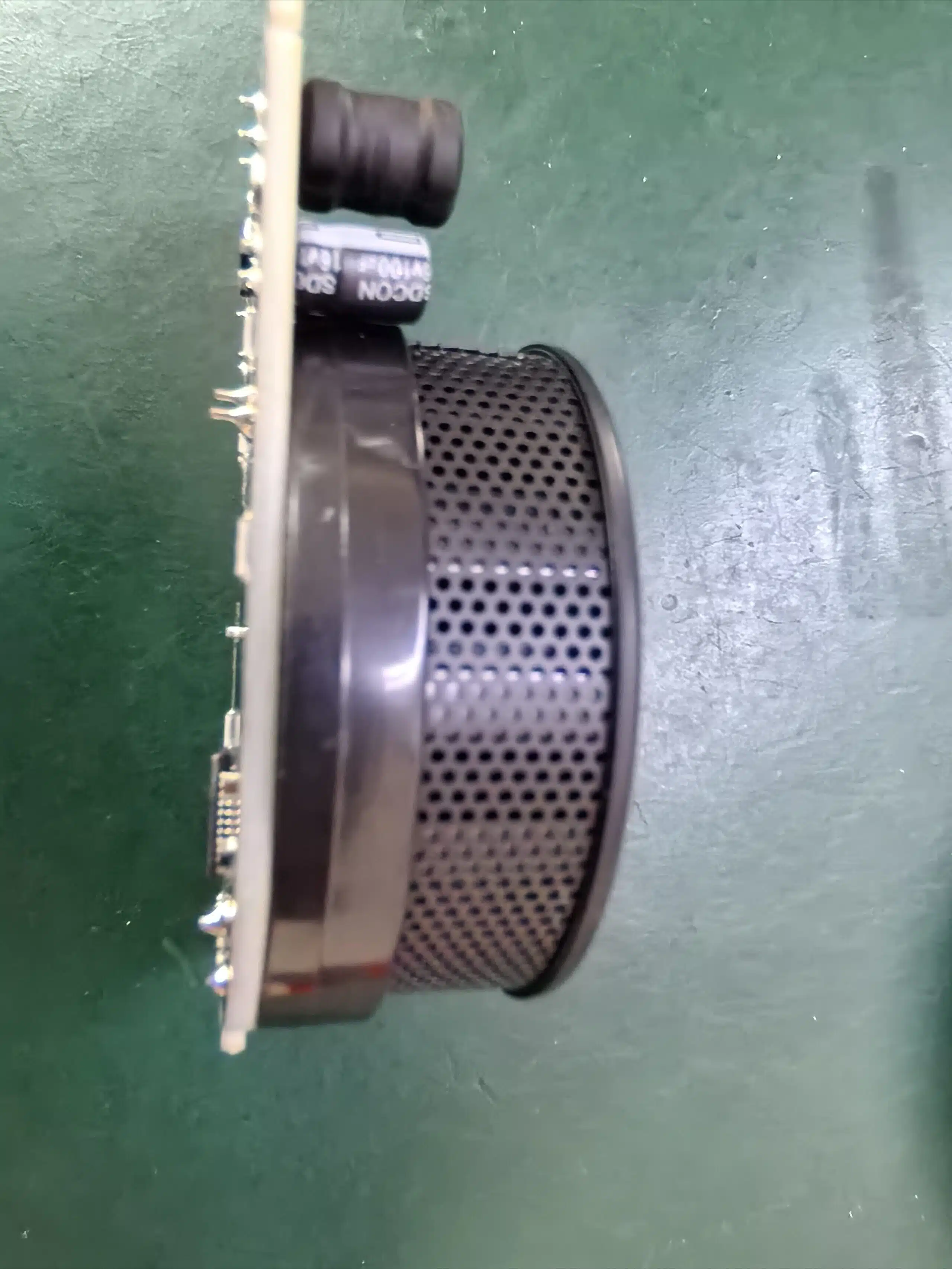
4. Insects entering the smoke-detecting chamber
Many overseas customers overlook this issue.
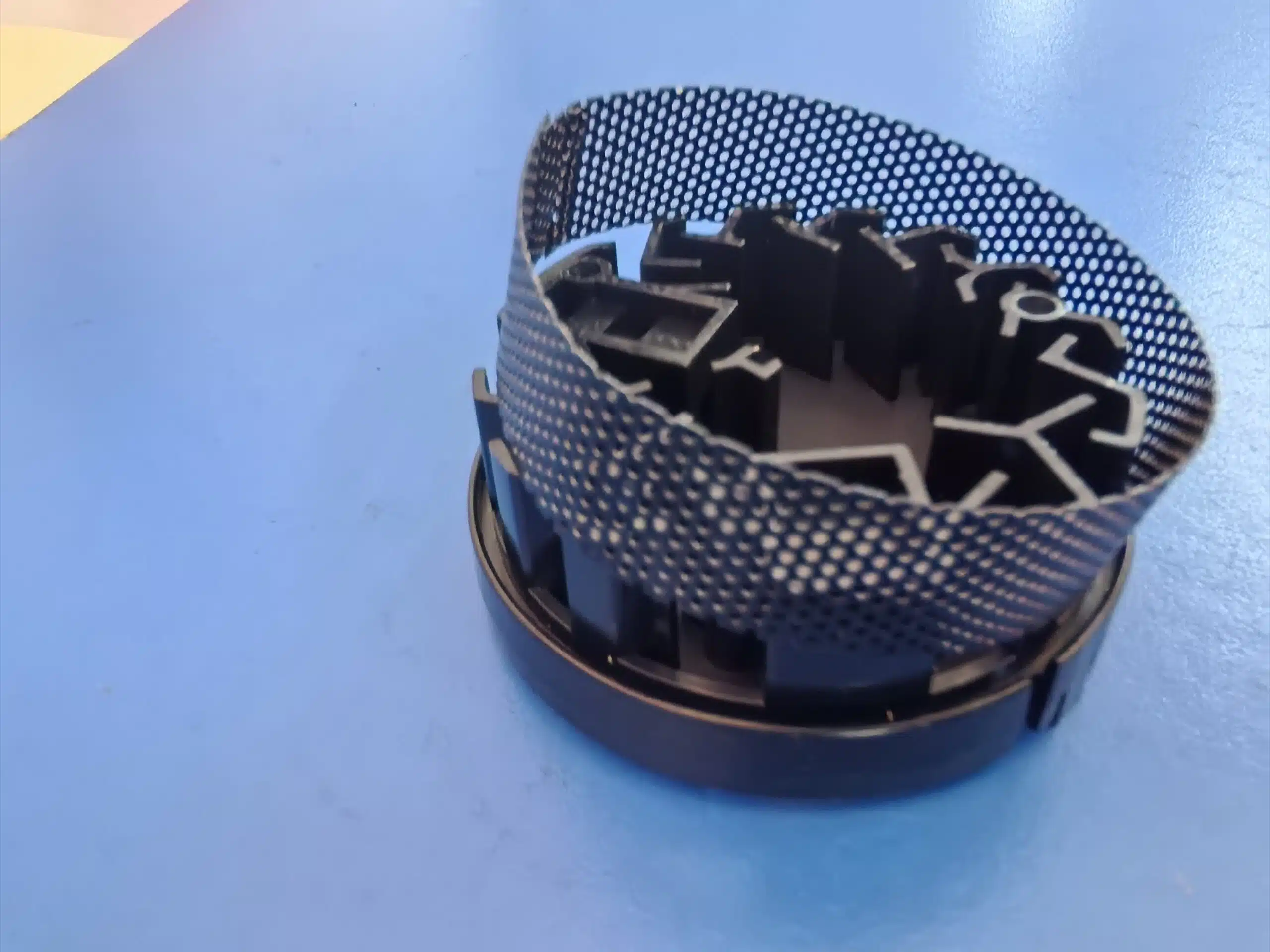
Small insects entering the optical maze directly alter the infrared scattering path, triggering continuous alarms. This is particularly noticeable in the Australian, Southeast Asian, and African markets.
Small insects entering optical chambers may:
The detector is functioning normally.
The contamination creates the problem.
Optimization directions:
Distributors serving humid climates increasingly request insect-resistant designs.
5. Fireplace Smoke
In European and American residences:
These can all trigger alarms.
The root cause is not equipment malfunction, but rather: the particulate concentration has reached the alarm threshold.
Recommendations:
6. Chemical Fumes and VOC Exposure
The following scenarios are prone to false alarms:
Some VOC particles may enter the optical cavity.
This is particularly relevant during:
Engineering solutions:
Industrial and mixed-use projects benefit most from these features.
7. Poor Placement
Many after-sales issues stem from incorrect installation.
For example:
These can all cause abnormal airflow disturbances.
NFPA 72 installation guidance emphasizes:
Recommended installation principles:
Installation quality often matters as much as product selection.

8. Aging Unit
Most smoke detectors have a lifespan of 7-10 years
After aging, the following may occur:
This is also the main reason for long-term “random false alarms”.
Industry trends: More projects are adopting:
This reduces maintenance burden and unauthorized battery replacement.
Successful projects typically combine:
CFS supports fire safety brands and distributors with OEM/ODM smoke alarm solutions focused on reducing complaint rates and improving field performance.
Why CO Alarms Also Trigger False Alerts
Compared to smoke detectors, false alarms from CO detectors are more likely to cause panic among users.
Because users typically associate them with:
Many false CO alarms stem from the following reasons.
1. Low Battery
Low voltage can cause:
Many users mistakenly believe it is a real CO leak.
2. CO Sensor Aging
The typical lifespan of an electrochemical CO sensor is: 5~10 years
After aging:
These will all lead to false alarms.
3. Vehicle Exhaust Near Vent
Commonly found in underground parking garages and driveways.
Especially in:
These systems may briefly draw in actual CO gas.
4. Faulty Fuel-Burning Appliances
These situations are not true “false alarms.”
The cause could be incomplete combustion.
Therefore, a CO alarm should not be ignored.
How to Prevent Smoke Detector False Alarms
For B2B clients, the truly core metrics are:
1. Regular Cleaning
Recommendations:
2. Optimize Installation Location
This is one of the most effective measures.
Many projects have seen false alarm rates decrease by over 40% simply because:
3. Replace Aging Equipment
Equipment older than 8-10 years should be replaced entirely.
Repairing aging alarms is usually not economical.
4. Use Photoelectric Smoke Alarms
Compared to traditional ionization solutions:
Photoelectric alarms have a lower false alarm rate than:
This is also a key trend in the current market:
- UL 217
- EN 14604
- AS 3786

Replace or Repair? A Decision Guide for Property Managers and Distributors
Situation | Recommendation |
|---|---|
Low battery | Replace battery |
Incorrect installation location | Reinstall |
Dust contamination | Clean and maintain |
Over 10 years old | Replace the entire unit |
Continuous random false alarms | Replace the entire unit |
Sensor aging | Replace the entire unit |
Yellowing/aging of the casing | Replace the entire unit |
For large-scale property projects: “Repairing old alarms” is often more expensive than “replacing all 10-year-old products”.
Why More Projects Are Switching to Photoelectric Smoke Alarms
For brand owners, contractors, and property owners: False alarm rate has become a crucial indicator in purchasing decisions.
The current market trend is shifting from Low-cost solutions to:

Based on extensive validation in residential and commercial projects, the Photoelectric Smoke Alarm offers advantages in the following areas:
This trend is particularly visible in:
Interconnected and 10-year battery solutions continue growing.
Photoelectric technology is increasingly preferred in:
If your project requires lower nuisance alarm rates and stable long-term performance, early platform selection matters.
FAQ About Smoke Detector False Alarms and CO Alarm Beeping
If you are looking for:
Consider the photoelectric smoke alarm and interconnected alarm system solutions offered by Custom Fire Security Solutions.
Suitable for:
Conclusion
False alarms are increasingly viewed as a performance and lifecycle issue rather than a simple user inconvenience. They represent:
As regulations and customer expectations continue evolving, fire alarm projects increasingly prioritize:
Photoelectric smoke alarm technology, intelligent filtering, and proper installation design remain the most practical path toward lower complaint rates and stronger long-term fire protection performance.


