Photoelectric Smoke Alarms OEM / ODM manufacturing solution
CFS provides customized production services for photoelectric smoke alarms and combo alarms to brands in Europe, the UK, Australia, and North America. We not only manufacture alarms, but also provide completely customized solutions for brand owners, distributors, and engineering project owners.
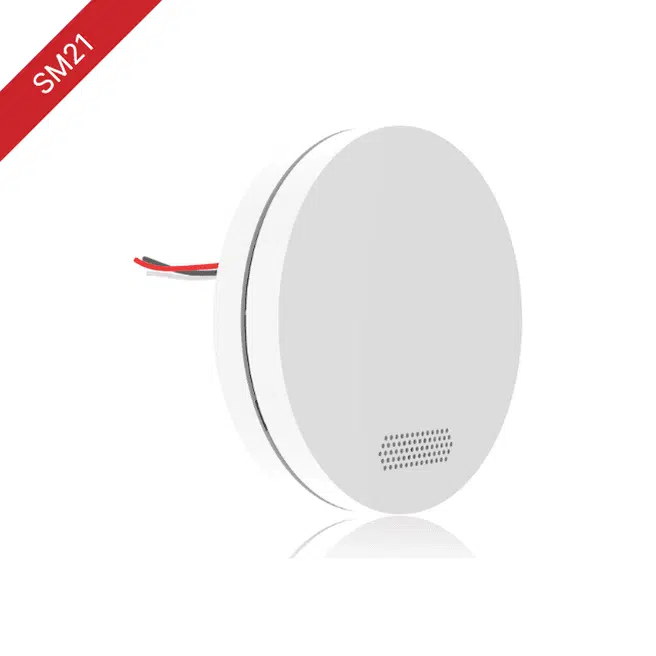
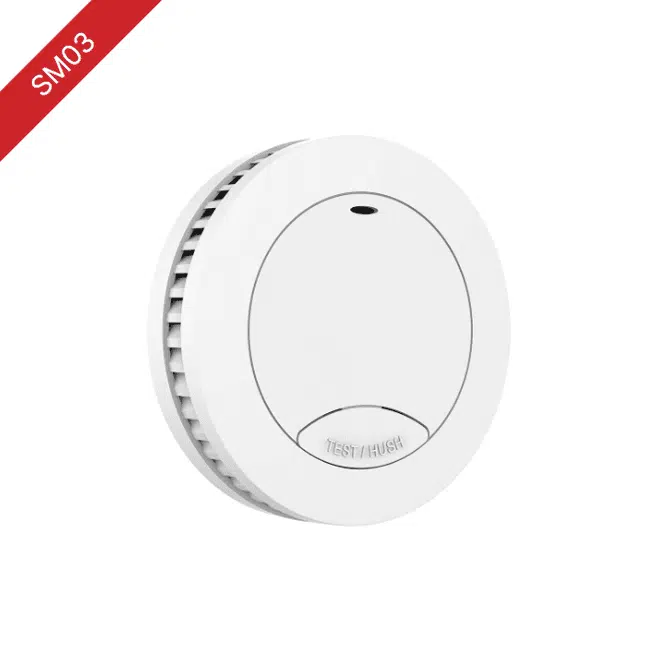
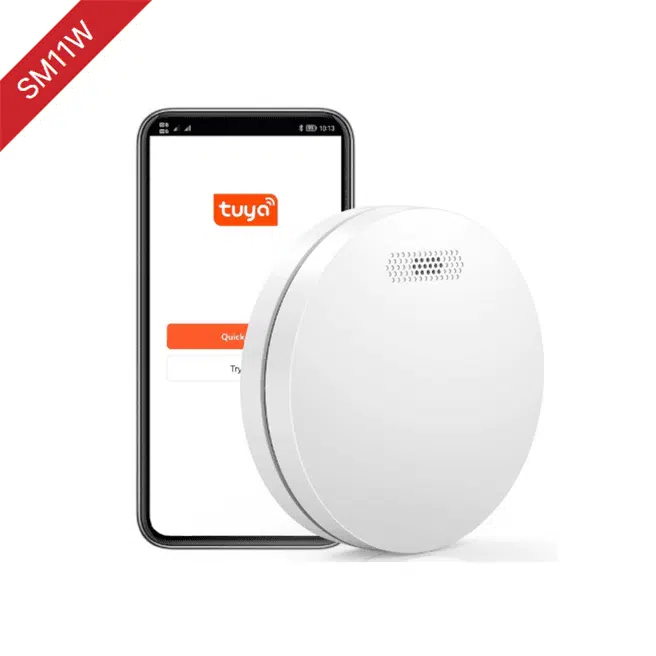
Photoelectric Single Smoke Detectors & Alarms
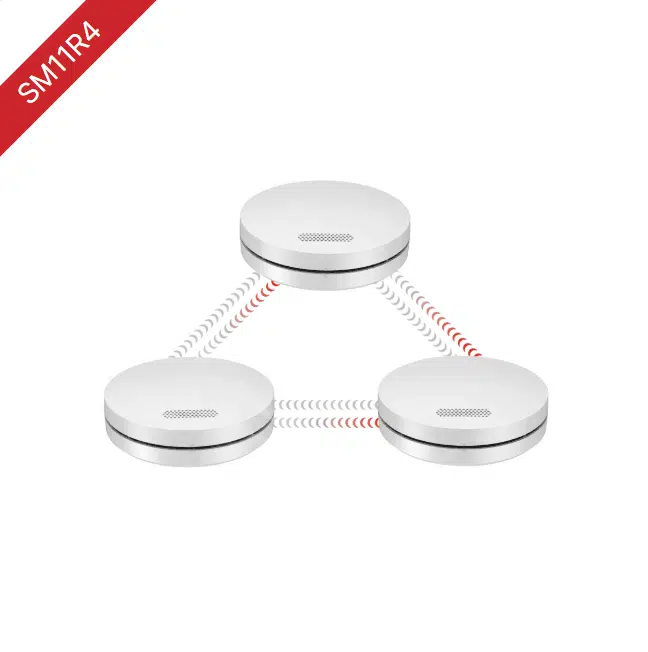
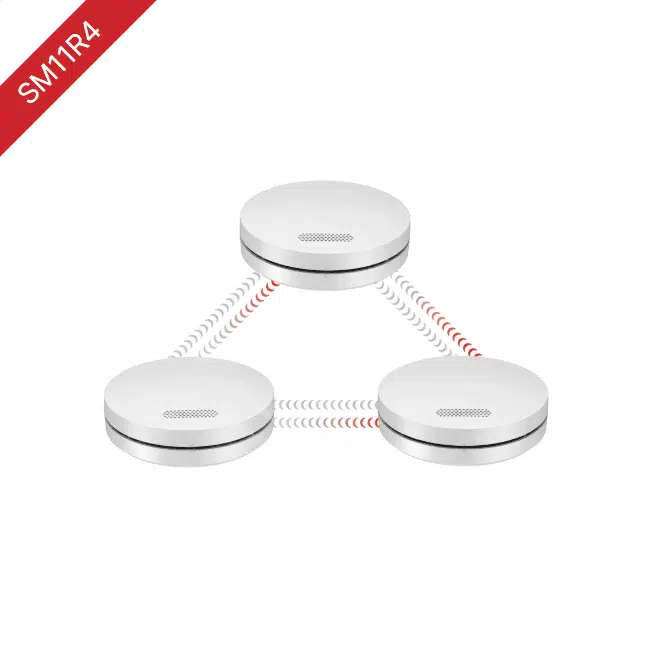
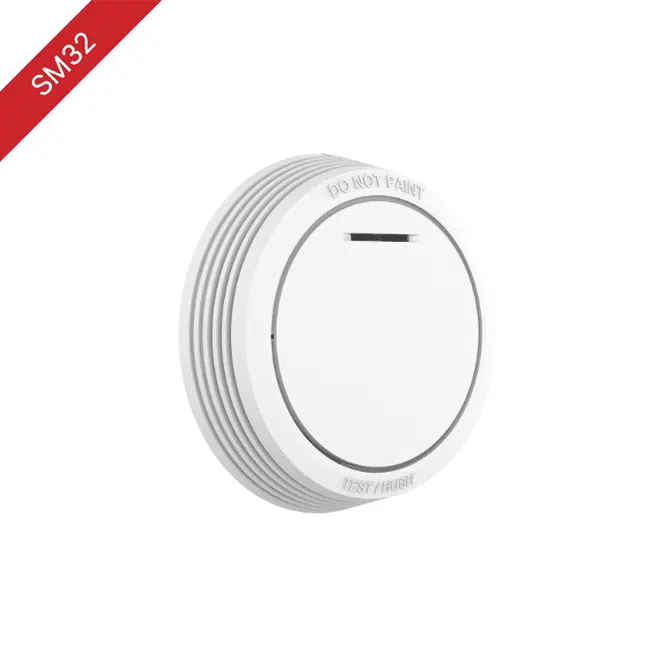
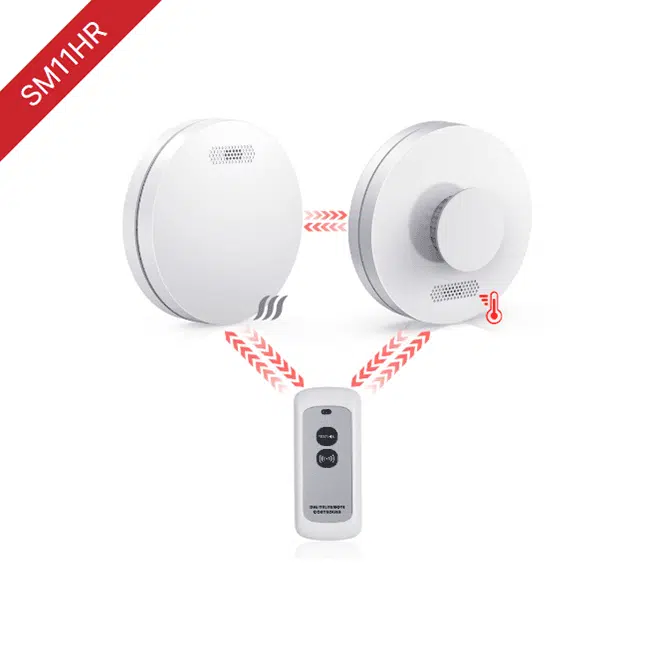
SM11R4 Wireless Interlinked Photoelectric Smoke Alarm
Lifetime: 3 or 10 years, cuztomziation avaliable
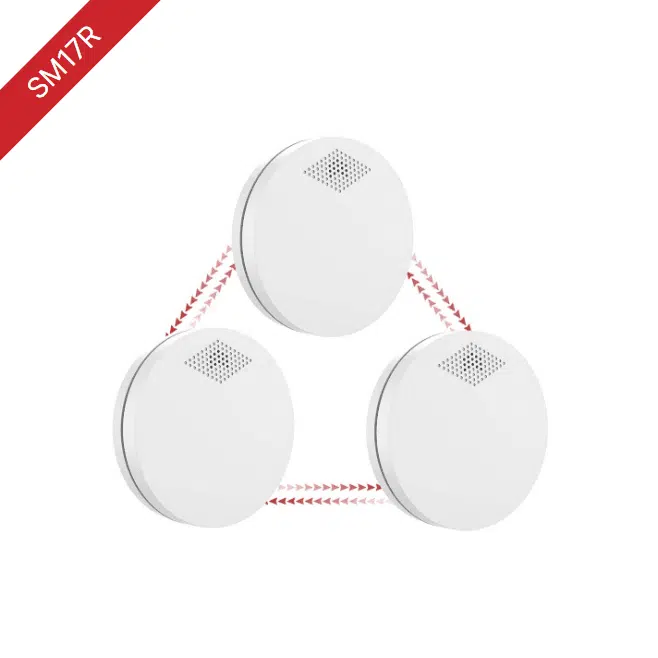
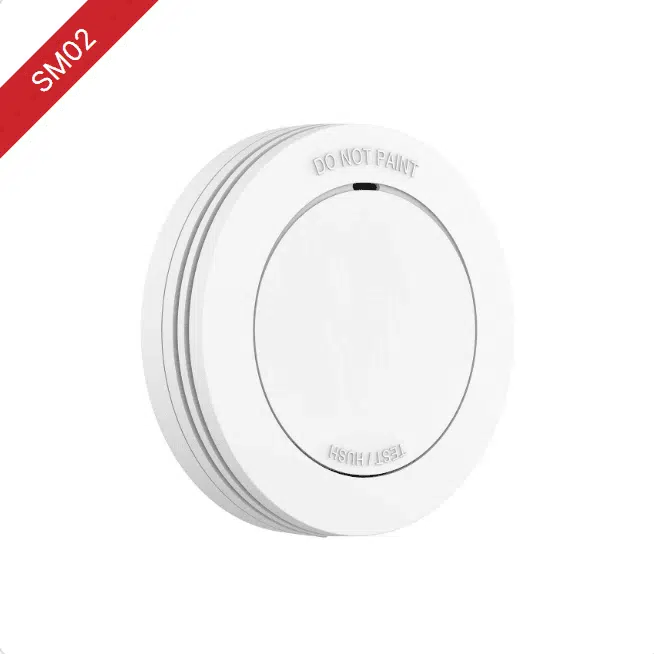
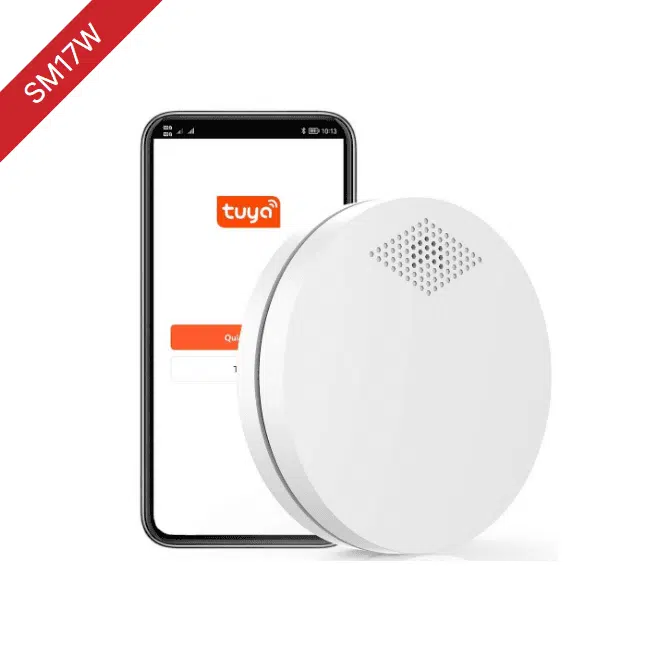
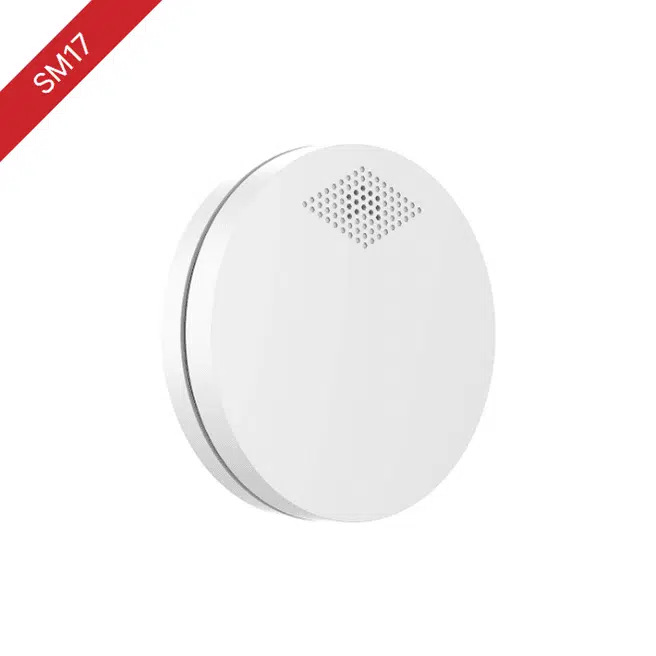
Photoelectric Smoke and CO Combined Alarms
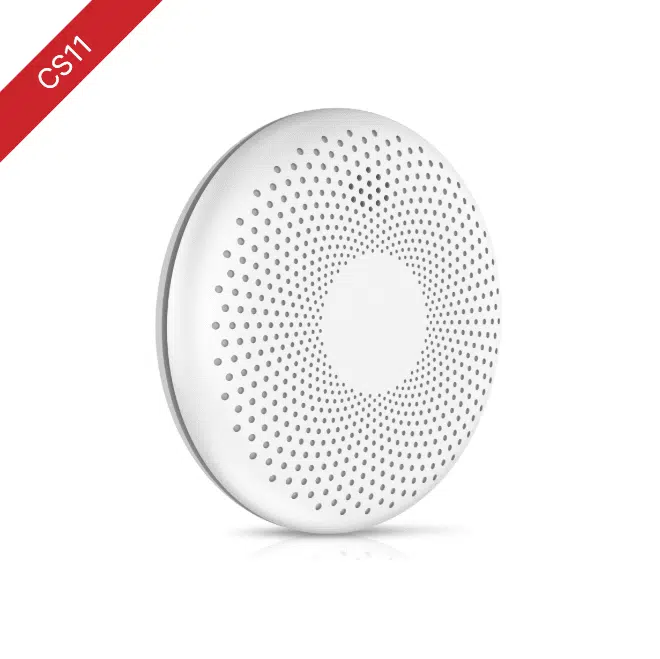
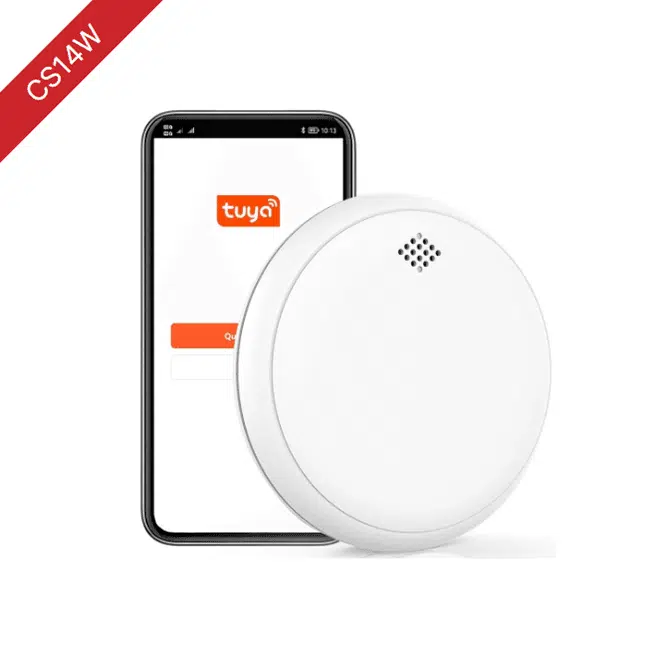
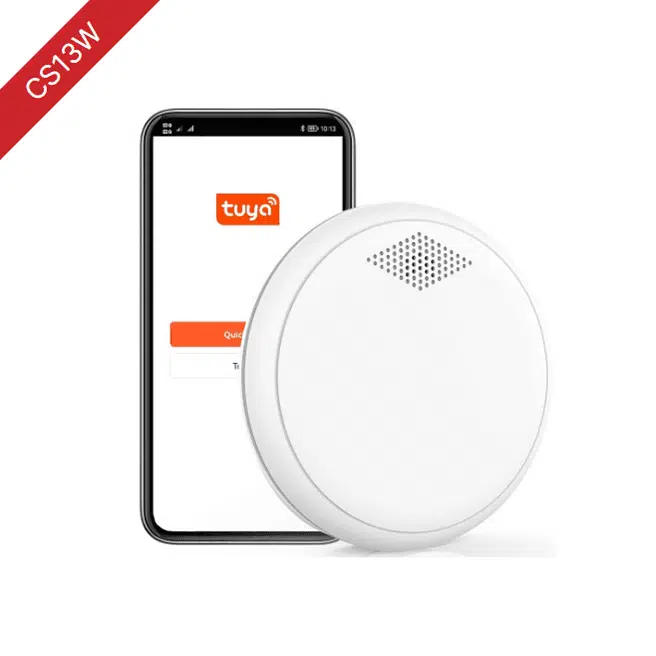
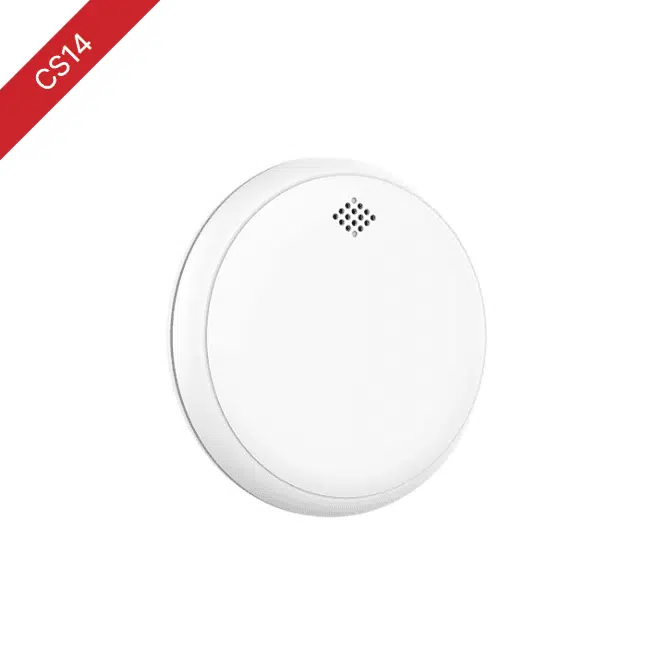
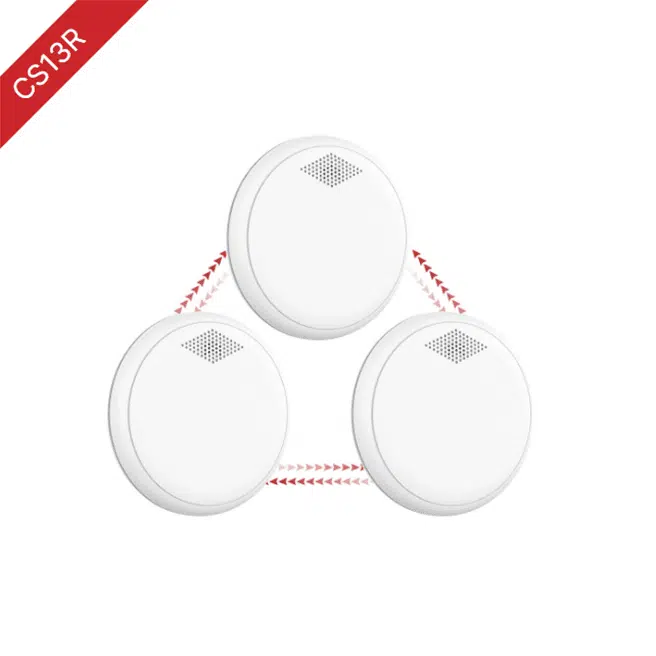

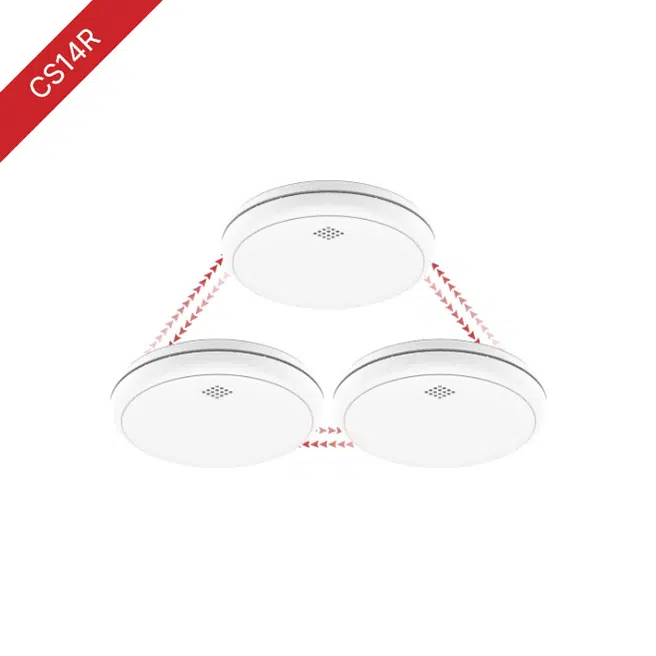
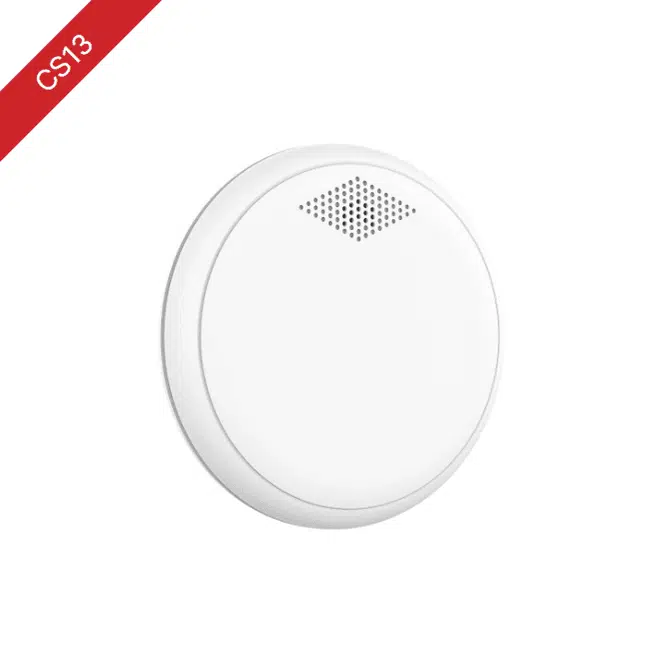
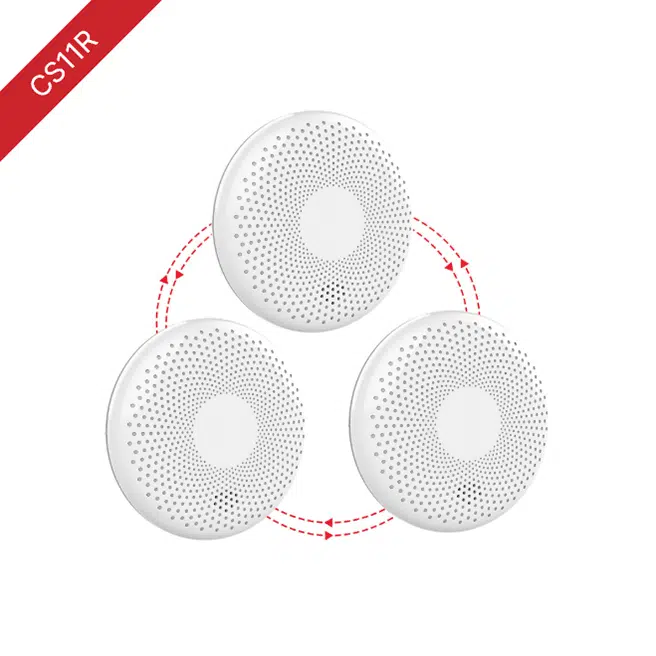
CFS® (Shenzhen Fire Security Technology Co., Ltd.), as a leading manufacturer specializing in fire safety alarms, we design and produce a comprehensive range of Smoke Alarms, CO Alarms, and Combo Alarms to protect homes and businesses worldwide.
🏭 OEM & ODM Services Available
We offer complete customization services including private labeling, custom packaging, and product modifications to meet your specific market requirements.
What are Photoelectric Smoke Alarms?
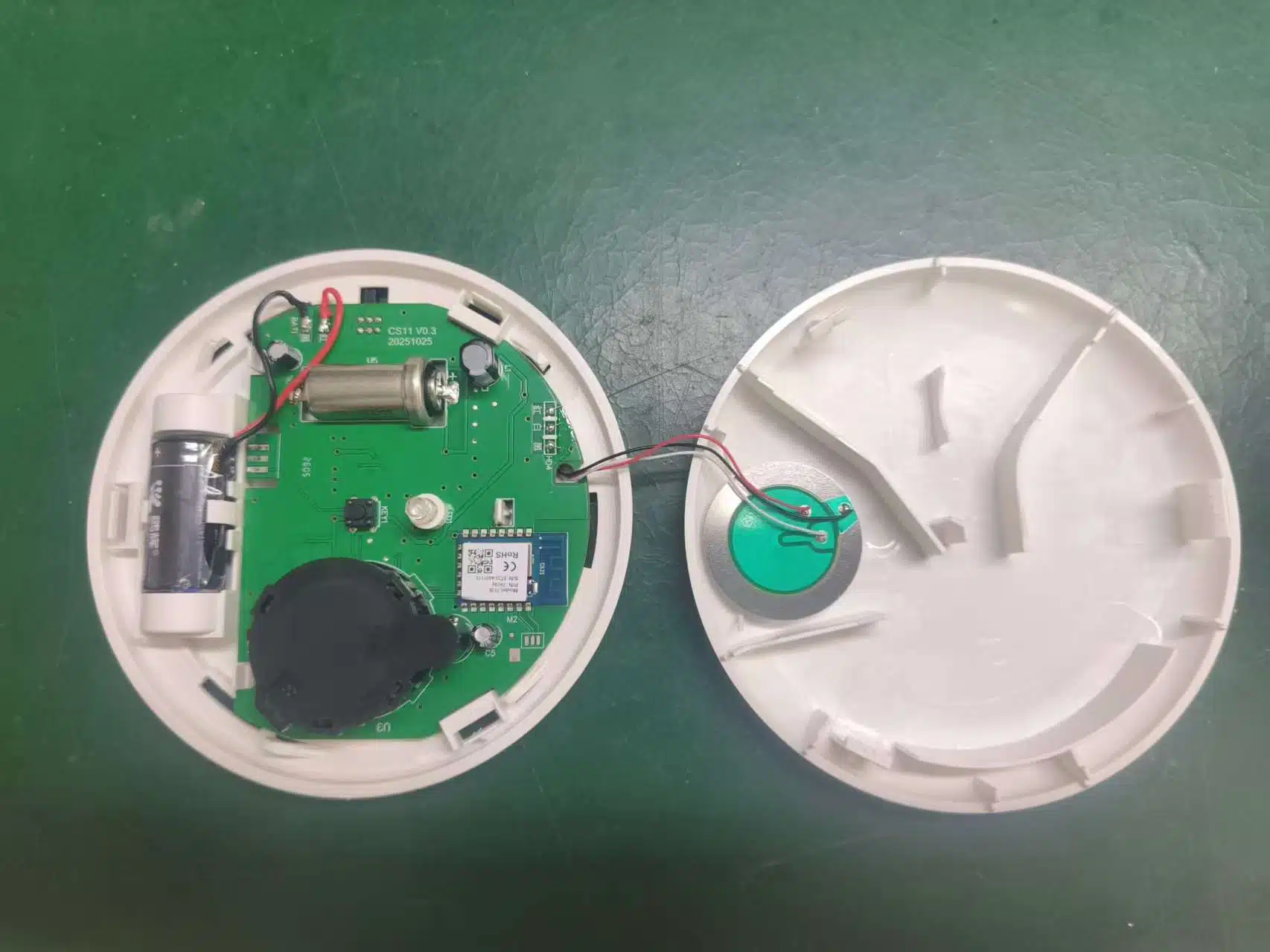
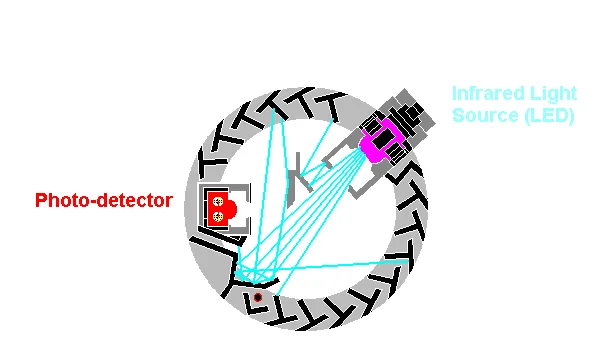
The Photoelectric smoke alarms use an infrared LED (IRED) and an infrared photosensitive LED in chamber. The IRED and photosensitive LED are offset at an angle. When the alarm is operating normally and the surrounding air is smoke-free, the IRED light cannot reach the photosensitive LED during smoke detection. When smoke enters the chamber, the smoke particles scatter the IRED’s light, and the photosensitive LED receives some light, then converted into an electrical signal. The photoelectric alarm amplifies this signal, triggering the alarm and emitting an audible alarm. It is sensitive to slow-spreading and smoldering fires (such as aging wiring or smoldering furniture), making it suitable for residential and public buildings.
There are so many advantages to your photoelectric smoke alarm choice.
CFS provides photoelectric smoke alarms with 3 years,7 years or 10 years battery lifespan configurations and custom your alarms.
Photoelectric Smoke Alarms How They Work?
The Photoelectric smoke alarms use an infrared LED (IRED) and an infrared photosensitive LED in the chamber. The photosensitive LED uses the photoelectric effect to convert light into electricity.
When no light shines on the photosensitive LED, the output current is almost zero. When a certain amount of IR LED light reaches the photosensitive LED, it generates a current output corresponding to the light exposure. This current signal is amplified and triggers the alarm circuit.
In the smoke chamber, the photosensitive LED is installed at a 120° angle to the IR LED. Since the smoke chamber is opaque and cannot reflect light internally, when there is no fire, the sampled air does not contain smoke particles, and the light emitted by the signal light cannot directly, reflectively, or refractively reach the photosensitive LED. Therefore, the current in the photosensitive LED is very small and cannot trigger the alarm circuit.
When a fire produces a large amount of smoke, the sampled air in the smoke chamber contains smoke particles. Because these particles reflect or scatter the light, the photosensitive LED is illuminated and outputs current. The magnitude of this current is directly proportional to the smoke concentration.
After being amplified by the amplifier circuit, it triggers the alarm circuit, notifying relevant personnel of the fire and instructing them to prepare for firefighting and evacuation.
It is sensitive to slow-spreading and smoldering fires (such as aging wiring, sofas, or smoldering furniture), making it suitable for residential and public buildings.
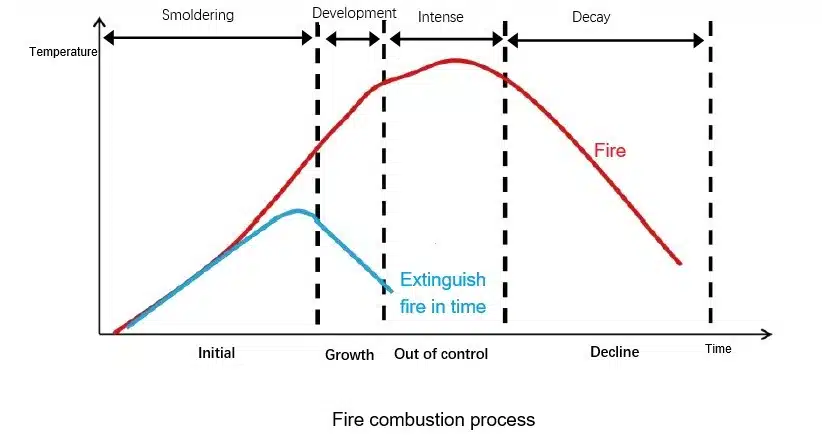
The fire experiences four stages from initial burning to intense burning and extinguishing: smoldering, development, intense, and decay.
Fire Stages | Main Characteristics | Suitable for Fire Alarms |
|---|---|---|
Smoldering Stage | Incomplete combustion producing large amounts of carbon monoxide and dense smoke | Carbon monoxide alarms and smoke alarms |
Development Stage | Rapid temperature rise and large amounts of smoke and heat radiation | Heat alarms, smoke alarms, and heat radiation alarms |
Intense Stage | Flames and high temperatures | High-temperature flame alarms and thermal imaging fire alarms |
Decay Stage | Combustible materials are largely consumed | Fire extinguishers |
CFS provides Full-Dimensional Customization Capabilities for your brands and projects,including physical specifications (size, shape, materials),brand identity and packaging, and Technical & Firmware customization.
What is Photoelectric Smoke Alarms QLD?
QLD is the short name of Queensland, Australia. Photoelectric smoke alarms are mandatory to be installed in QLD.
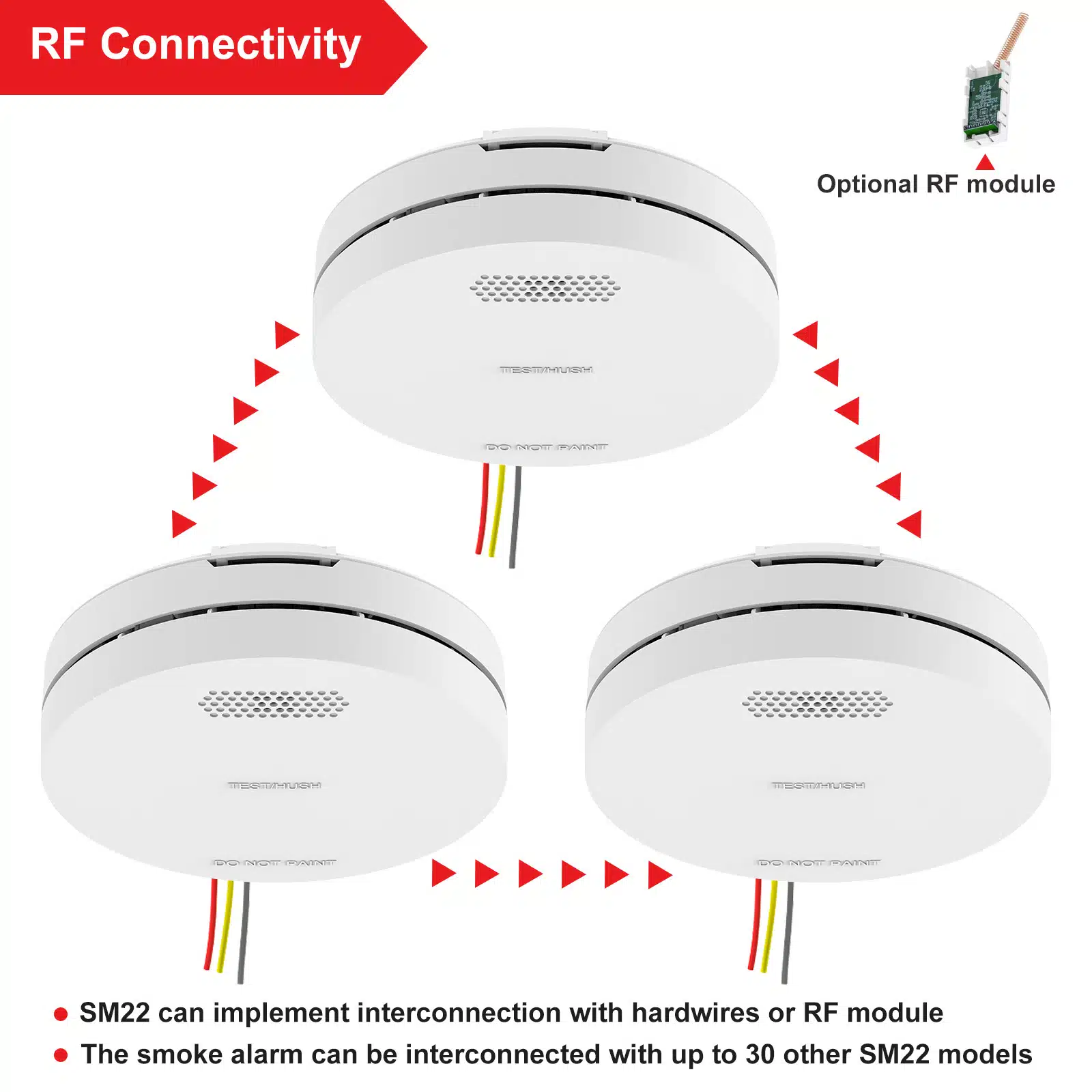
This is the regulation requirement in Queensland. Photoelectric smoke alarms must be interconnected and installed in every bedroom and hallway of residential homes.
We can provide alarms that meet AS3786, and custom service.
SM11R4 Wireless Interlinked Photoelectric Smoke Alarm
Lifetime: 3 or 10 years, cuztomziation avaliable
What is Photoelectric Smoke Alarms Brisbane?
It is mandatory to follow optoelectronic regulations in Brisbane, Queensland. Sales of battery-powered and wireless-connected alarms have grown over the past 10 years, and slim designs are also popular in Brisbane.
You can choose alarms with AS3786 compliance for your modern home and your engineering project, and we also provide custom service.
SM11R4 Wireless Interlinked Photoelectric Smoke Alarm
Lifetime: 3 or 10 years, cuztomziation avaliable
What is Photoelectric Smoke Alarms vs Ionization?
The ionization smoke alarm uses an alpha radiation source in the ionization chamber, which ionizes the air inside, generating an ionizing current at the plate electrodes. Smoking particles enter the ionization chamber on fire. The current within the ionization chamber decreases because the particles adsorb ions and hinder the ionization of alpha rays. The detector triggers the fire alarm with the changes in the ionizing current within the ionization chamber.
Items | Photoelectric Smoke Alarms | Ionization Smoke Alarms |
|---|---|---|
Smoldering fire | Faster | Slower |
Flame fire | Slow | Fast |
False alarms | Low | Higher |
Regulations | Popular | Phased out |
Security | Very safe | High Risk |
If you are choosing alarms for your modern home and your engineering project, photoelectric security and stability are your best options.
Why Photoelectric Smoke Alarms Keep Going Off?
When photoelectric smoke Alarm keeps going off no reason, it can be frustrating and even cause unnecessary worry. Possible causes of persistent alarms:
Possible causes of persistent alarms
Solutions
Simple tests and maintenance can reduce false alarms and help its long-term reliability.
What are Photoelectric Smoke Alarms 10 Year Battery?
The 10 Year Battery Smoke alarms are photoelectric smoke alarms with a built-in sealed lithium battery designed for a 10-year lifespan.
Advantages include
Applicable Markets
This product is particularly suitable for mandatory installation regulations in the UK or German or Australian markets, or other special requirements in Europe.
What is Photoelectric Smoke Alarms for Caravans?
As you know, the caravan space is not big and easily affect by steam ,and the power is using the batteries or the engine. You can choose the photoelectric smoke alarms with low false alarms and a separate powered battery for your caravans. You can choose our 10-year battery smoke alarm with slim profile design.
Why do Photoelectric Smoke Alarms False Alarms?
Based on our recent 10-year after-sales 8D analysis reports and customer feedback data, there are common causes of photoelectric smoke alarms false alarms for your reference.
No. | cause | Percentage | Typical scenarios | Solution |
|---|---|---|---|---|
1 | Dust accumulation (most common) Dust particles enter the chamber and refract light, then reaching a critical concentration triggers an alarm | 36% | • Not cleaned for a long time • Not cleaned after renovation • Construction site • Near air conditioner vent | • Clean with a soft cloth annually. • Clean with a vacuum cleaner every six months. • Use an insect and dust filter. • Install away from air vents. |
2 | Kitchen fumes Fine oil mist particles enter the chamber and refract light, then reaching a critical concentration triggers an alarm | 24% | • Fine oil mist particles produced by stir-frying • Fine oil mist particles produced by high-temperature oven baking • Fine oil mist particles produced by deep-frying | • Install at least 3 meters away from the kitchen • Use a heat alarm instead of a photoelectric smoke detector in the kitchen |
3 | High Humidity Steam Steam particles enter the chamber and refract light, then reaching a critical concentration triggers an alarm | 11% | Close to bathroom | • Avoid installing near the bathroom entrance • Use the CO alarm or heat alarm instead |
4 | Insects enter the chamber Refract light, then reaching a critical concentration triggers an alarm | 10% | • Summer Install in the outdoor | • Install insect netting •Stay away from areas with lots of insects |
5 | Low battery When the battery voltage is lower than the set voltage, the MCU misjudges the signals and then triggers the alarm. | 7% | Not replacing the batteries in long time | Replacing the batteries right now |
6 | Chamber sensor aging IRLED lighting decreasesPhoto LED sensitivity drifts | 6% | Use about 9-10 years | Replace the alarm |
7 | I/O Signal Interference Or I/O circuit malfunction or interference from other signals | 4% | Loop test system | •Replace the alarm •check other alarm whether or not alert |
8 | Voltage abnormal | 2% | The temperature drops at night, leading to the battery’s internal resistance going up. The alarm goes to low battery level and triggers a false alarm. The temperature rises during the day, the battery voltage returns to normal, and the alarm functions normally. | Replace the alarm |
Why Choose CFS as Your ODM/OEM Manufacturer?
We can provide private-label OEM versions for channel brand owners.
Get a quote now
If you are looking for:
Contact us for:
CFS not only manufactures products but also builds long-term safety competitiveness for your brand.
More Solutions to Explore


Insights & Updates
What Is a Carbon Monoxide and Combustible Gas Combination Alarm & How Does It Work? OEM Engineering Guide
For OEM purchasing personnel, “Combination Alarm” is a term that can easily lead to misinterpretations of specifications. Customer inquiries often…What Is a Wi-Fi Carbon Monoxide Alarm & How Does It Work? Complete Guide for OEM Buyers and Property Projects
For the average user, the most easily understood function of a Wi-Fi carbon monoxide alarm is: “After a CO alarm…What Is a Voice Smoke and CO Alarm & How Does It Work?
—–Voice Alerts, Fire vs CO Identification, Room Location, Multi-Language Firmware & OEM Engineering Guide Quick Answer — What Is a…What Is a Fire Alarm Control Panel & How Does It Work?
—–Complete Guide for System Integrators, Project Buyers and OEM Partners Quick Answer A Fire Alarm Control Panel (FACP) is the…