
Quality Control
CFS’s quality policy, “Customer First, Zero Defects,” promises a production pass rate of
99.8% and a product rework rate of less than 0.2%.
99.8%
Production Pass Rate
<0.2%
Rework Rate
99%
Customer Satisfaction
100%
Traceability
Global Certifications & Standards
Our quality control system meets international safety standards and certifications
ISO 9001
Quality Management
UL Standards
2034 / 2075 / 217
European CE
EN 50291 / EN 14604
UKCA Marked
BSI Certified
Quality Control System
A comprehensive system spanning from incoming material control to outgoing quality assurance
Incoming Quality Control
IQC ensures all raw materials and key components meet specifications before production.
In-Process Quality Control
IPQC monitors the entire production process to ensure consistency and stability.
Outgoing Quality Assurance
OQA conducts final inspections to prevent non-conforming products from leaving.
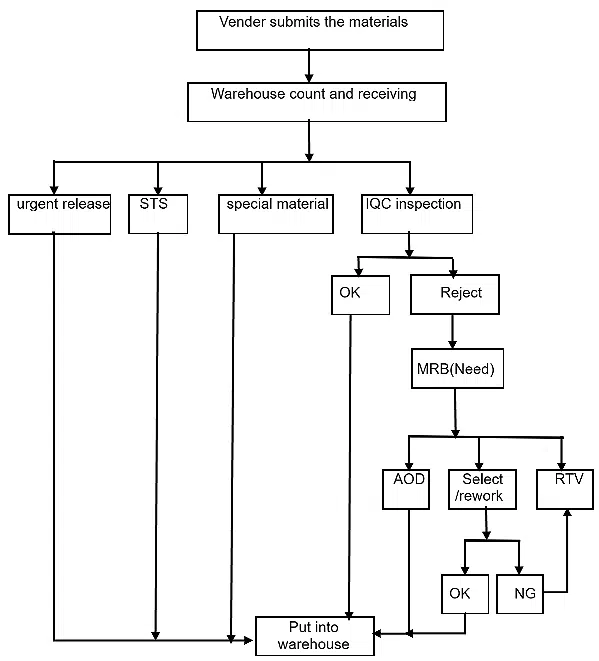
Incoming Inspection
All raw materials and key components are inspected according to PPAP, product specifications, or drawings
Vendor Verification
SQA checks if vendor is in AVL (Approved Vendor List)
Inspection & Sampling
Materials are inspected according to AQL standards
Non-Conformance Handling
8D analysis and MRB review for defective materials
Release & Documentation
Quality Manager approval and documentation
Key Control Points
Quality Manager approval and documentation
Note: Materials lacking PPAP or COC must be placed on “Hold” status until all quality and compliance documentation is complete.

Process Inspection Procedure
IPQC workflow ensuring product consistency through standardized documentation and multi-level inspection
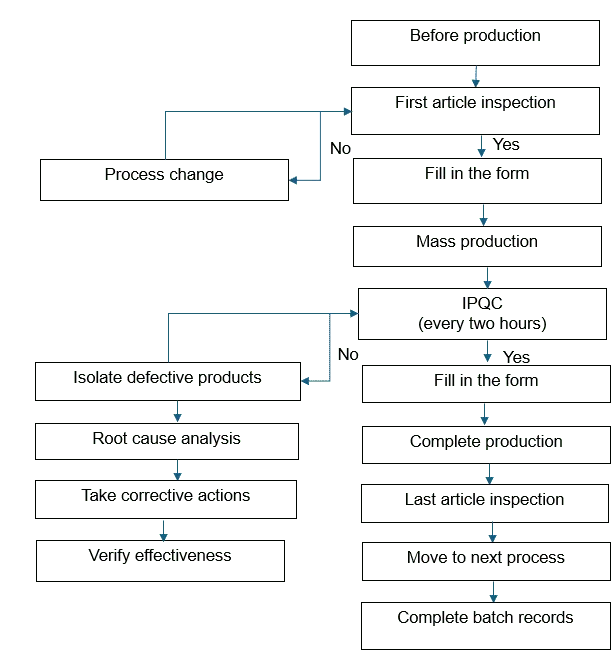
Production Process Flow
Incoming Quality Control
Technical documents, equipment status, and personnel training must be completed and confirmed. Key processes identified with control plans.
First-Piece Inspection
Production line operator conducts first-piece inspection before mass production begins.
In-Process Control
Operators perform self-inspection and mutual inspection. PQA conducts patrol inspections following the process.
Anomaly Handling & SPC
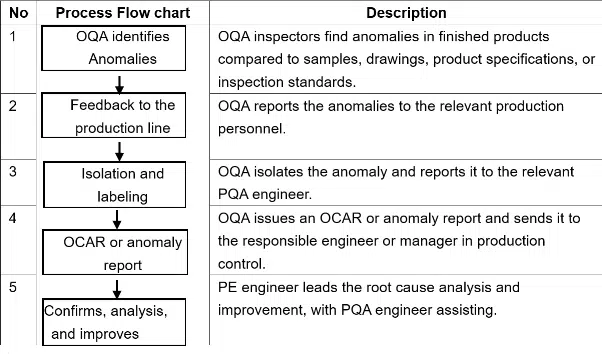
Any abnormalities are reported immediately. Defective products are isolated, labeled, and managed for repair. Statistical quality control applied.
10% sampling with daily verification of production environment indicators (temperature, humidity, pressure).
Immediate adjustment for any deviation to ensure stable production environment.
Quality performance improved through data statistics and key issues analysis.
Outgoing Inspection Procedure
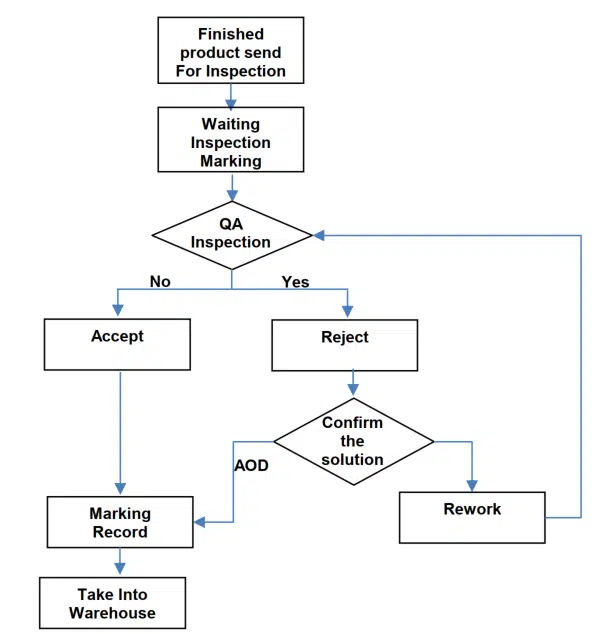
Ensuring finished products meet customer and regulatory requirements before delivery
BOM Verification
Check against Bill of Materials and engineering changes
Appearance Check
Visual inspection for cosmetic defects
Structure Test
Verify assembly and dimensional accuracy
Function Test
Validate all functional requirements
Packaging Check
Ensure proper packaging and labeling
Documentation
Complete traceability records
AQL Sampling
Statistical sampling based on Acceptable Quality Level
Release Approval
Final quality approval for shipment
Non-Conforming Batch Handling
For non-conforming batches, relevant departments implement defect control, root cause analysis, and corrective actions. This ensures only quality products reach our customers.
Reliability Testing
Reliability testing includes mechanical, electrical, and functional tests at the EP, PP, and MP stages, ensuring product stability and consistency
in real-world usage scenarios.This testing system is geared towards a 99% reliability target, effectively reducing the risk of
batch failures and enhancing product market adaptability and customer trust.
The list of reliability tests for the MP stage is as follows ⬇️
NO. | Test items | QTY | Apply to the model | Reference standard | Avoid Risk |
|---|---|---|---|---|---|
1 | LTC sensitivity test | 32 | PE, Photo Combo unit | UL217 42/UL268 31 EN14604 5.2/5.4 AS3786 5.3 | Avoid the whole batch to false alarm or miss alarm |
2 | Heat sensitivity test | 32 | Heat Function Unit | UL521 19 UL539 14 | Avoid the whole batch no alarm in high temperature environment |
3 | CO sensitivity test | 32 | unit with CO function | UL2034 41 EN50291 6.3.4 | Avoid the whole batch no alarm or delaying alert at over CO concentration |
4 | Light output test | 32 | strobe light unit | UL1971 27 | Avoid the whole batch insufficient visual alarms |
5 | Rate-of-Rise Operation Test | 32 | Heat Function Unit | UL521 23 | Avoid the whole batch to miss detecting for the rapid temperature rise |
6 | Sensitivity Test Feature | 5 | ION, PE, ION/PE Combo unit | UL217 42.7 UL2034 43 | False alarm or Missing alarm |
7 | Audibility test | 32 | All units with sound output | UL217 84/UL268 70 UL2034 65/UL539 23 EN14604 5.17 EN50291 6.3.16 AS3786 5.19 | Avoid the whole batch lower 85dB at 3 meters |
8 | Alarm current (la). Standby current (Is) test | 32 | All units | CFS | Avoid the whole batch batteries lower lifespan |
9 | Static discharge test | 5 | All units | UL217 68/ UL2034 59 UL268 56 EN14604 5.14 AS3786 5 15b | Static electricity damages the chips |
10 | Low voltage (Battery) test | 32 | All units with battery | UL217 56.2 /UL268 45.2 UL2034 39.2 EN14604 5.16 EN50291 6.3.17 AS3786 5.17 | Avoid the whole batch no alarm at the low batteries’ voltage |
11 | Abnormal operation test | 32 | All units | CFS | Avoid the whole batch software abnormal |
 smoke detector and CO detector OEM CFS smoke test box
 CFS EN54 Tunnel boxes
 CFS CO sensitivity box
 CFS Electronic electrical test -ESD tester
 CFS smoke alarms functional test-EN54 Tunnel boxes
 CFS Alarm Battery capacity test
 CFS alarms Audibility test box
 CFS alarms reliability test fixture
 CFS 10K alarms reliability test fixture

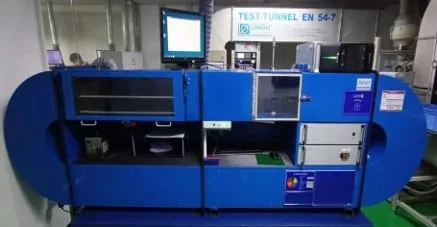


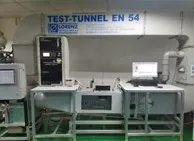
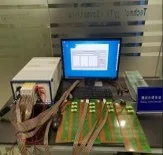
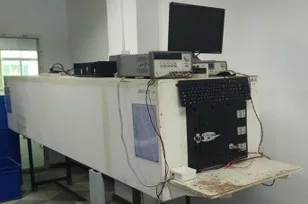
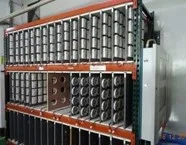
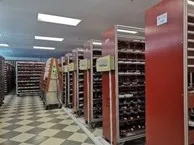
Effectively reducing the risk of batch failures and enhancing product market adaptability.
All tests adhere to UL217, EN14604, and UL2034 standards.
Testing at EP, PP, and MP stages ensures consistent quality throughout product lifecycle.
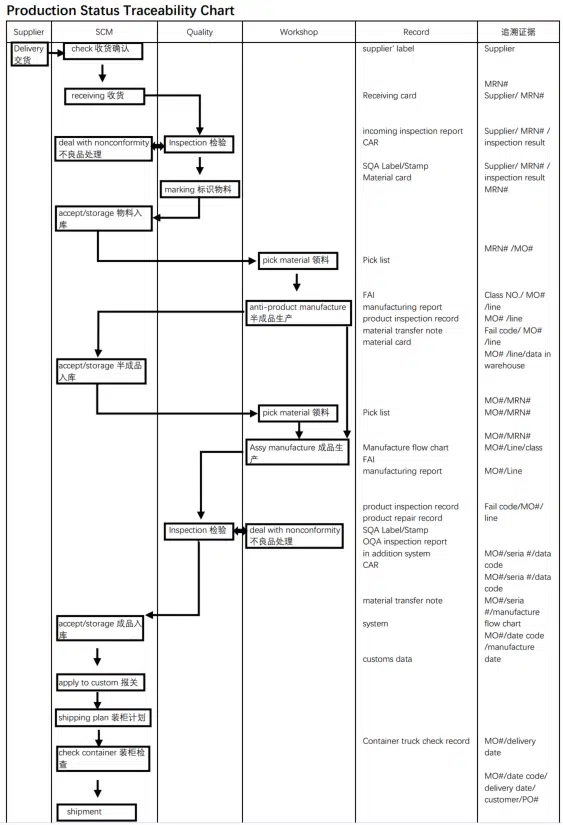
Traceability
Clear identification, complete data, and traceable processes covering the entire supply chain
Three Core Principles
Clear Identification
Unique identification through MRN, MO, P/N, serial number, and batch number
Complete Data
Inspection reports, production records, and transfer documents at each stage
Traceable Processes
Quick traceability to supplier, batch, and production line for anomalies
Process Coverage
Incoming Materials
SQA stage with MRN and inspection reports
Production
Work-in-process tracking with MO and batch numbers
Shipment
Final goods with complete traceability records
Note: All shipment products, finished goods, and semi-goods can be traced according to product name, P/N, D/C, PO, MO, and Lot No.
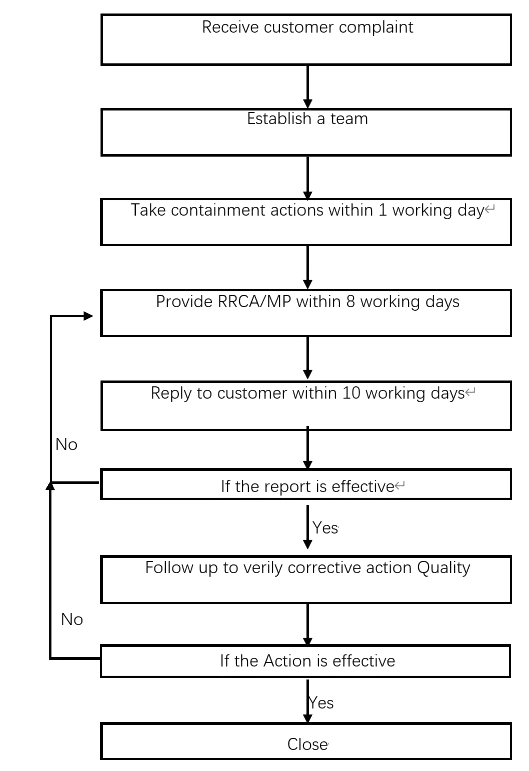
Customer Complaint Procedure
Comprehensive handling of customer quality issues with rapid response and 8D reporting
Immediate
Information Collection
Collect model, batch, quantity, and failure phenomenon
Within 1 business day
Temporary Measures
Implement measures to prevent problem escalation
Ongoing
Root Cause Analysis
Conduct RRCA to identify underlying causes
Within 10 business days
8D Report Submission
Complete 8D report with corrective actions
Customer satisfaction reached 99% over the past year, with no major complaints.
Applies to customer quality issue handling, recalls, field recall analysis, and COPQS collection.
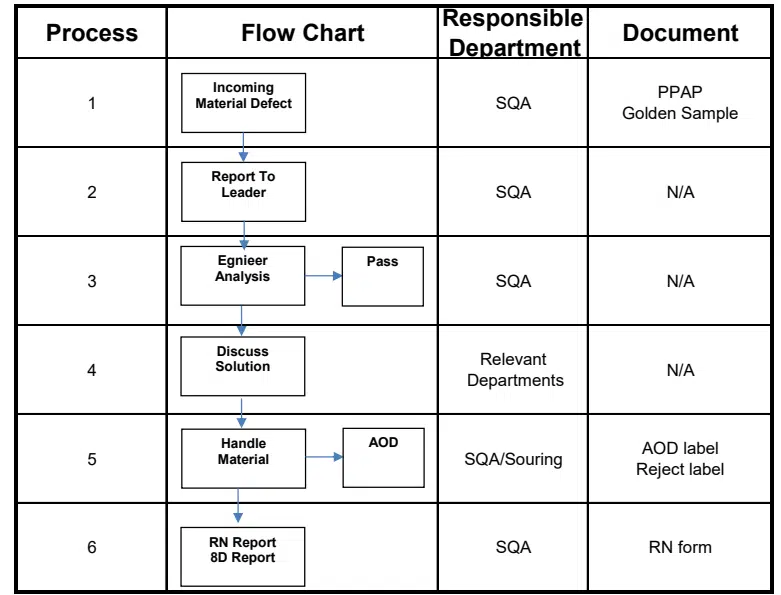
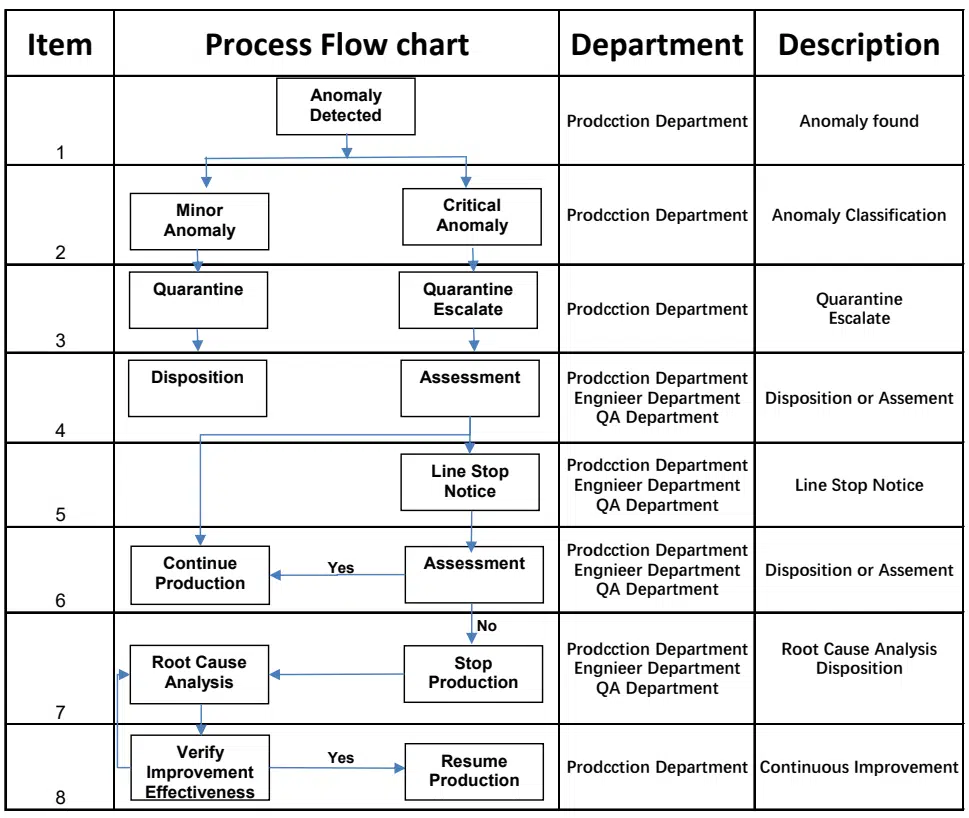
Defective Products Control
Proper identification, isolation, and disposal of non-conforming products
Incoming Nonconformity
Production Nonconformity
Outgoing Nonconformity
Continuous Improvement
All defective products from the production line are recorded, and the quality and production departments analyze the causes, generate monthly reports, and issue corrective measures to continuously reduce the defect rate.
PDCA Cycle
Root Cause Analysis
Monthly Reports
Closed-Loop Management
Committed to Zero Defects
Our quality control system aims to prevent defective products from leaving the market, improve product stability,
and ensure product reliability in long-term operation.