CARBON MONOXIDE SAFETY
EN 50291 Carbon Monoxide Alarms | Standalone, Wi-Fi & RF Interlinked CO Detectors for Europe
Our EN 50291 carbon monoxide alarms are engineered for reliable residential CO detection across European markets. The portfolio includes standalone, Wi-Fi connected, and RF interlinked carbon monoxide detectors designed with electrochemical sensing technology, certified safety performance, and manufacturing support for OEM, private label, and European distribution projects.

CE EN50291 For CO alarm
EN 50291 Standalone & Wireless CO Product Info
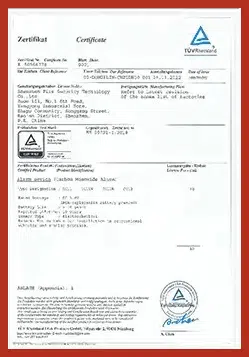
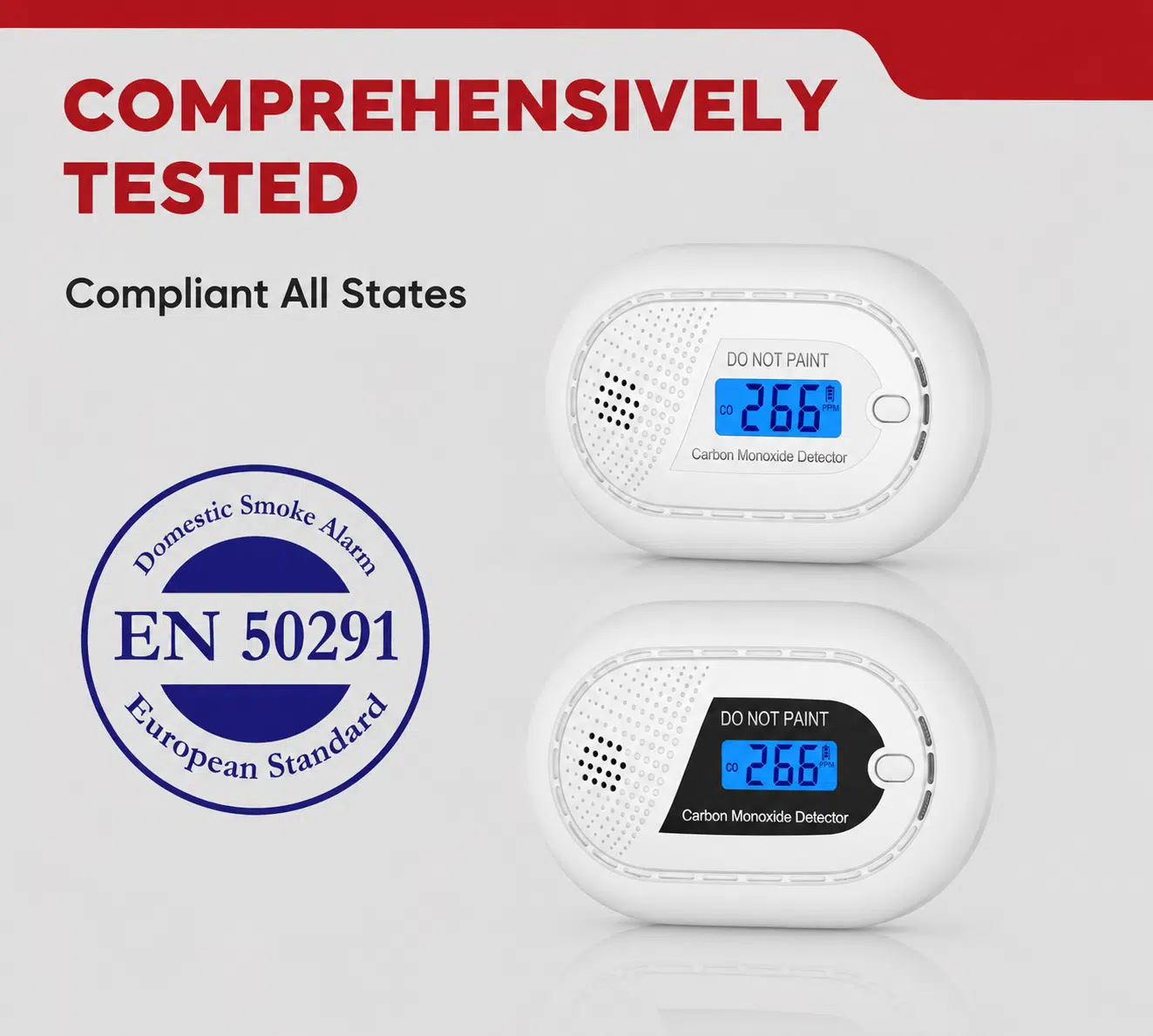
Our EN 50291 carbon monoxide alarms, approved by TÜV and SGS, are developed for residential and domestic applications across European markets. The range covers standalone alarms, Wi-Fi-enabled models, and RF interlinked systems, offering practical options for different installation and project requirements.
The C011 series uses sealed lithium batteries and long-life display-based designs, supporting 10-year carbon monoxide alarm applications with standalone, Tuya Wi-Fi, and RF 433MHz versions available for smart and whole-home protection systems. The C003 series adopts replaceable AA batteries and provides an economical choice for residential use, with wireless interconnection options available. Compact C007 and C008 models feature replaceable battery power and are suited to basic carbon monoxide protection in homes and apartments.
The product range is structured around different installation and connectivity requirements, including sealed-battery long-life alarms, replaceable-battery economical models, smart Wi-Fi connected detectors, and RF interlinked systems for whole-home protection.
Image | Type | Model | Display | Connectivity | Power Supply | Key Features | Certification | |
|---|---|---|---|---|---|---|---|---|
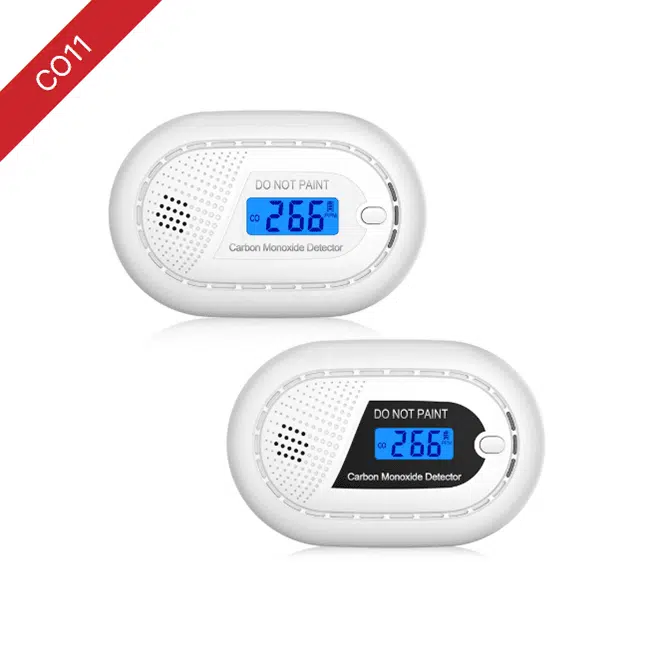
| Standalone | Yes | Independent | DC3V Sealed Lithium Battery | Standalone, display, DC3V, sealed lithium battery | EN 50291, TÜV Certified | ||
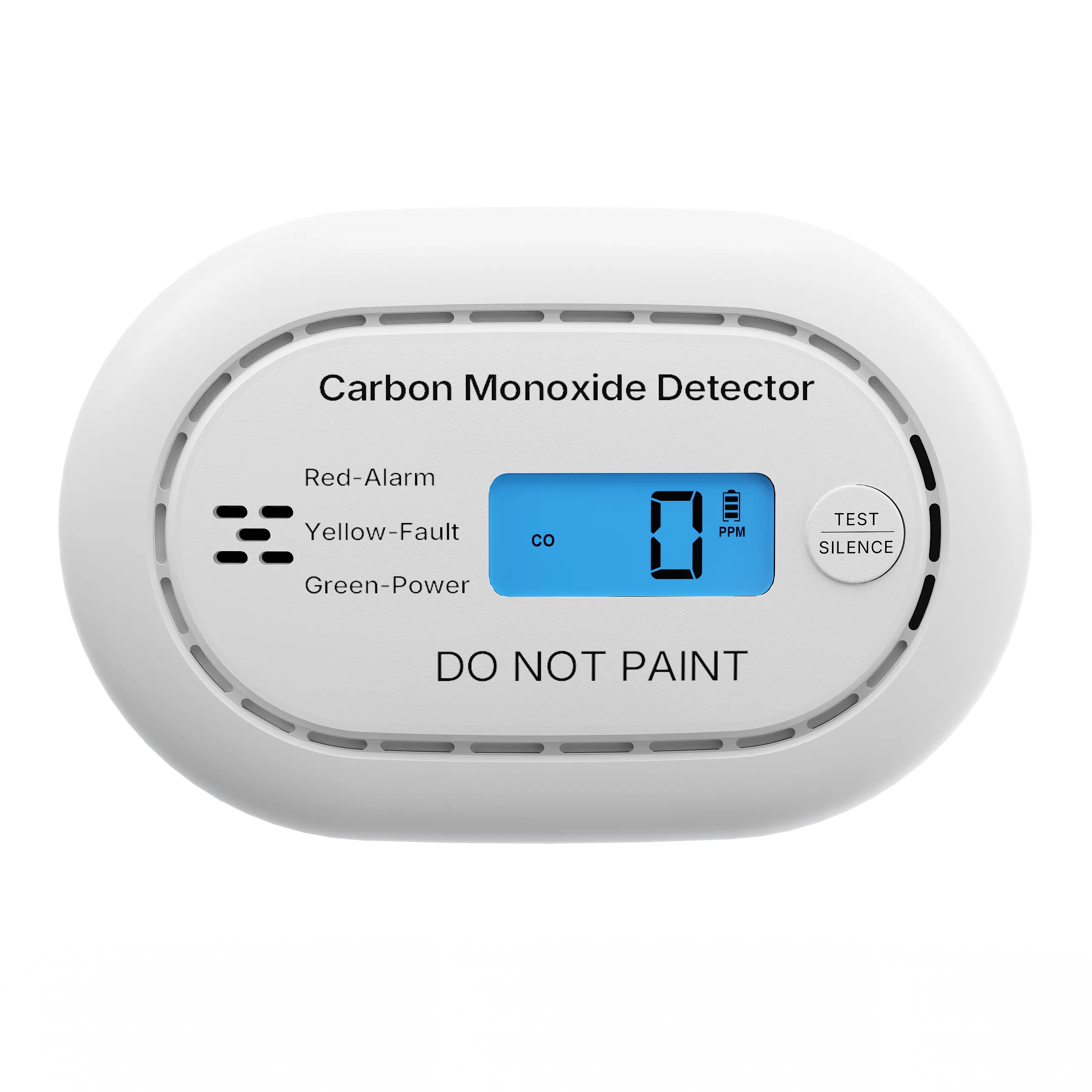
| Standalone | Yes | Independent | DC3V Sealed Lithium Battery | Standalone, display, DC3V | EN 50291, TÜV Certified | ||
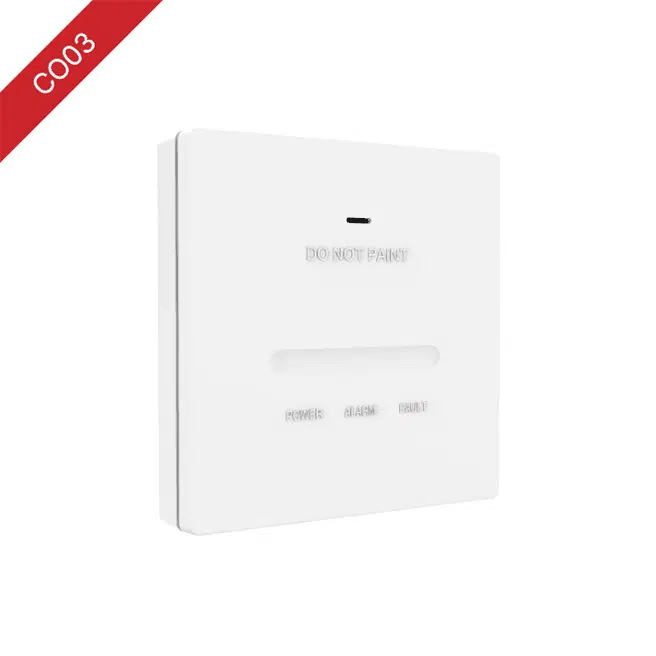
| Standalone | No | Independent | DC3V Replaceable AA Battery | Standalone, no display, replaceable battery | EN 50291, TÜV Certified | ||
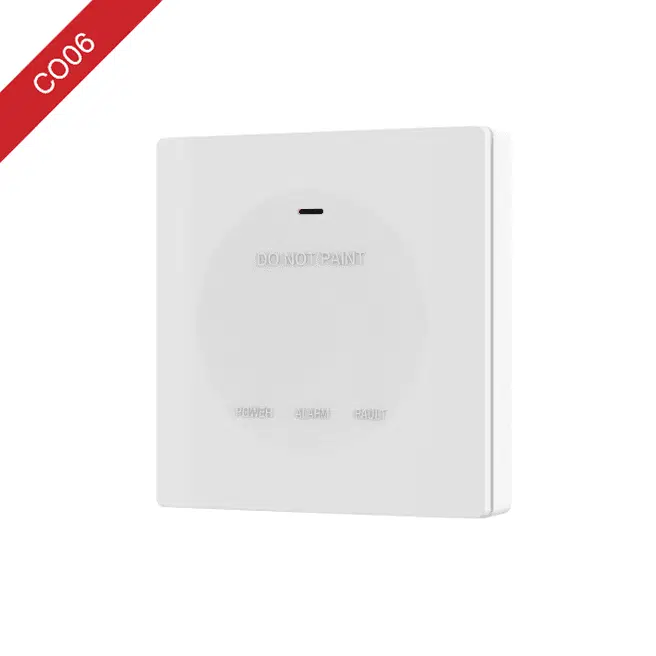
| Standalone | No | Independent | DC3V Replaceable AA Battery | Standalone, no display, replaceable battery | EN 50291, TÜV Certified | ||
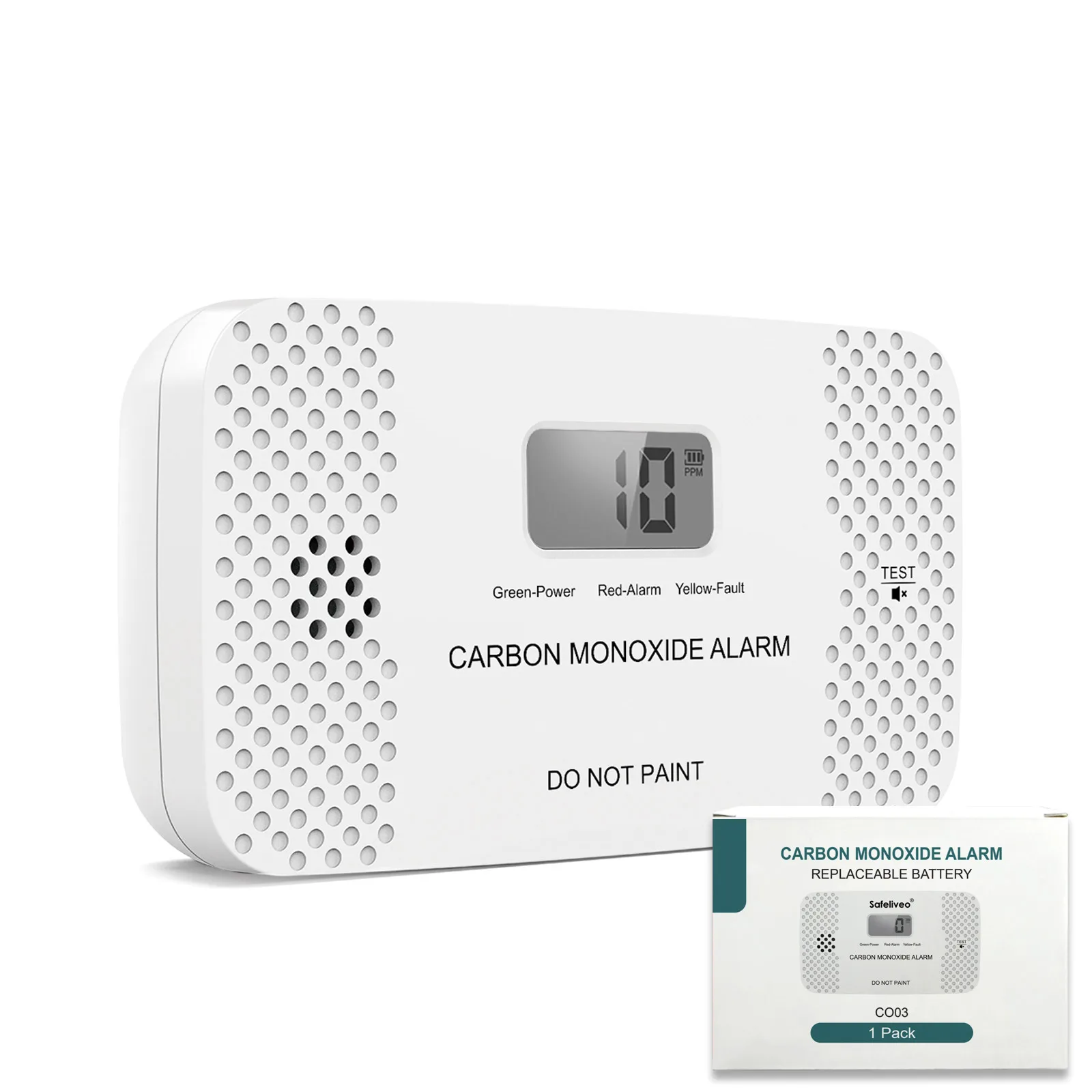
| Standalone | No | Independent | DC3V Replaceable AA Battery | Standalone, DC3V, AA replaceable battery | EN 50291, SGS Certified | ||
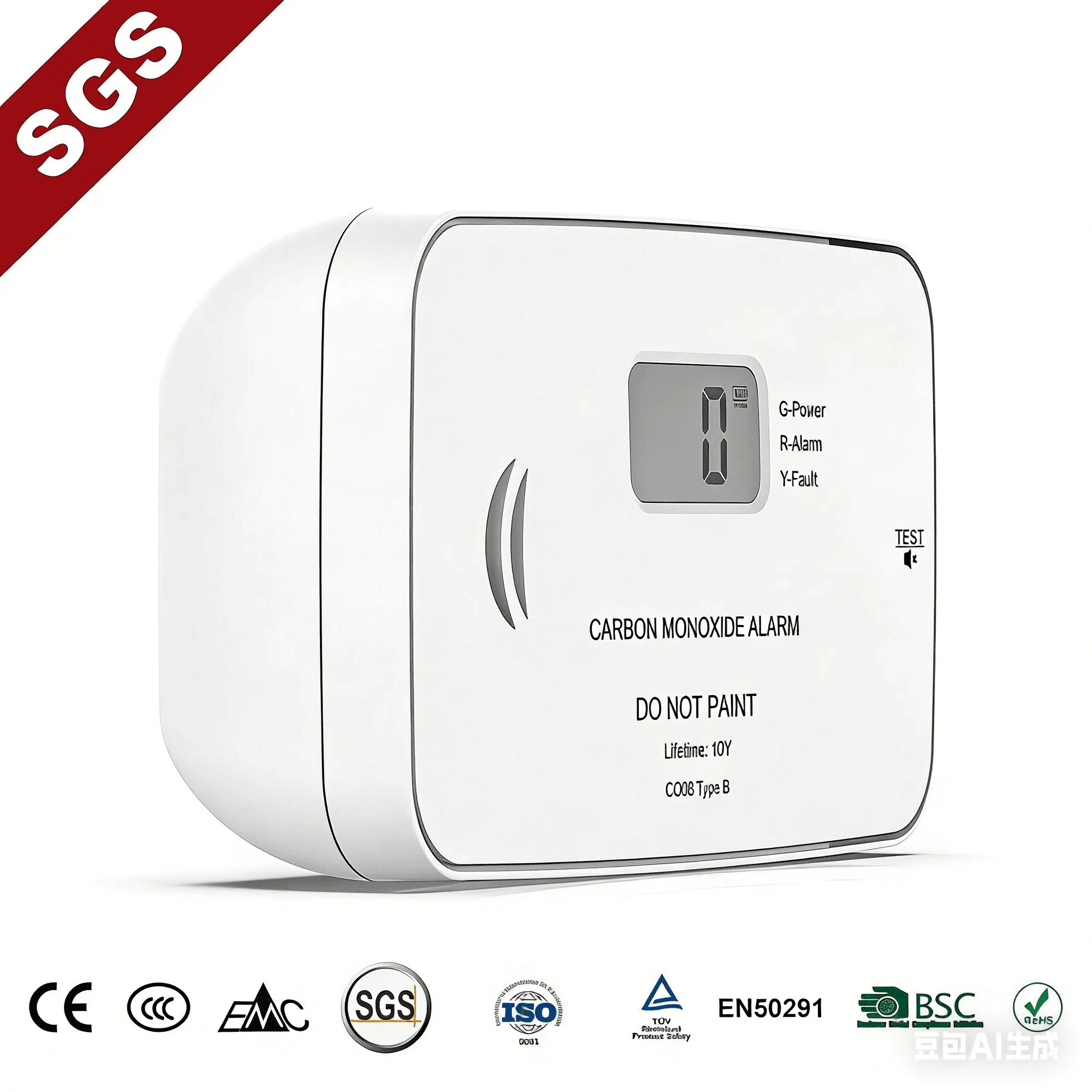
| Standalone | No | Independent | DC3V Replaceable AA Battery | Standalone, DC3V, AA replaceable battery | EN 50291, SGS Certified | ||
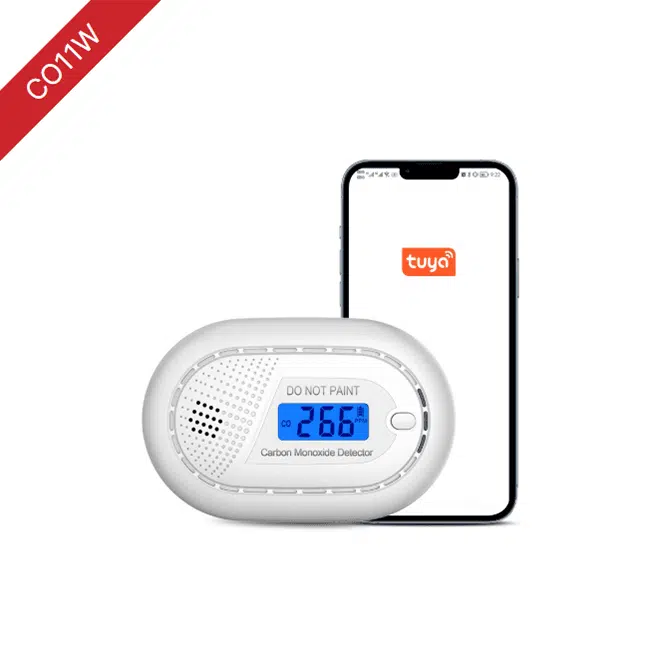
| Wi-Fi Alarm | Yes | Tuya Wi-Fi | DC3V Sealed Lithium Battery | Tuya Wi-Fi, display, smart APP | EN 50291, TÜV Certified | ||
Wi-Fi Alarm | CO12W | Yes | Tuya Wi-Fi | DC3V Sealed Lithium Battery | Tuya Wi-Fi, display | EN 50291, TÜV Certified | ||
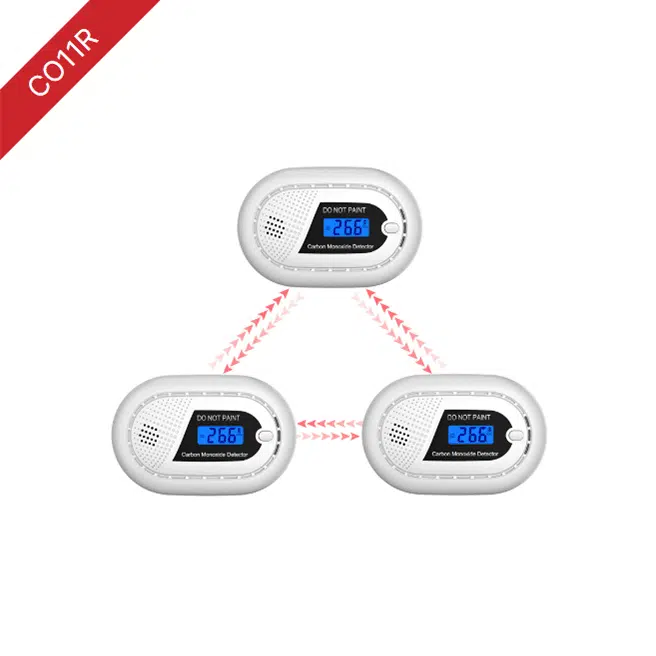
| Wireless Interlinked | Yes | RF 433MHz | DC3V Sealed Lithium Battery | RF interlinked, display, 433MHz | EN 50291, TÜV Certified | ||
Wireless Interlinked | CO12R | Yes | RF 433MHz | DC3V Sealed Lithium Battery | RF interlinked, display, 433MHz | EN 50291, TÜV Certified | ||
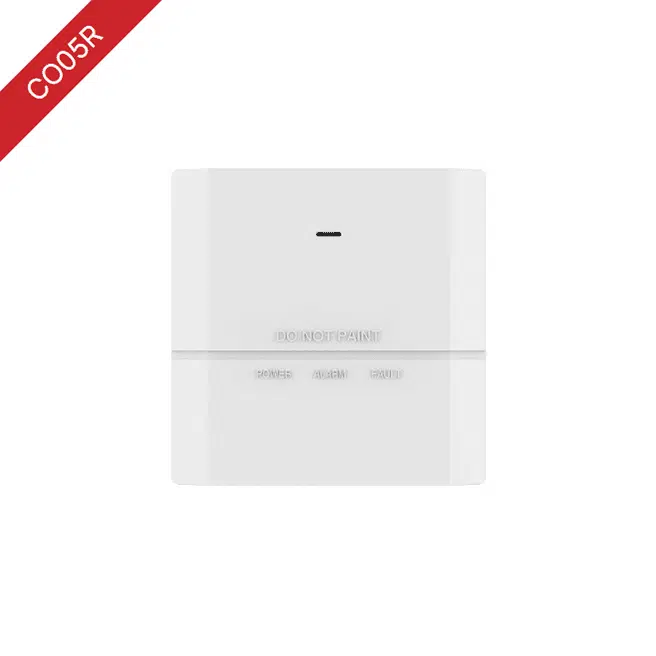
| Wireless Interlinked | No | RF 433MHz | DC3V Replaceable AA Battery | RF interlinked, no display, replaceable battery | EN 50291, TÜV Certified | ||
Wireless Interlinked | CO04R | No | RF 433MHz | DC3V Replaceable AA Battery | RF interlinked, no display, replaceable battery | EN 50291, TÜV Certified |
What Is EN 50291 and Why Does It Matter for CO Alarm Buyers
EN 50291 is the European performance and safety standard for electrically operated carbon monoxide alarms designed for continuous operation in domestic premises. The standard defines how carbon monoxide alarms must be designed, tested, and verified before entering European residential markets. EN 50291 is intended to provide warning of dangerous carbon monoxide exposure and support occupant safety through reliable alarm performance.
EN 50291 is divided into two certification categories depending on installation environment and product application.
EN 50291-1 — Residential Carbon Monoxide Alarms
EN 50291-1 applies to carbon monoxide alarms intended for fixed installation in residential and domestic buildings across European markets, including:
EN 50291-2 — Recreational and Mobile Applications
EN 50291-2 applies to carbon monoxide alarms intended for transportable or recreational environments, including:
EN 50291-2 applies to transportable and recreational environments where products are exposed to vibration, wider temperature variation, and changing installation conditions.
For distributors and product managers, EN 50291 certification is not only a regulatory requirement. It also affects product liability, retailer acceptance, insurance approval, and long-term consumer trust.

Proper CO alarm installation near fuel-burning appliances is critical for early detection. CFS EN 50291 alarms feature clear mounting instructions and optimized sensor placement for reliable carbon monoxide monitoring in residential environments.
Key Aspects of European Standard EN 50291 CO Alarms
Technical Requirement | EN 50291 Requirement | Purpose |
|---|---|---|
CO Alarm Trigger Threshold | Alarm response must follow specified CO concentration and exposure time ranges | Prevent nuisance alarms while ensuring early warning |
Response Time | Alarm must activate within defined time limits at different CO levels | Ensure timely evacuation and user safety |
Sound Output | 85dB minimum at 3m with defined upper sound limits | Provide clear warning during hazardous conditions |
Power Supply Monitoring | Battery-operated alarms must include low-battery warning | Maintain operational reliability |
Fault Detection | Self-diagnostic and fault indication required | Help users identify malfunction conditions |
Environmental Resistance | Products must withstand temperature and humidity testing | Ensure stable performance in residential environments |
EMC Performance | Must pass electromagnetic compatibility testing | Prevent interference from household electronics |
Long-Term Stability | Sensor and electronic system must maintain performance during life-cycle tests | Ensure dependable long-term CO detection |
End-of-Life Warning | Audible and visible replacement indication | Ensure continued protection |
Interference Gas Resistance | Must maintain alarm reliability under defined interference gases | Reduce false alarm and sensing errors |
EN 50291 defines alarm activation timing based on carbon monoxide concentration to balance life safety and false alarm prevention. Typical requirements include:
CO Concentration | Alarm Requirement |
|---|---|
30 ppm | No alarm before 120 min |
50 ppm | Alarm between 60–90 min |
100 ppm | Alarm between 10–40 min |
300 ppm | Alarm within 3 min |
These response criteria are designed to reflect real carbon monoxide poisoning risks and provide practical protection in residential installations. For distributors and private label brands, EN 50291 compliance is more than a certification label. It directly affects:

Tips From CFS
Based on 20+ years of manufacturing experience, CFS recommends sealed lithium battery CO alarms for European residential projects. The 10-year battery platform reduces maintenance costs and ensures compliance with EN 50291 end-of-life warning requirements.
Europe CO Alarm EN 50291-1:2010+A1:2012 vs EN 50291-1:2018
EN 50291 has evolved through 4 revisions to improve carbon monoxide alarm safety, reliability, and suitability. EN 50291 was originally published as a single standard and later separated into EN 50291-1 and EN 50291-2 for residential and transportable applications. EN 50291-1:2018 introduced several important updates for carbon monoxide alarms, including mandatory end-of-life warning, expanded battery performance assessment, and requirements for radio-linked products.
Item | EN 50291-1: 2010 +A1:2012 | EN 50291-1:2018 | Change Level |
|---|---|---|---|
End-of-Life Warning | Limited / less defined | Mandatory audible + visual warning | Major |
Battery Assessment | Basic requirements | Added battery life evaluation guidance | Major |
Mains + Backup Supply | Limited requirements | Additional monitoring requirements | Major |
Interference Gas Testing | Existing | Expanded interference gas testing | Major |
Alarm Silence Function | Limited definition | Dedicated silence requirements and testing | Major |
Radio Link Devices | Not specifically covered | Radio link requirements added | Major |
Audible Alarm | Existing | Clarified and aligned with EN 14604 | Major |
Fault Warning | Existing | Clarified warning behavior | Moderate |
User Instructions | Standard guidance | Expanded mandatory information | Moderate |
Europe CO Alarm Requirements
EN 50291-1:2018 includes a comprehensive series of laboratory and reliability tests designed to verify alarm performance under real operating conditions.
1. Carbon Monoxide Response Accuracy
The electrochemical sensing system must trigger alarms according to specified CO concentration and exposure limits. The objective is to ensure dangerous CO exposure is detected quickly, short-term harmless exposure does not trigger nuisance alarms, and alarm behavior remains predictable and repeatable. This balance is essential for maintaining both safety and user trust.
2. Environmental Performance Testing
Residential alarms are exposed to changing environmental conditions throughout their service life. EN 50291-1:2018 therefore requires testing for high and low temperature conditions, humidity resistance, thermal cycling, and operational stability after environmental exposure.
3. Audible Alarm Performance
A CO alarm is effective only if occupants can hear and recognize the warning signal. The standard requires minimum alarm sound output, defined alarm signal characteristics, and consistent audible performance during testing. An alarm signal must remain clear enough to support occupant evacuation during hazardous conditions.

4. Battery and Power Reliability
EN 50291-1:2018 requires battery-powered alarms to provide low-battery warning, stable operation under voltage reduction, and reliable power monitoring. Both sealed lithium battery models and replaceable battery designs are covered under the standard when properly tested.
5. Fault Warning and Self-Diagnostics
Modern carbon monoxide alarms must identify internal failures that could affect detection accuracy. Required functions typically include sensor fault indication, electronic malfunction warning, end-of-life notification where applicable, and self-test capability.
Tips From CFS
When selecting CO alarm platforms for European markets, consider the C011 display series for premium positioning and C003 series for entry-level retail. CFS offers electrochemical sensor solutions with certified performance to reduce certification risk and accelerate market entry.
How Our EN 50291 CO Alarms Meet European Requirements
Our EN 50291 alarms are developed around key European performance requirements including electrochemical sensing accuracy, low-battery monitoring, fault indication, end-of-life warning, environmental resistance, and RF interconnection validation where applicable.
Our EN 50291 alarm programs support customized branding, documentation preparation, product validation, and mass production quality control for European residential safety markets.
How to Choose the Right EN 50291 CO Alarm
Project Requirement | Recommended Alarm Type | Typical Market |
|---|---|---|
Entry-level retail | Replaceable battery | DIY / supermarket |
Premium residential | Sealed lithium | Home safety brands |
Multi-room housing | RF interlinked | Property projects |
Smart home systems | Wi-Fi | Smart retail / IoT |
Company Info
With over 20 years of experience in fire and gas safety products, our engineering and manufacturing teams support OEM and private-label carbon monoxide alarm projects covering product development, compliance verification, and production quality control. Our EN 50291 products include standalone CO11, RF interlinked CO11R4, and Wi-Fi CO11W enabled alarms designed around European residential safety requirements and supported by third-party certification and traceable manufacturing processes.
FAQ
Other Alarm Products suit EN 50291
Combo alarms can provide comprehensive residential safety solutions to improve fire warning coverage and reduce false alarms. Learn more about our combo alarm OEM/ODM solutions.
Image | Item | Model | Product Type | Standards |
|---|---|---|---|---|
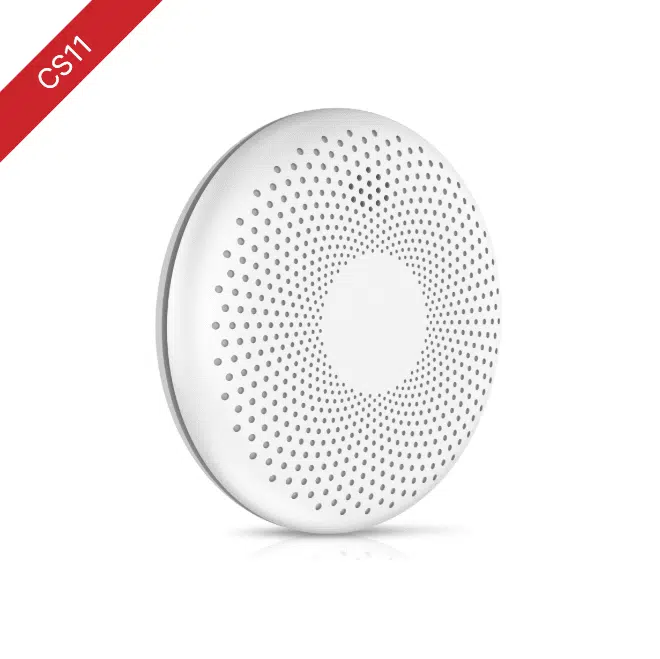
| Smoke & CO Combo | Smoke and carbon monoxide combined alarm | EN 14604 + EN 50291 | |
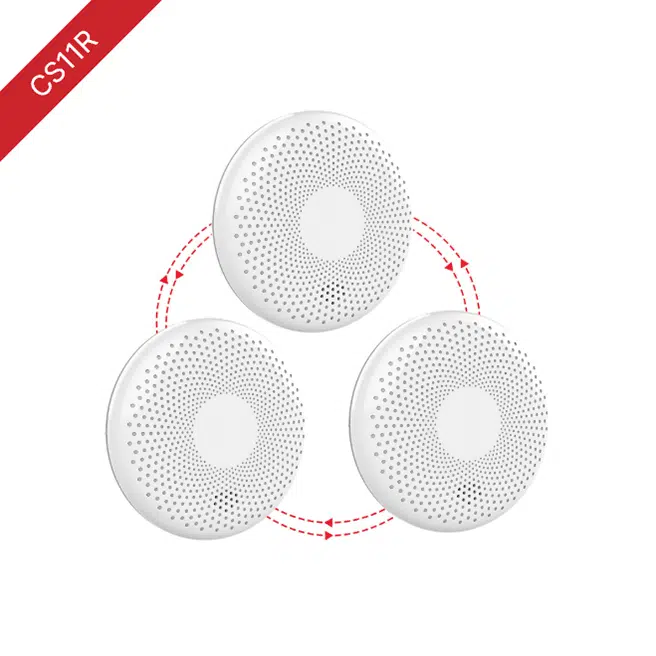
| Smoke & CO Combo | RF Interlinked combo alarm | EN 14604 + EN 50291 | |

| Smoke & CO Combo | Wi-Fi smart combo alarm | EN 14604 + EN 50291 |
Other Standard Products
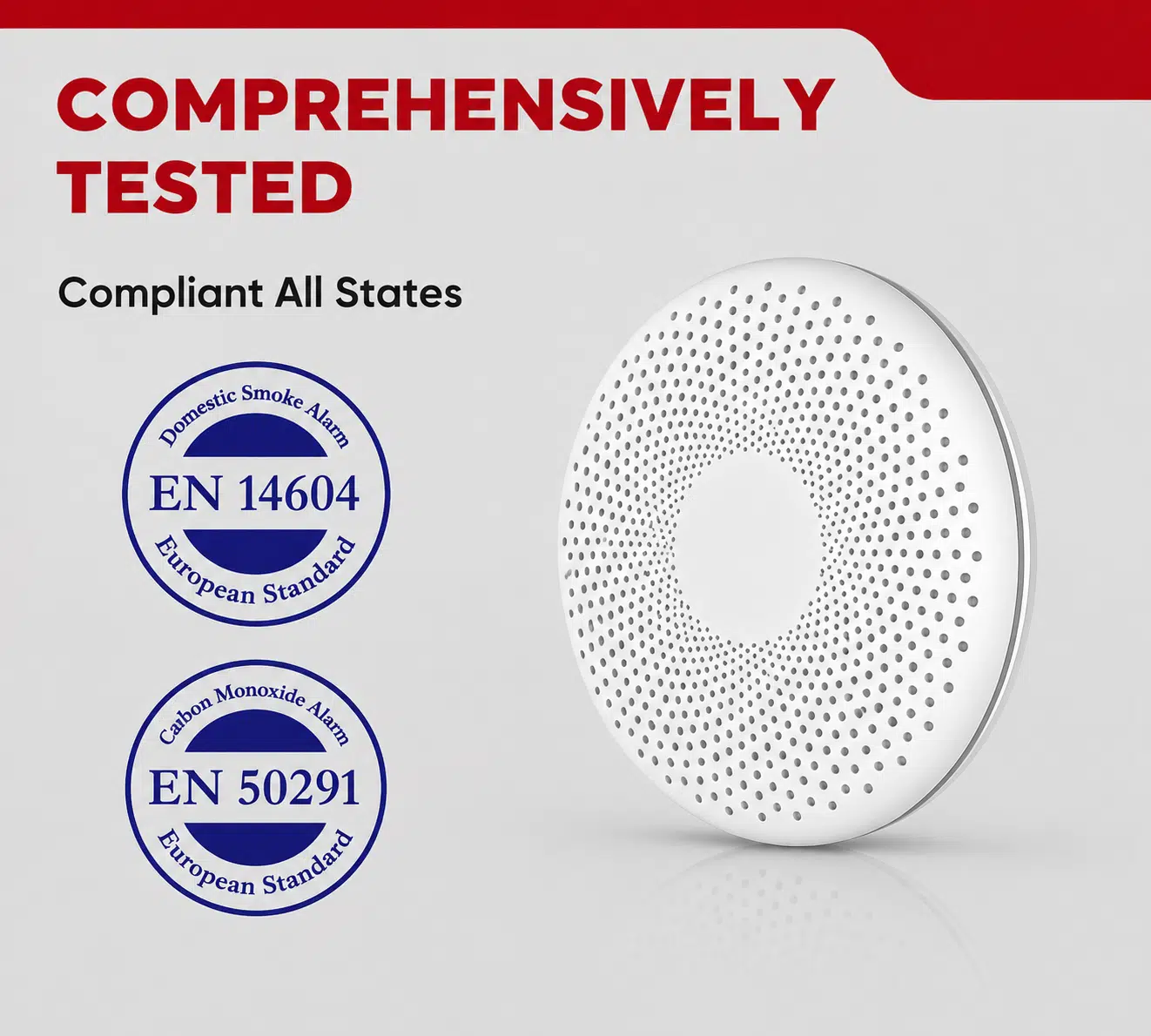
Explore our complete range of fire safety products certified to international standards:
Get Started with CFS EN 50291 CO Alarms
Ready to launch your EN 50291 certified carbon monoxide alarm product line? CFS offers complete OEM/ODM services from design to certification. Contact our team today to discuss your project requirements.