COMBO SAFETY SOLUTIONS
EN 14604 + EN 50291 Smoke & Carbon Monoxide Combo Alarms
Smoke and carbon monoxide combination alarms include standalone, Wi-Fi connected, and RF interlinked smoke and carbon monoxide alarms developed for residential projects, OEM manufacturing, and private-label programs across European markets, supported by certified performance and manufacturing capability for long-term supply projects.

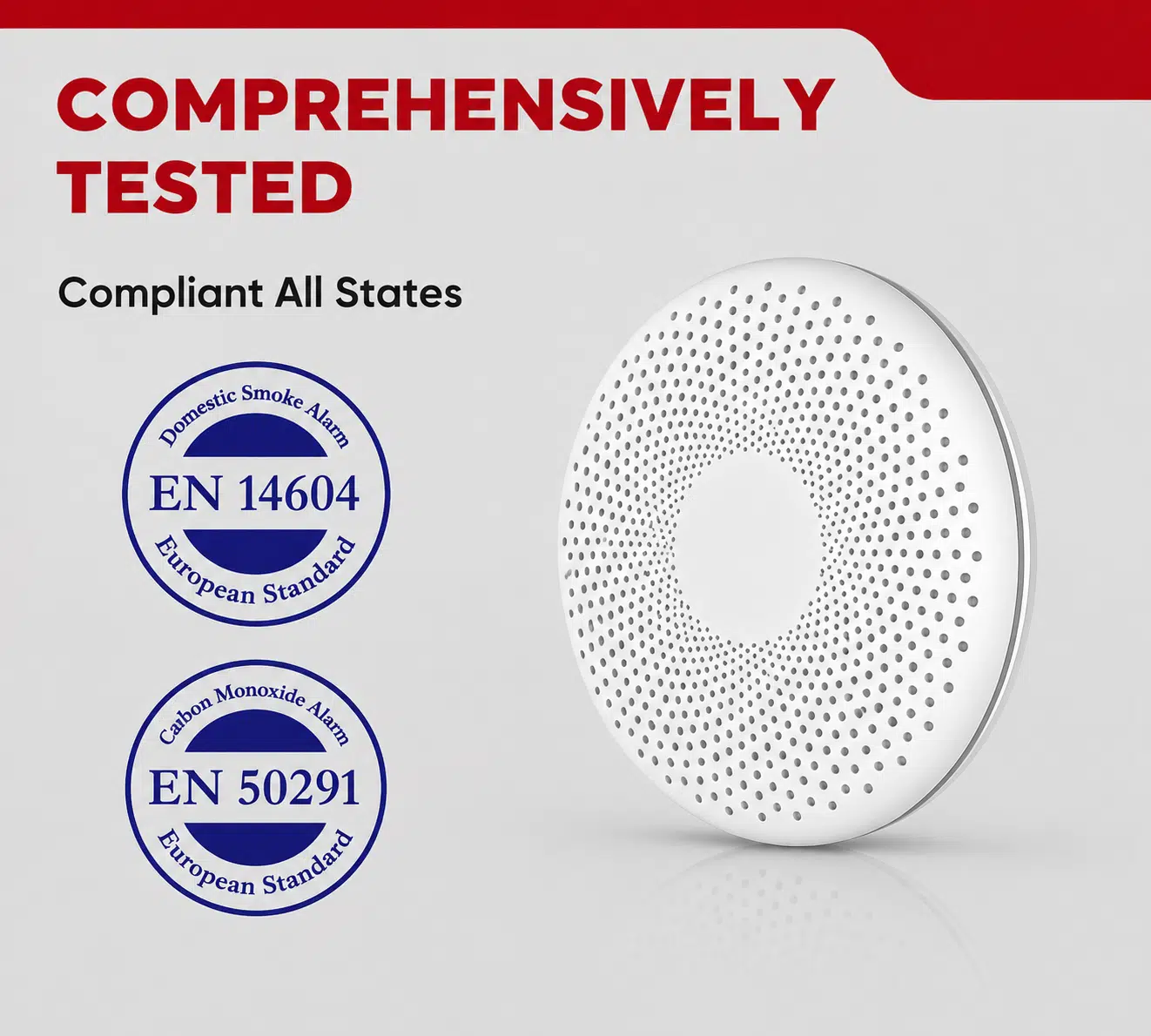
CE EN14604 from TUV 
CE EN50291 For CO alarm
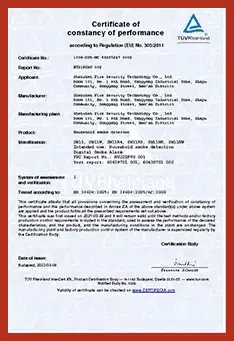
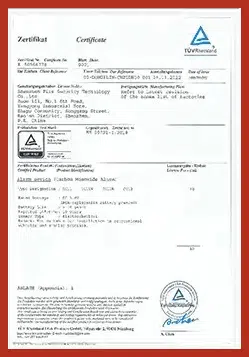
EN 14604 + EN 50291 Smoke & Carbon Monoxide Combo Alarm Product Range
Our EN 14604 + EN 50291 combo alarms are developed for residential and domestic applications requiring simultaneous smoke and carbon monoxide protection. Certified by recognized third-party laboratories including TÜV and SGS, the product range covers standalone alarms, RF interconnected systems, and Wi-Fi enabled smart detectors suitable for different installation and project requirements.
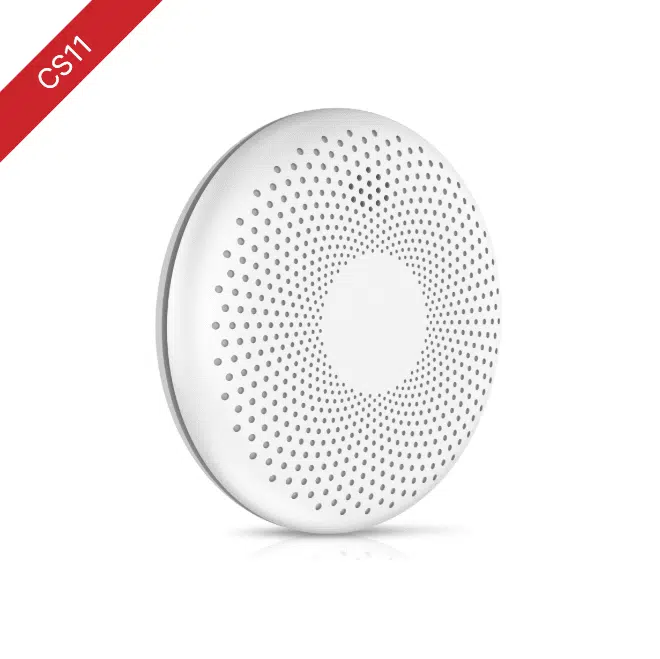
The CS11 series adopts sealed lithium battery platforms and integrated smoke plus carbon monoxide sensing architecture, including:
Image | Type | Model | Connectivity | Power Supply | Sensor Technology | Key Features | Certification | |
|---|---|---|---|---|---|---|---|---|
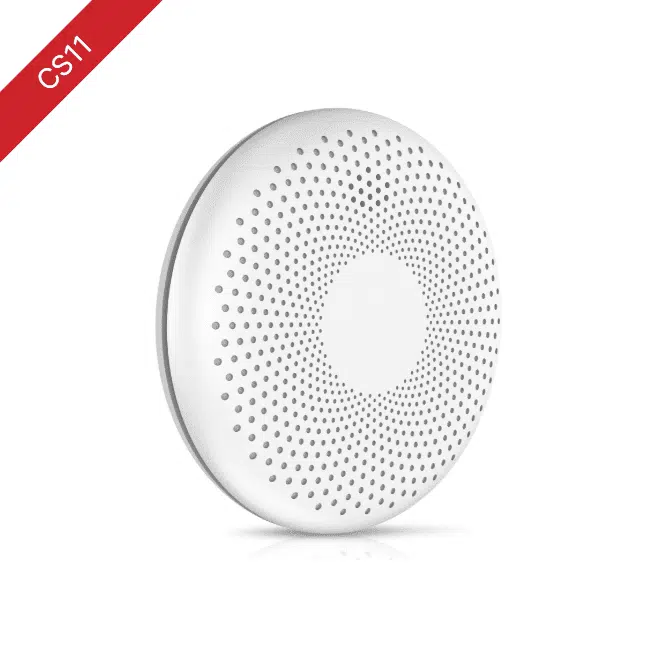
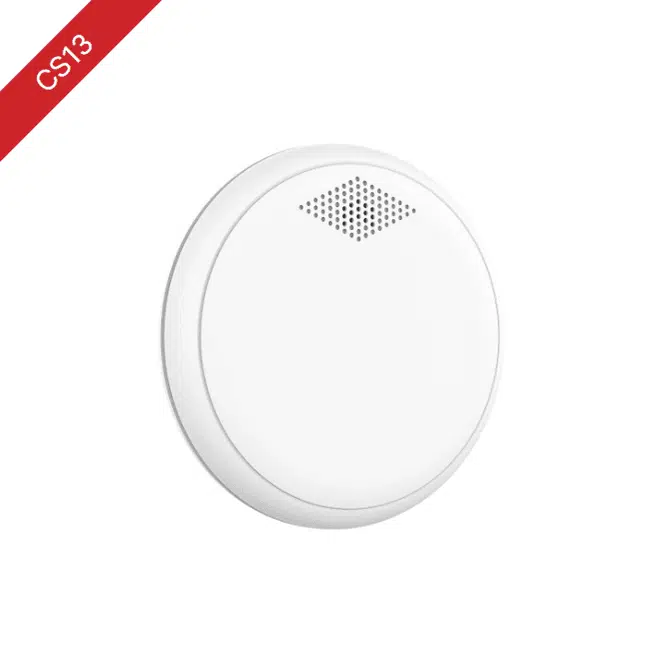
| Standalone | Independent | DC3V Sealed Lithium Battery | Photoelectric + Electrochemical | Smoke + CO detection, long-life battery | EN 14604 + EN 50291 | ||

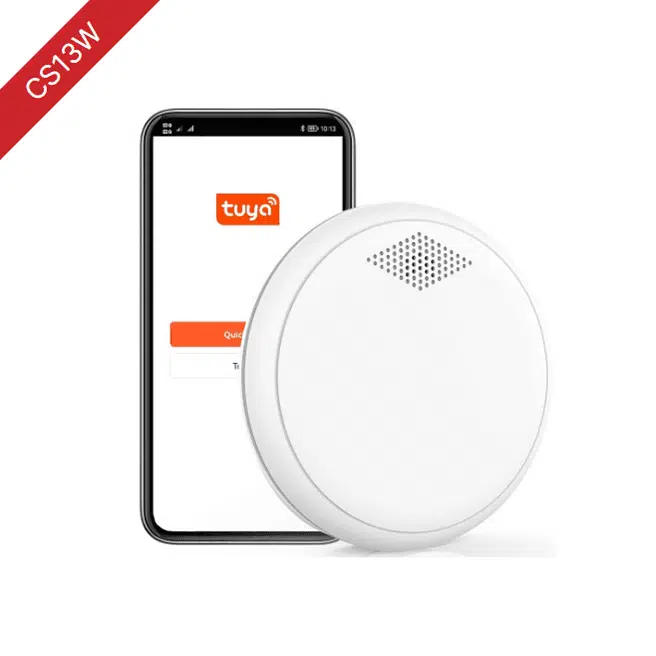
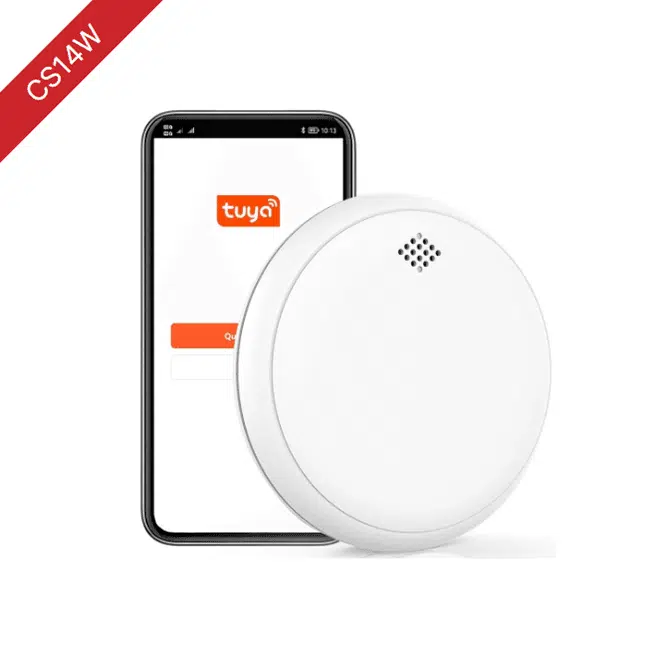
| Wi-Fi Combo Alarm | Tuya Wi-Fi | DC3V Sealed Lithium Battery | Photoelectric + Electrochemical | APP notification, smart monitoring | EN 14604 + EN 50291 | ||
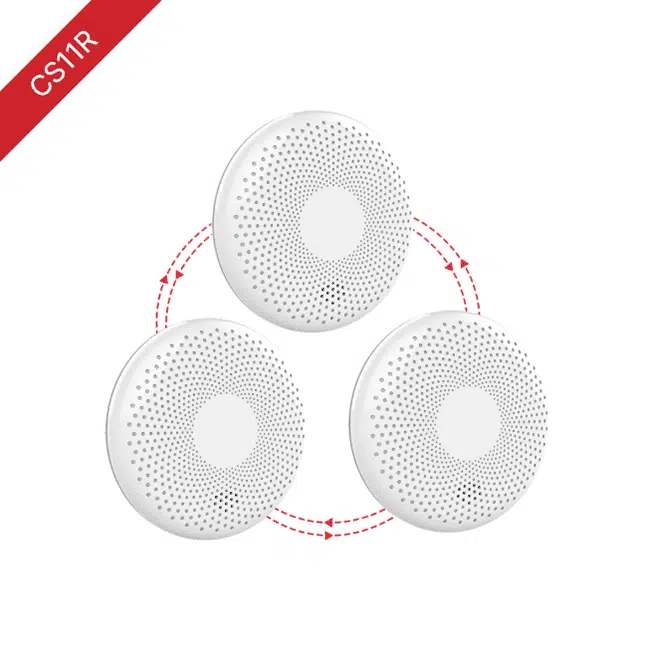
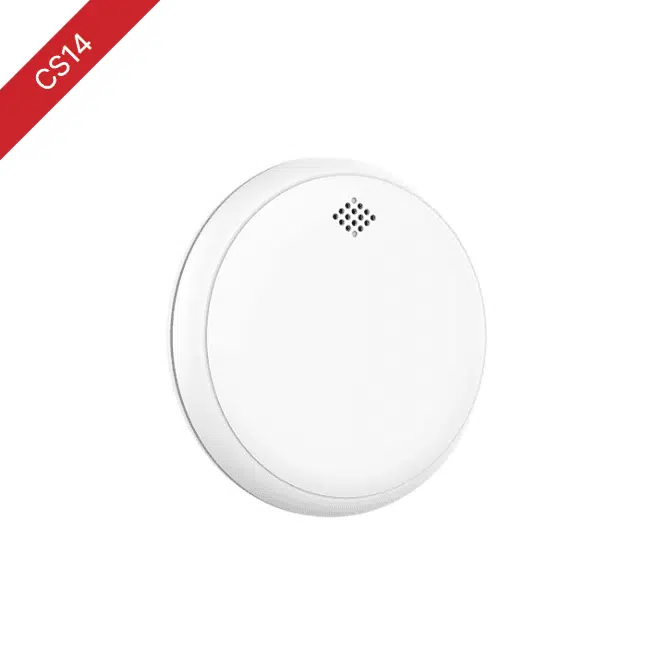
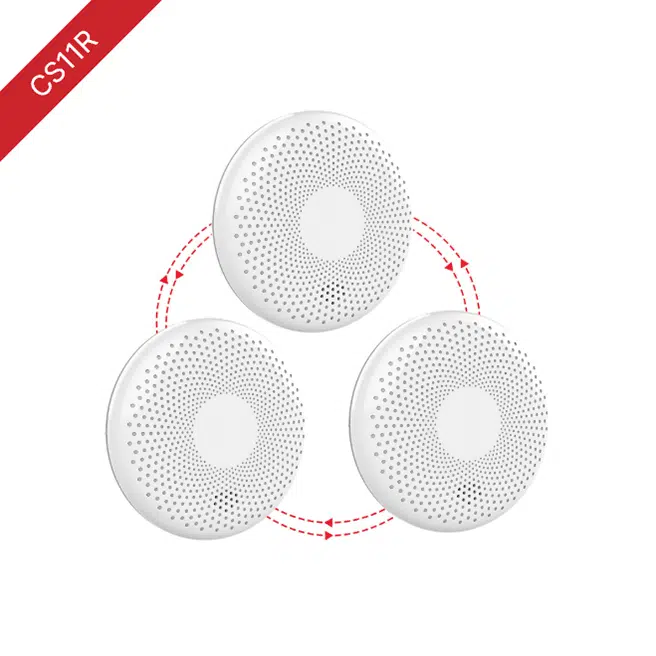
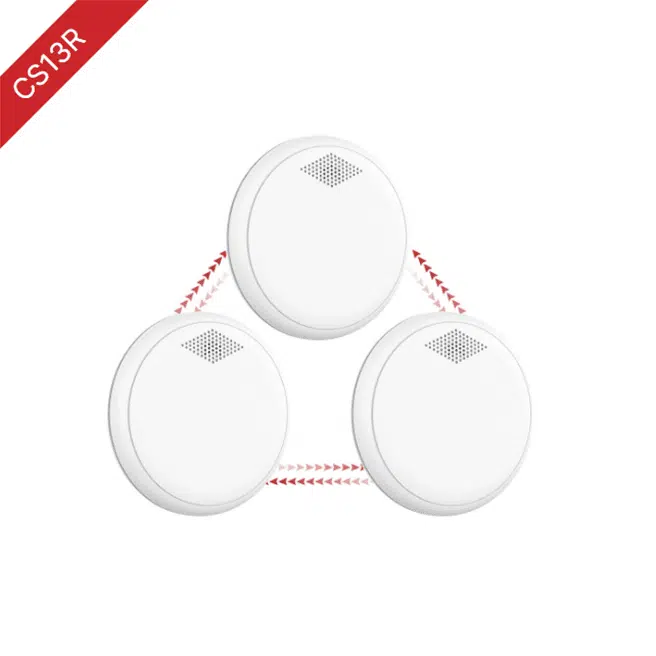
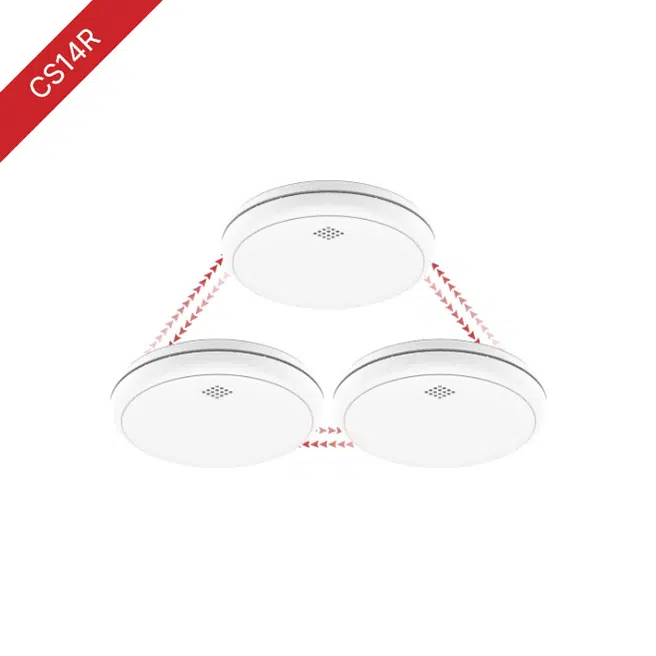
| RF Interlinked | RF 433MHz | DC3V Sealed Lithium Battery | Photoelectric + Electrochemical | RF networking, whole-home warning | EN 14604 + EN 50291 |
What Is an EN 14604 + EN 50291 Combo Alarm?
EN 14604 + EN 50291 combo alarms integrate smoke and carbon monoxide detection within a single residential alarm system. Photoelectric smoke sensing and electrochemical CO detection are commonly used to support dual warning performance.
EN 14604 Applications
EN 14604 applications include:
EN 50291 Applications
EN 50291 applies to electrically operated carbon monoxide alarms near:
Typical advantages include reduced installation time, fewer ceiling devices, simplified maintenance planning, lower replacement management cost, improved residential safety coverage, and cleaner interior appearance.
For residential developers, distributors, and OEM projects, combo alarms also support more efficient product planning and inventory management.
For distributors and product managers, dual certification is not simply a regulatory requirement. It also affects retailer approval, insurance acceptance, sourcing confidence, and long-term consumer trust.

Combo alarms provide dual protection from a single device, reducing installation complexity while ensuring comprehensive residential fire and CO safety coverage.
Tips From CFS
CFS recommends offering combo alarms as the premium option in your residential safety product lineup. With 10-year sealed lithium battery platforms and dual certification, combo alarms deliver higher margins and stronger customer retention compared to standalone units.
Key Aspects of European Standard EN 50291 + EN 14604 Combo Alarms
EN 14604 + EN 50291 combo alarms combine smoke and carbon monoxide detection within one residential platform and are evaluated against the technical requirements of both European standards.
Technical Requirement | EN 14604 / EN 50291 Requirement | Purpose |
|---|---|---|
Smoke Detection | Smoke alarm must respond within defined sensitivity range | Ensure early fire warning |
Carbon Monoxide Response | CO alarm must activate according to concentration and exposure limits | Provide dependable poisoning warning |
Audible Alarm Output | Minimum sound output with defined signal characteristics | Support occupant warning and evacuation |
Power Supply Monitoring | Low-battery monitoring required | Maintain operational reliability |
Fault Detection | Fault indication and self-diagnostics required | Identify malfunction conditions |
Environmental Resistance | Temperature and humidity resistance testing | Maintain stability in household environments |
EMC Performance | Electromagnetic compatibility required | Prevent electronic interference |
Long-Term Stability | Life-cycle and reliability verification | Support dependable long-term use |
End-of-Life Warning | Audible and visual replacement indication | Prevent expired alarm use |
Interconnection Performance | RF or network functionality validation where applicable | Ensure whole-home warning capability |
Europe Combo Alarm Requirements
European combo alarms are evaluated through a comprehensive series of laboratory and reliability tests intended to verify performance under residential operating conditions. Because combination alarms incorporate dual sensing technologies, certification requirements extend beyond those of standalone smoke or carbon monoxide alarms.
1. Smoke Detection Performance
Smoke detection systems must maintain stable sensitivity and alarm activation characteristics throughout service life. Testing evaluates smoke chamber sensitivity, alarm repeatability, smoke response consistency, and resistance to nuisance activation. Reliable smoke warning performance remains essential for residential fire safety.
2. Carbon Monoxide Detection Accuracy
Electrochemical CO sensing systems must activate alarms according to defined concentration and exposure limits. Testing verifies accurate CO response, stable alarm timing, repeatable sensing behavior, and controlled nuisance alarm resistance. These requirements help maintain warning credibility and user confidence.
3. Environmental Performance Testing
Residential alarms experience varying environmental conditions during long-term use. EN 14604 and EN 50291 therefore require testing for high and low temperatures, humidity exposure, thermal cycling, and operational stability after environmental stress. Environmental verification helps confirm dependable alarm performance in kitchens, utility rooms, bedrooms, and heated living spaces.
4. Audible Alarm Performance
An alarm is effective only when occupants can hear and recognize the warning signal. European standards therefore require defined alarm signal characteristics, minimum sound output, and stable acoustic performance. Alarm sound must remain sufficiently recognizable to support occupant evacuation and hazard awareness.
5. Battery and Power Reliability
Power failure remains a common cause of residential alarm malfunction. Combo alarms therefore require low-battery warning, stable operation under voltage reduction, power monitoring capability, and long-term power reliability. Both sealed lithium and replaceable battery platforms are supported when properly validated.
6. Fault Warning and Self-Diagnostics
Modern combination alarms must detect internal conditions that may affect warning performance. Typical functions include smoke chamber fault indication, CO sensor monitoring, electronic malfunction warning, end-of-life notification, and built-in self-test capability. These functions reduce the risk of unnoticed alarm degradation during long-term residential use.

Tips From CFS
When positioning combo alarms in your product catalog, emphasize the cost savings of single-device installation and simplified maintenance. CFS combo platforms share firmware and testing frameworks across standalone, RF, and Wi-Fi variants, reducing development overhead for multi-model OEM projects.
How Our Combo Alarms Meet European Requirements
Our combo alarms are engineered around key European safety requirements covering smoke detection, carbon monoxide sensing, power reliability, and interconnected warning capability. Development and verification programs focus on photoelectric smoke sensing performance, electrochemical CO detection accuracy, low-battery monitoring, fault indication logic, end-of-life warning, environmental resistance, and RF and Wi-Fi connectivity validation where applicable.
Depending on project requirements, alarm platforms may support sealed lithium battery power, RF networking, Wi-Fi integration, customized branding, and OEM and private-label deployment. Beyond certification compliance, many European projects require engineering coordination, documentation support, and production consistency throughout the product lifecycle. Our manufacturing and compliance programs are designed to support these requirements while maintaining alignment with EN 14604 and EN 50291 certification expectations.
How to Choose the Right Combo Alarm
Project Requirement | Recommended Alarm Type | Typical Market |
|---|---|---|
Entry-level retail | Standalone combo alarm | DIY / supermarket |
Premium residential | Sealed lithium combo alarm | Home safety brands |
Multi-room housing | RF interlinked combo alarm | Property projects |
Smart home systems | Wi-Fi combo alarm | Smart retail / IoT |
OEM / private label | Customized combo platform | Brand projects |
Company Info
More than 20 years of manufacturing experience in fire and gas safety products has supported the development of OEM and private-label smoke and carbon monoxide alarm programs for European residential markets. Beyond product certification, European alarm projects typically require engineering coordination, documentation support, and production consistency throughout the supply cycle. Our manufacturing and compliance programs support OEM development, private-label branding, certification coordination, and mass production quality control for smoke and carbon monoxide alarm projects.

FAQ
Other Standard Products
Explore our complete range of fire safety products certified to international standards:
Get Started with CFS Combo Alarms
Ready to launch your EN 14604 + EN 50291 certified combo alarm product line? CFS offers complete OEM/ODM services from design to dual certification. Contact our team today to discuss your project requirements.