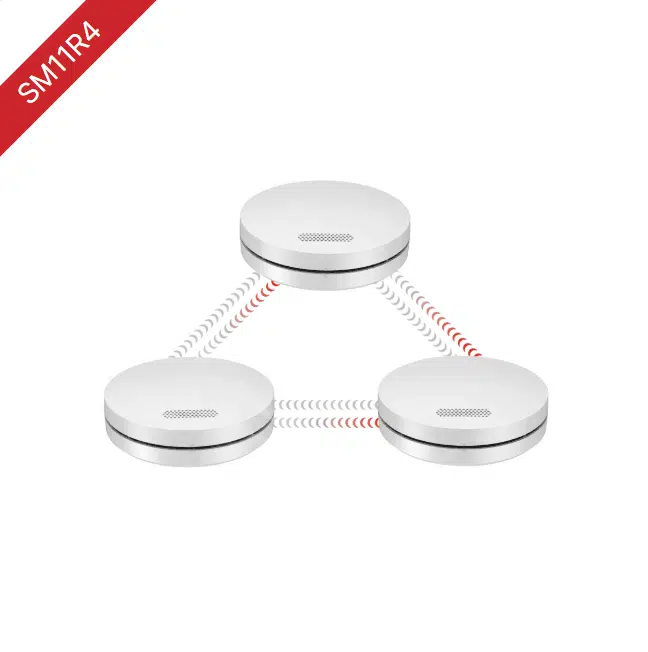
SM11R4 Wireless Interlinked Photoelectric Smoke Alarm
Lifetime: 3 or 10 years, cuztomziation avaliable
Looking for custom designs, competitive quotes, OEM/ODM partnership opportunities, or technical guidance? We’re here to help bring your project to life. Tell us what you need!

This project installs a comprehensive fire safety early warning system for UK’s Comfortable hotel. There are 5 floors and 62 guest rooms, and features various functional spaces including a restaurant, meeting rooms, a large business center, public Wi-Fi areas, public laundry and dry-cleaning facilities, and underground or above-ground parking in hotel building. There is a typical high-risk commercial service establishment for its diverse functional spaces and high volume of people.
Referring to the building’s functional layout and operational requirements and product types and technical characteristics, the project is comprehensively designed and planned the fire detection and alarm system with the British BS 5839 fire safety regulation for this hotel. The system uses 128pcs alarms (smoke alarms, heat alarms, CO alarms) and controllers. It enables early fire warnings, timely evacuation, and emergency response.
Explore how different areas are equipped with the appropriate types and number of alarms, ensuring effective fire safety across various environments.
Following EN 54 standard (applicable to Europe): The coverage area and detector spacing for each detector are standardized. For example, a point detector can cover approximately 80㎡ on a flat roof, depending on the ceiling height and interior layout.
62 Guest rooms + 1200 m² Corridors & Public passageways + 2000 m² Restaurant & Meeting Rooms & Business Center + Lobby + Relaxation area + Restroom
2 Boiler rooms + 1 Service room + 1 Commercial kitchen
Boiler rooms + Gas Equipment Rooms, etc.
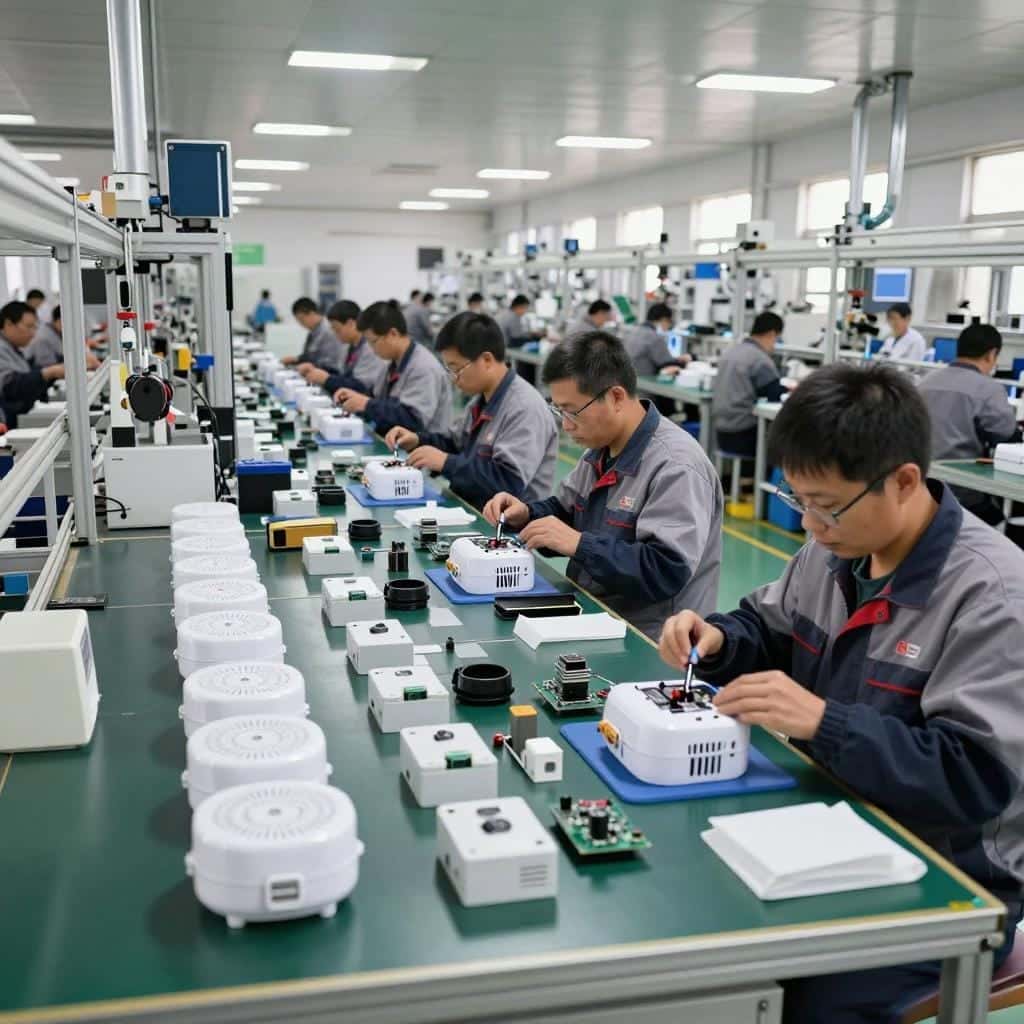
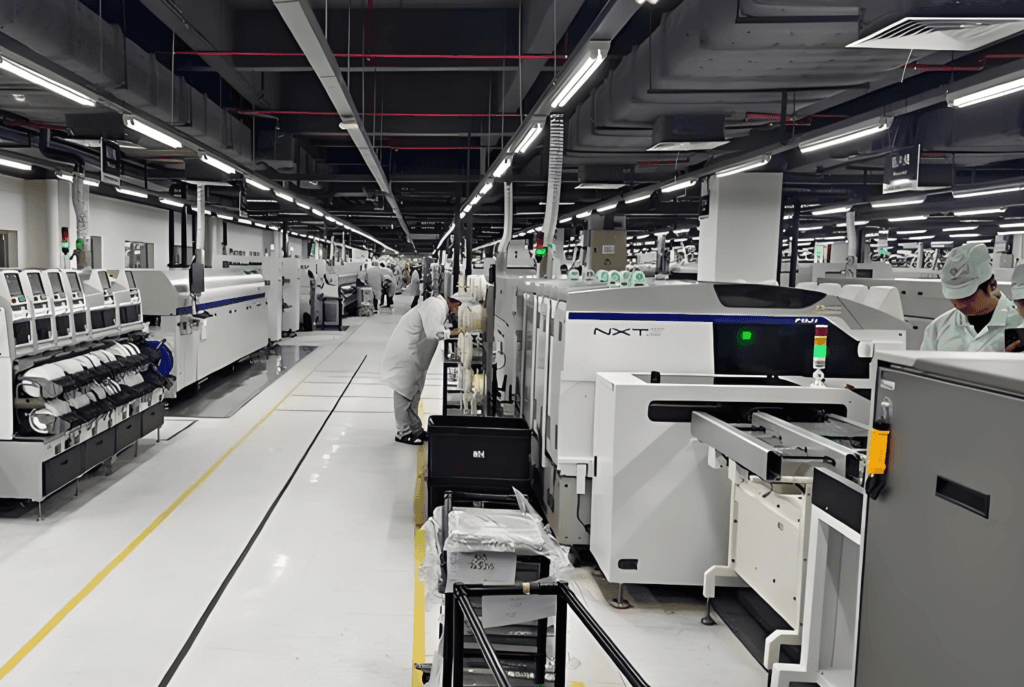
CFS® (Shenzhen Fire Security Technology Co., Ltd.), as a leading manufacturer specializing in fire safety alarms, we design and produce a comprehensive range of Smoke Alarms, CO Alarms, and Combo Alarms to protect homes and businesses worldwide.
We offer complete customization services including private labeling, custom packaging, and product modifications to meet your specific market requirements.
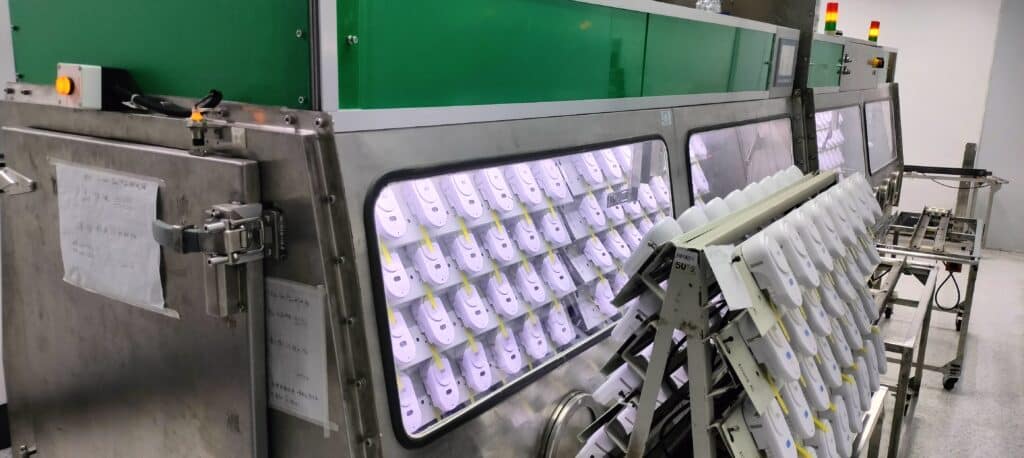

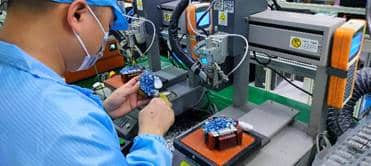

Based on the hotel’s spatial type and risk characteristics, the project will achieve fire (smoke/temperature rise) detection in all critical areas within the hotel and CO detection and early warning in areas where carbon monoxide leaks may occur (such as boiler rooms and machine rooms), so the project used three type alarms:

Photoelectric smoke alarms use an infrared LED (IRED) and a photosensitive LED in a chamber; smoke scatters the IRED light, generating a signal that triggers the alarm. They are sensitive to slow-smoldering fires, making them suitable for residential and public buildings.
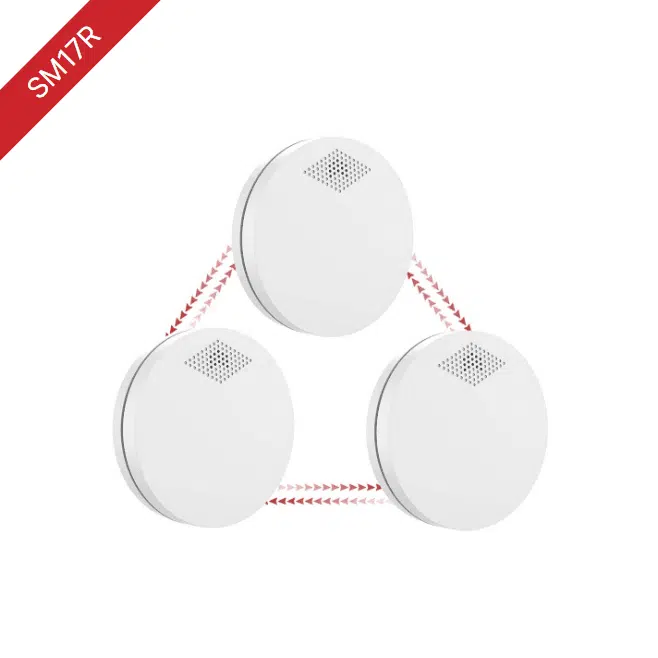
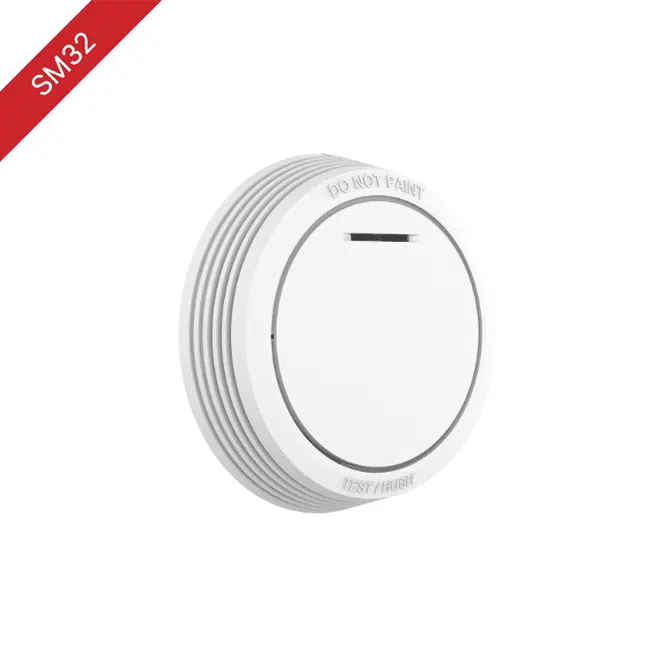
The system should cover densely populated hotel areas, such as guest rooms, corridors, meeting rooms, restaurants, and business centers. The project used a combination of Wireless Interconnected Alarms (SM17R Wireless Interconnected Smoke Alarm, SM11R4 Wireless Interconnected Smoke Alarm, CS13R Wireless Interlinked Smoke and Carbon Monoxide Combo Detector) and cooking alarms (SM32 Mini Smoke Alarm).
Lifetime: 3 or 10 years, cuztomziation avaliable

Heat alarms detect rapid temperature rises or high ambient temperatures, triggering an immediate alarm. They are suitable for areas with minimal smoke and fast heat increases, such as machine rooms, kitchens, boiler rooms, laundry rooms, electrical equipment rooms, and areas with steam, dust, or smoke.
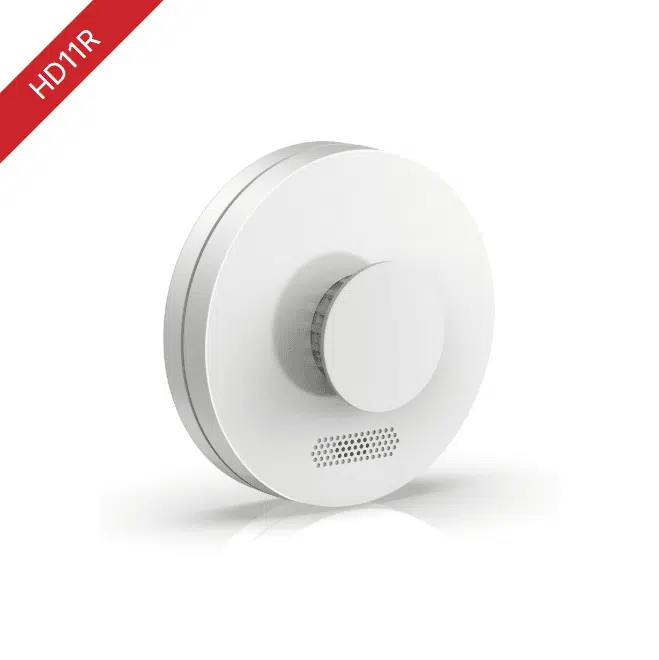
To reduce device and wiring requirements, the project used the Wireless Interlinked Heat Detector HD11R.

Carbon monoxide, the “silent killer,” is a colorless, odorless, tasteless, and non-irritating toxic gas that easily accumulates in areas with incomplete combustion and poor ventilation. Reliable CO detectors must be installed in laboratories, boiler rooms, dry cleaning areas and areas containing gas-burning equipment, also help protect the client and visitors from CO poisoning.
To reduce the number of separate devices and wires numbers in this project, using Interlinked Smoke and Carbon Monoxide Combo Detector CS13R.
The project considers the building’s architectural characteristics, functional space requirements, and safety coverage requirements, proposing a comprehensive and reliable alarm system solution. The design emphasizes:
In general, this solution achieving reliable 24/7 early warning not only makes sure people and property safety but also provides a long-term and high-quality safety management through reasonable design and standardized installation.
Covering all critical areas while avoiding redundant deployments and waste.
The combined use of heat and smoke combo alarms, CO and smoke combo alarms, effectively reduces false alarm rates and improves usability;
Wireless connectivity reduces damage to the building and shortens the project timeline.
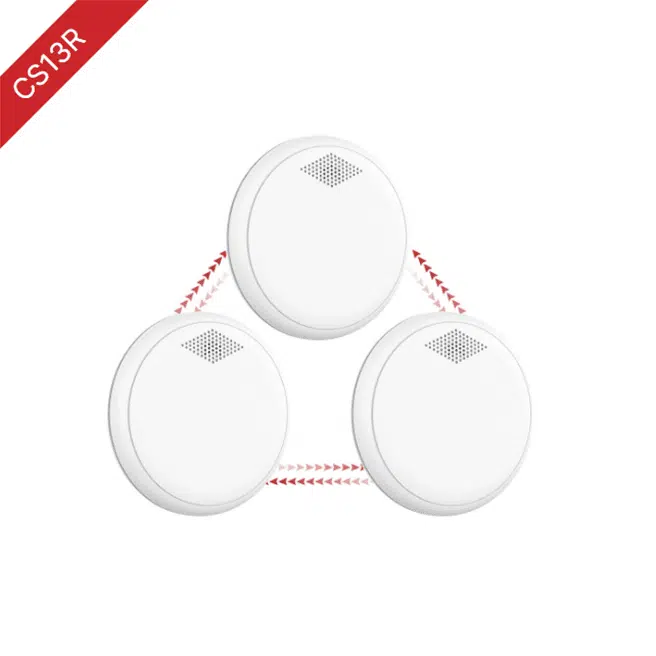
Unit Size: 120 * 120 * 31mm
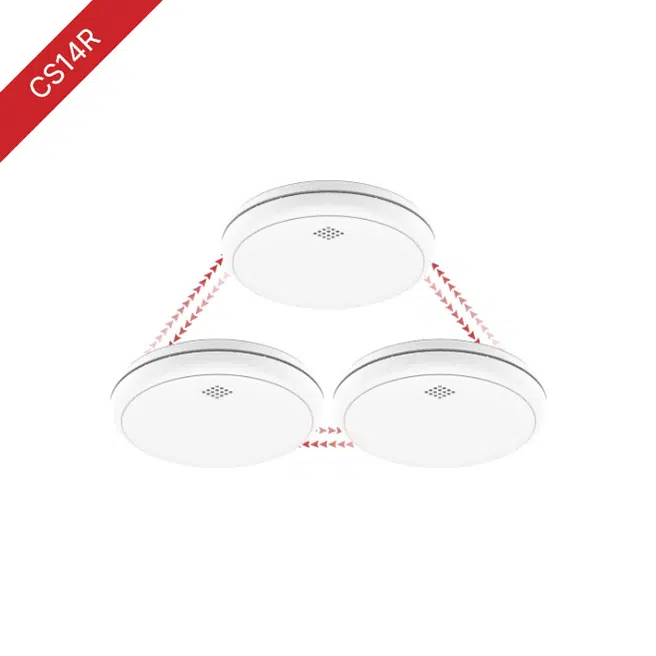
Unit Size: 120 * 120 * 31mm