Quick Answer: Why Do Film Studios Need Specialized Fire Alarm Systems?
There are pyrotechnic effects, high-temperature lighting, temporary sets, fluctuating electrical loads, and high occupant density in film and television studios, theaters, and production sites. The industry typically employs zoned, multi-technology fire detection solutions—combining smoke, heat, flame, and gas detection—to strike a balance between production safety and regulatory compliance. These are key features as follows:

Unique Fire Risks in Film Production
Pyrotechnic Special Effects
There is the risk of fire from explosions, pyrotechnics, and flame effects used in film and television production, which can cause instantaneous high temperatures
The procurement team should verify:
High-Temperature Lighting Equipment
Traditional spotlights and certain stage lighting fixtures operate at high surface temperatures.
Prolonged exposure to the light beam may cause:
Temporary Electrical Infrastructure
Procurement teams should verify that fire alarm systems for temporary power distribution systems in film and television production support temporary deployment, rapid commissioning, and repeated relocation without compromising reliability.
Key risks include:
Flammable Scenic Materials
Common high-risk materials include:
Confined Shooting Environments
Enclosed film studios are prone to smoke accumulation.
In the event of a fire:
Fire Code Requirements for Film Studios
NFPA 101 Life Safety Code
Key areas of focus:
NFPA 72 Notification Considerations
NFPA 72 focuses on alarm systems that support voice evacuation, coordinated notification appliances, documented inspection procedures, and ongoing maintenance records, which are particularly important in venues with large audiences or temporary production activities, such as theaters and film studios.
Local Film Commission Requirements
Film and television production permits in various regions typically include fire safety review requirements.
Before the project commences, the following must be confirmed:
Insurance Requirements
Insurance providers typically require:
Types of Fire Detection for Entertainment Facilities
Area | Recommended Detection | Reason |
|---|---|---|
Audience Areas | Smoke Detection | Early occupant warning |
Pyrotechnic Zones | Flame Detection | Rapid fire recognition |
Kitchens | Heat Detection | Reduced nuisance alarms |
Generator Rooms | Heat Detection | High-temperature resilience |
Gas Effect Areas | Gas Detection | Hazardous gas monitoring |
Smoke Detection
Photoelectric smoke alarms are installed:

Heat Detection
Please install the heat alarms for following locations:
Flame Detection
Suitable for:
Gas Detection
Gas detectors are usually used in:
Stage & Set-Specific Protection Strategies
Zoned Detection Design
The studio can be divided into four zones for differentiated exploration:
Zonal detection helps operators:
For large studio projects, zonal design typically offers greater long-term value than single-area detection.
Temporary vs Permanent Systems
Permanent Systems are suitable for:
Temporary Systems are suitable for:
Wireless Systems for Dynamic Environments
Wireless connectivity solutions reduce cabling work, and their main advantages include:
Procurement Considerations for Temporary Productions
The procurement team should, according to frequent set changes, short location-rental periods, temporary adjustments to special-effects areas, and collaborative work with multiple vendors in Film and television production, focus on:
For short-term shooting projects, ease of installation and operational flexibility are often more important than permanently fixed systems.
Budget Planning for Film Studio Fire Protection Projects
Permanent Venue Investments
Long-term operating theaters and permanent sound stages typically require:
The procurement team should conduct assessments based on a 10-year lifespan or longer investment.
Temporary Production Budgets
Temporary filming projects typically utilize a rental solution for mobile detection equipment with wireless connectivity. Budget priorities include:
Lifecycle Cost Considerations
The procurement team should not only focus on equipment purchase costs, but also consider:
For high-frequency shooting locations, lifecycle costs are often more important than the initial investment.

Rental vs Ownership Models
Criteria | Rental | Ownership |
|---|---|---|
Short-term filming | √ | × |
Long-term theater operation | × | √ |
Initial investment | Low | High |
Flexibility | High | Medium |
Long-term costs | High | Low |
Need Help Estimating Fire Protection Costs for Your Production Facility? Request Technical Consultation
Cinema & Theater Fire Protection Considerations
Audience Area Protection
Key areas of focus:
Projection Rooms
Key risks:
Temperature detection is recommended. The procurement team should focus on confirming:
Since the projection room is usually a restricted area, system reliability is particularly important.
Emergency Lighting Integration
Ensure that escape lights automatically activate and indicate escape directions in the event of a fire.
Exit Sign Coordination
Exit instructions should be consistent with the alarm system to avoid confusion during evacuation.
Procurement Considerations
The procurement team should focus on evaluating:
The following should also be considered in historic theaters:

Fire Alarm System Selection Guide for Film Studios
Recommended Fire Detection by Entertainment Application
Application | Recommended Solution | Key Benefit |
|---|---|---|
Small Studios | Wireless Interconnected Systems | Rapid deployment |
Large Sound Stages | Zoned Addressable Systems | Improved control |
Historic Theaters | Wireless Retrofit Solutions | Minimal disruption |
Touring Productions | Portable Detection Solutions | Reusability |
Pyrotechnic Areas | Flame Detection | Fast response |
Audience Areas | Smoke Detection + Voice Evacuation | Occupant safety |
Small Production Studios
Small film and television production studios typically have limited space but frequent set adjustments and intensive equipment use. The following should be prioritized:
The procurement team should focus on ease of installation, future scalability, and maintenance complexity.
Large Sound Stages
Large film studios typically feature high-rise structures and complex electrical systems across multiple sets.
Recommended approaches include:
Procurement should focus on evaluating:
Historic Theaters
Historic buildings are often subject to restriction on heritage protection. The following should be prioritized:
Procurement should confirm wiring limitations, building protection requirements, and maintenance accessibility.
Touring Productions
Touring projects typically require rapid setup, reuse across multiple venues, and temporary deployments.
Recommended approaches include:
Procurement should focus on:
CFS Entertainment Solutions
Wireless Interconnected Systems
SM11R4 & SM11R8 are suitable for:
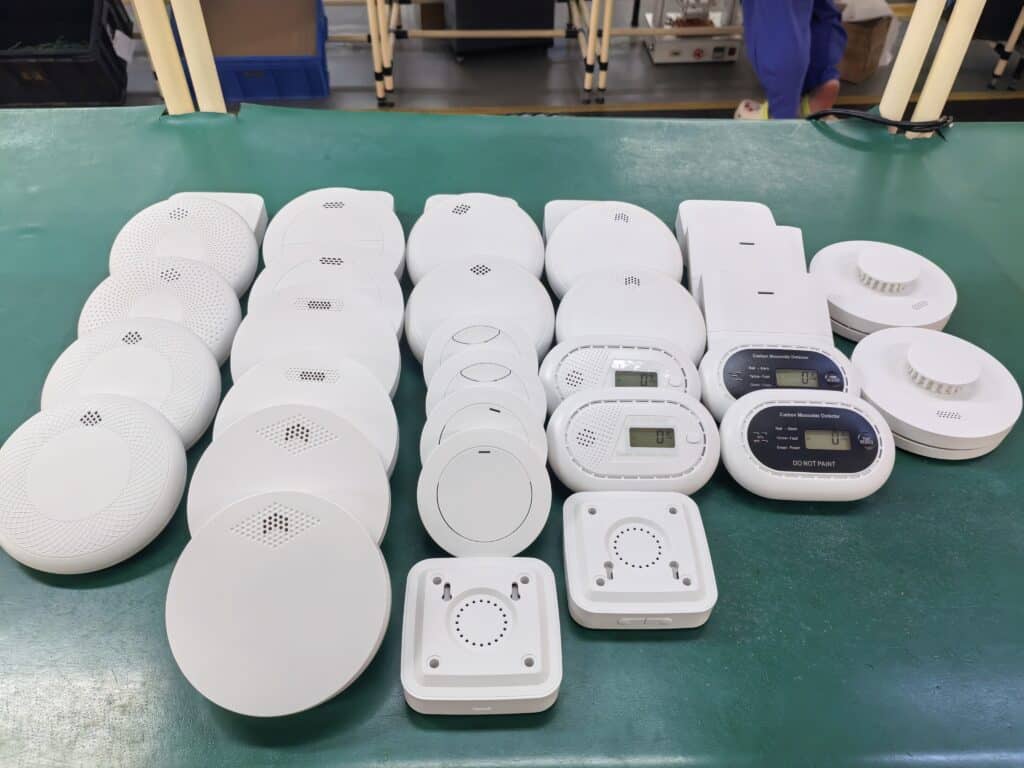
CS Series Combination Alarms
The CS11R or CS13R is recommended for:

Flexible OEM Support
CFS supports:
Case Studies and Lessons Learned
Fire Incidents in Entertainment Venues
Historical incidents have shown that:
The above items are often key factors contributing to escalated losses.
Prevention Success Stories
Risk zoning, multi-technology detectors, and regular drills can significantly reduce the impact of accidents.
Common Lessons from Entertainment Venue Fires
Temporary Electrical Risks
Overloading of temporary power distribution lines is a common risk.
Combustible Set Materials
Lack of flame-retardant treatment on set materials can accelerate the spread of fire.
Delayed Evacuation Decisions
Lack of clear broadcast instructions can delay evacuation.
Inadequate Staff Training
Insufficient staff training reduces the efficiency of emergency response.
Procurement Lessons Learned
Fires in the entertainment industry typically reveal the following problems:
These experiences demonstrate that fire protection system procurement is not merely equipment selection but an integral part of the operational management system. It must be implemented in tandem with operations management.
FAQ
Can wireless fire alarm systems be used on film sets?
Yes. Wireless systems are particularly suitable for shooting environments with frequent set changes.
What detectors are suitable for pyrotechnic effects areas?
These usually require a combination of flame detection, heat detection, and special operations management measures.
Are smoke detectors suitable for theater stages?
An assessment should be made based on the stage’s function, and a zoned design may be necessary to avoid false alarms.
Can temporary productions use wireless fire alarm systems?
Yes. Wireless systems are particularly suitable for temporary set environments.
What detectors are recommended for historic theaters?
Wireless solutions and low-interference installation methods are generally preferred.
Should entertainment venues use voice evacuation systems?
They are generally recommended for venues with large audiences.
What factors affect project costs?
These include venue size, use of special effects, and detector type.
Are flame detectors suitable for pyrotechnic areas?
They are usually one of the preferred options.
Conclusion
Fire safety design for film and television production sites should not simply replicate traditional commercial building solutions. Pyrotechnic effects, temporary sets, and complex personnel flow patterns necessitate more flexible and targeted detection strategies for the film and television industry.
For film and television production companies, theater operators, and system integrators, selecting a fire safety solution that complies with regulations, is easily adjustable, and ensures operational continuity has become a crucial component of ensuring personnel safety and controlling project risks.


