Quick Answer
For importers, brand owners, fire protection product distributors, and engineering procurement clients, selecting a smoke alarm manufacturer should not be based solely on price comparisons. You should evaluate the certification capabilities, R&D strength, quality management system, supply chain stability, production consistency, and long-term OEM/ODM support capabilities before starting your projects.
There are the following characteristics for a long-term manufacturer:
For B2B clients, choosing a manufacturer is essentially choosing a supply chain partner for the next 5-10 years, not just a product.
Why Choosing the Right Smoke Alarm Manufacturer Matters
Many purchasing managers, when making their first purchase, typically focus on:
However, based on years of experience with OEM projects, these factors are often not the key to project success.
What truly impacts the long-term stable operation of a project is usually the manufacturer’s R&D, quality management, and supply chain capabilities.
A European brand purchased two smoke detectors with almost identical appearances.
Supplier A offered a 15% lower price.
Supplier B offered a slightly higher price.
One year later:
Supplier A, due to the discontinuation of a key electronic component, had to redesign its PCB, which required recertification testing and delayed the client’s project by several months.
Supplier B, having established long-term component lifecycle management, completed the verification of alternative solutions ahead of schedule, ensuring a continuous and stable supply of products.
A 15% difference in procurement costs can result in a final project cost difference of hundreds of thousands of dollars.
Therefore, excellent purchasing managers focus more on:
Whether the supplier can consistently deliver products for the next 5 years or more.

Why More Buyers Are Moving Away from Trading Companies
Purchasing fire safety products involves much more than unit pricing. Manufacturers with in-house R&D and production capabilities are often better positioned to support customers throughout the entire product lifecycle.
Trading Company vs Manufacturer
Trading companies and manufacturers have their own advantages to serve different business needs.
| Evaluation Item | Manufacturer | Trading Company |
|---|---|---|
| Product Design & Development | In-house R&D | Usually outsourced |
| Production Control | Direct factory management | Limited visibility |
| Certification Support | Direct cooperation with laboratories | Depending on factory |
| Engineering Modification | Fast response | Multiple communication layers |
| Quality Control | Factory-managed inspection system | Relies on supplier reports |
| OEM/ODM Customization | Comprehensive customization | Limited flexibility |
| Technical Support | Direct engineering team | Indirect communication |
| Cost Transparency | Factory pricing | Additional service margin |
Choosing smoke alarms, carbon monoxide alarms, and interconnected fire detection systems manufacturers can provide greater technical transparency and long-term supply stability to compare trading companies.

Greater Cost Transparency
Working directly with a manufacturer enables buyers to:
For long-term OEM projects, transparent communication helps both parties optimize costs while maintaining consistent product quality.
Technical Support
Typical technical support includes:
Certification Control
Manufacturers usually work directly with certification testing laboratories for the following items:
Engineering Collaboration
Experienced manufacturers can participate in every stage of product development.

Long-Term Supply Chain Stability
Manufacturers with mature supply chain management systems typically establish:
| Type | Advantages | Limitations |
|---|---|---|
| Manufacturer | Full control over production and quality | Higher MOQ in some cases |
| Trading Company | Multiple product options | Limited technical support |
| Distributor | Local inventory | Limited customization |
Smoke Alarm Manufacturer vs Supplier vs Factory
15 Questions to Ask Before Choosing a Smoke Alarm Manufacturer
Before Your First Factory Audit
Total Cost of Ownership (TCO) Analysis
| Cost Item | Low-cost Supplier | Professional Manufacturer |
|---|---|---|
| Purchase Cost | Low | Medium |
| Certification Risk | High | Low |
| RMA Cost | High | Low |
| Supply Risk | High | Low |
| Engineering Support | Limited | Full |
Low unit prices only account for a minor share of total cost of ownership. Procurement teams should assess suppliers based on overall project value instead of focusing solely on upfront purchasing costs.
10 Core Capabilities Every Professional Smoke Alarm Manufacturer Should Have
Significant changes have occurred in the global supply chain in recent years:
These changes mean that:
Manufacturers’ comprehensive capabilities have become a crucial component of brand competitiveness. More international brands are reassessing their partnerships with factories, rather than simply comparing per-unit prices.
The following 10 indicators are a supplier evaluation framework commonly used by international procurement teams.
1. Certification Capability
For fire protection products, certification is not an added value, but a fundamental requirement for market access.
Different countries and regions have different regulatory requirements.
| Market | Main Standards | Procurement Focus |
|---|---|---|
| Europe | EN 14604 | CE, DoP, Continuing Conformity |
| UK | EN 14604 + UKCA | UKCA Documentation Integrity |
| Australia | AS 3786 | Latest Standard Compliance |
| USA | UL 217 | 10th Edition Standard Compliance |
| Canada | ULC Related Standards | Market Access Requirements |
Excellent manufacturers typically possess not only existing certifications but also:
Procurement Recommendations: Don’t just confirm whether there is a certificate; more importantly, confirm:
2. R&D Capability
Smoke detectors have evolved from traditional electronic products into intelligent safety devices integrating hardware, software, algorithms, and regulatory requirements.
Engineering Validation Process
EVT
DVT
PVT
Pilot Production
R&D capabilities directly determine whether a manufacturer can:
The purchasing team should focus on understanding:
Factories with genuine R&D capabilities are typically able to participate in customer product definition, rather than simply manufacturing according to drawings.

3. Manufacturing Consistency
Fire alarms are typical safety products.
Performance fluctuations between any batches can directly impact certification results and end-user experience.
Automated Testing
Smoke calibration
CO calibration
Aging test
Functional test
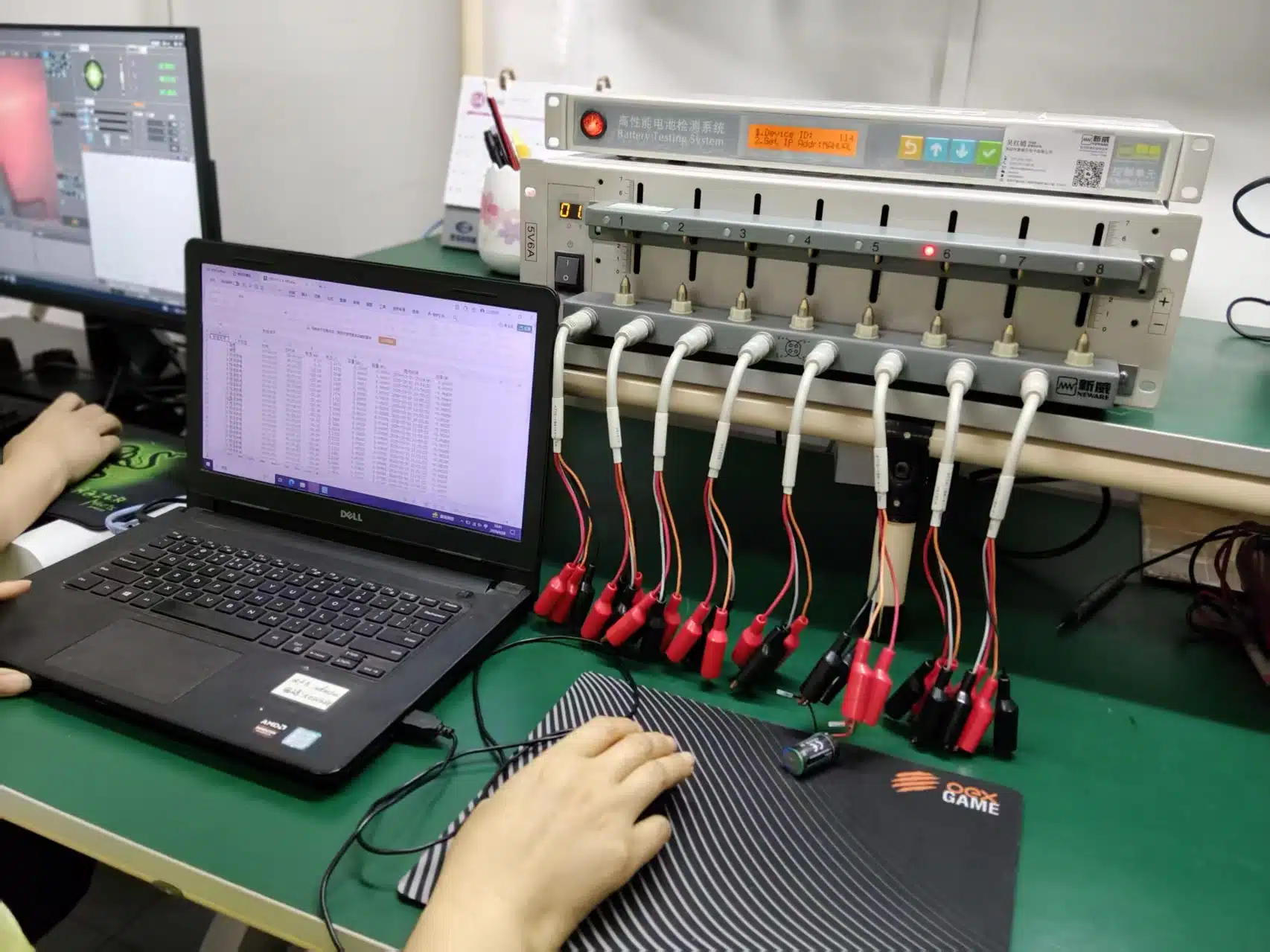
CFS has a comprehensive quality control system covering the entire production process, including:
They also implement specific controls for key components, such as:

4. OEM/ODM capabilities
Different clients have significantly different needs regarding cooperation models.
Common models include:
OEM: The customer provides a complete product solution, while the manufacturer handles production, brand printing and customized packaging. Suitable for:
ODM: The manufacturer takes charge of product design, research and development, testing and certification support, while the customer customizes the brand. Suitable for:
Excellent manufacturers typically provide:

5. Project Management
Large OEM projects often involve collaboration across multiple departments, including:
Without a professional project management mechanism, even if the product itself is sound, the following problems may arise:
It is recommended that the procurement team focus on whether the manufacturer has a dedicated project manager, can provide a complete project timeline, and establish a phased milestone management mechanism from requirements confirmation and sample verification to mass production delivery.
When evaluating smoke alarm manufacturers, the procurement team should avoid using price as the sole decision-making criterion.
Long certification cycles, long product lifecycles, and high after-sales responsibility characterize fire protection products. If a supplier lacks R&D capabilities or a quality management system, even with lower initial procurement costs, higher overall costs may result from certification failures, product recalls, supply disruptions, or regulatory updates.
From a long-term cooperation perspective, choosing a manufacturer with continuous R&D capabilities, a stable quality system, and a sound project management process is more conducive to reducing supply chain risks and supporting the brand’s long-term development in different markets.
6. Supply Chain Management
For smoke alarm manufacturers, supply chain management is not only about delivery time but also directly impacts product consistency, certification validity, and long-term supply capabilities.
A certified smoke alarm typically contains dozens of key electronic components, including:
Any change to any of these key components can affect product performance and may even require recertification.
Comprehensive supply chain management mechanism included:
* Approved Vendor List (AVL)
This effectively reduces quality fluctuations caused by supplier changes.
* Second Source Strategy: For key components such as MCUs, sensors, and batteries, it is recommended to establish at least two qualified suppliers to reduce the risk of supply disruptions.
Component Lifecycle Management (Lifecycle Management): Electronic components are subject to end-of-life (EOL) risks.
Reputable manufacturers typically track the lifecycle of critical components, plan alternatives in advance, and complete compatibility verification, rather than discovering components are unavailable after a customer’s project has started.
Safety Stock Mechanism: Establishing reasonable inventory levels for core materials can mitigate the impact of fluctuations in international logistics and market shortages.
Manufacturing Insight: In recent years, the global electronics supply chain has experienced continuous fluctuations. Procurement teams should focus on whether manufacturers have robust material substitution management processes.
Unauthorized replacement of critical components without verification may not only lead to performance changes but also affect certification compliance.
Therefore, during supplier audits, the following should be emphasized:
7. Quality Management System
For fire protection products, relying solely on final random inspections is insufficient to guarantee product quality.
CFS has end-to-end quality management, rather than a single outgoing inspection.
Incoming Quality Control (IQC)
All critical raw materials should undergo the following before entering production:
In-Process Quality Control (IPQC):
The following should be continuously monitored during production:
For smoke detectors, key parameters such as smoke response time, alarm sound pressure, and low battery alarm should be verified during production, not just through pre-shipment random checks.
Finished Product Quality Control (FQC)
After product assembly, the following should be performed:

Outgoing Quality Control (OQC)
Before shipment, a final inspection should be conducted according to AQL sampling standards, including:
The purchasing team can request the manufacturer to provide:
These documents better reflect the factory’s actual management level than a simple “quality commitment”.
8. Manufacturing Capability
With rising labor costs and increasingly stringent product consistency requirements, automated production has become a crucial indicator of a manufacturer’s overall strength.
Excellent smoke alarm factories typically possess the following automated equipment:
Production Capacity
When evaluating suppliers, purchasing managers should not only focus on daily output but also consider:
It is recommended to pay attention to the following questions:
For long-term cooperative projects, these capabilities directly affect supply stability.
9. Regulatory Compliance Management
Manufacturers must maintain their certification status to ensure products remain compliant with the latest regulatory requirements.
Established manufacturers typically have regulatory tracking mechanisms that continuously monitor standard updates across various target markets and promptly complete product verification and document maintenance.
The purchasing team should focus on confirming:
For products with long-term sales, these capabilities directly impact on the continuity of market access.
10. Global Project Experience
Besides the product itself, the manufacturer’s international project experience is also a crucial factor in the evaluation.
Manufacturers with global market experience are typically more familiar with:
During OEM project implementation, comprehensive technical support should also be provided, including:
For large-scale engineering projects, manufacturers should also be able to assist clients with:
Manufacturing Insight
Excellent manufacturers not only provide products but also possess the ability to continuously support their clients’ business development.
Smoke Alarm Factory Audit Checklist
It is recommended that the procurement team conduct a comprehensive evaluation of the following seven dimensions when auditing suppliers in person or remotely.
1. Enterprise Qualification Review
Key Confirmations:
Procurement Recommendation: Don’t just look at the business license. Further investigate the factory’s establishment date, main business, and major export markets to determine if the company has a long-term focus on fire alarm products.
2. Product certification audit
Key Confirmations:
Recommended Supplier Requirements:
Also Confirm:

3. R&D capability audit
Recommended key areas to understand:
Does the supplier possess:
4. Manufacturing Audit
Recommended areas to focus on:
Also observe:
These details often truly reflect the factory’s management level.

5. Quality System Audit
Key Confirmations:
Established:
Retained:
Mature factories can usually provide complete quality records quickly.
6. OEM Capability Audit
Key Understanding:
Support:
It is recommended to ask suppliers to provide case studies from past OEM projects.
7. Project Delivery Capability
Key Understanding:
Supplier Evaluation Scorecard
| Assessment Items | Weights | Score |
|---|---|---|
| International Certification Capability | 20% | |
| R&D Capability | 15% | |
| Quality Management System | 15% | |
| Production Capability | 10% | |
| Supply Chain Management | 10% | |
| OEM/ODM Capability | 10% | |
| International Project Experience | 10% | |
| Delivery Capability | 5% | |
| After-sales Technical Support | 5% |
It is recommended that the procurement team adopt a quantitative scoring method.
Recommendation:
10 Common Mistakes Buyers Make When Choosing a Smoke Alarm Manufacturer
Comparing only prices
If a lowest price product is recalled, its certification expires, or delivery is delayed, the total cost is usually much higher, and you should select the lower risk prices.
Only confirm whether a certificate exists
Correct approach to verify:
Ignoring Product Consistency
Excellent sample performance does not guarantee batch consistency.
Recommended understanding:

Ignoring Supply Chain Stability
After a critical MCU is discontinued:
These should all be confirmed in advance.
Unclear OEM Responsibility
It is recommended to clarify the following at the project initiation stage:
Who is responsible for:
To avoid future disputes.
Ignoring Regulatory Changes
Regulations in different countries are constantly updated.
For example:
It is crucial that manufacturers continuously maintain their certifications.
Ignoring Delivery Time Risk
Recommendations:
Ignoring After-Sales Service Capability
Recommendations:
Ignoring Intellectual Property
ODM projects should confirm in advance:
To avoid future cooperation risks.
Lack of Long-Term Cooperation Planning
Excellent suppliers should not only complete the first order, but also support:

OEM / ODM Development Process
CFS has clear milestones and acceptance criteria at each stage to reduce the risk of project delays and changes.

Key Takeaways for Procurement Teams
In the fire alarm industry, product lifecycles typically last 5 to 10 years.
Therefore, procurement decisions are not just about selecting a supplier, but also about choosing a technology partner for the next few years.
From a manufacturing perspective, successful long-term collaborative projects typically share the following characteristics:
Compared with frequently changing suppliers, establishing long-term partnerships with manufacturers that possess R&D and quality management capabilities is more conducive to reducing overall procurement costs and supply chain risks.
FAQ
1. How to determine if a smoke alarm manufacturer is a genuine factory?
It is recommended to verify their business licenses, production equipment, R&D team, quality system, and export records, and to confirm their manufacturing capabilities through video audits or on-site factory audits.
2. What are the most important certifications when purchasing smoke alarms?
Depending on the target market, these typically include EN 14604, UL 217, AS 3786, EN 50291, and relevant CE or UKCA requirements.
3. What is the difference between OEM and ODM cooperation?
OEM production is based on the customer’s existing design, while ODM involves the manufacturer handling product R&D, design, and subsequent optimization, making it more suitable for customers who want to quickly launch their own branded products.
4. How to verify the authenticity of certification certificates?
The certificate number, product model, issuing authority, and validity period should be verified against test reports and factory audit records.
5. What quality management systems should a mature manufacturer possess?
A comprehensive quality management system covering IQC, IPQC, FQC, and OQC should generally be established, with complete product traceability capabilities.
6. Can you provide Private Label services?
Most professional OEM manufacturers can provide Private Label services, including branding, packaging, instructions, labels, and custom appearance.
7. How long does new product development typically take?
The development cycle depends on the product’s complexity and certification requirements, and generally includes stages such as design, sample verification, certification testing, and mass production preparation.
8. How to reduce OEM project risks?
It is recommended to clearly define technical specifications, certification responsibilities, intellectual property ownership, delivery milestones, and quality acceptance standards, and continuously track progress through a project management mechanism.
Conclusion
For purchasing managers, product managers, and brand operations teams, selecting a smoke detector manufacturer should be based on a systematic evaluation, rather than simply comparing prices. It is recommended to focus on certification capabilities, R&D strength, quality management system, supply chain stability, automated production, OEM/ODM experience, global regulatory support, and long-term project service capabilities. Only manufacturers with these comprehensive capabilities can continuously provide stable, compliant, and competitive solutions throughout the product lifecycle, helping brands reduce procurement risks and enhance market competitiveness.