Quick Answer
New Polish legislation makes CO detectors compulsory across 16.2 million households, leading to market demand surpassing 10 million pieces. Our CO alarms meet EN 50291 standards. Thanks to the wide operating temperature and anti-freeze structure, these devices can reliably operate amid Poland’s severe cold climate. OEM/ODM customization is supported, helping you quickly enter this emerging market.
Download the Poland CO Alarm Market Opportunity Report
Understand Poland’s new carbon monoxide alarm regulations, market size forecasts, certification requirements, and product opportunities.
Request the Free Market Report Today
Why Poland Is Becoming Europe’s Fastest-Growing CO Alarm Market
Coal-Based Heating Creates High CO Risks
Poland has the most intensive coal-fired heating system in Europe, resulting in a high incidence of CO poisoning incidents during winter. New regulations require almost all homes with combustion equipment to install CO alarms. We build these detectors to stand up to tough weather conditions, making them the dependable safety option for Polish customers. In winter, incomplete burning in household boilers, stoves and fireplaces leads to high carbon monoxide risks.
Distributors and bulk project buyers will see steady, lasting demand for home CO alarms throughout the heating season.

Winter Climate Increases CO Poisoning Incidents
Homeowners in large areas of Poland retain heat and reduce ventilation in freezing temperatures by sealing rooms tightly to cause carbon monoxide to go up indoors. This brings sustained seasonal demand for household CO alarms covering the entire heating season from October to March.
New Legislation Is Expanding Demand
New regulations requiring CO alarm installation in residential and hospitality buildings are accelerating market growth. Compliance requirements are expected to create sustained demand over several decades.
Poland CO Alarm Regulations and Compliance Timeline
December 2024: New Residential Buildings
Poland’s new residential building regulations will take effect in December 2024. Any newly erected residential building fitted with combustion appliances or solid-fuel heating facilities needs to be fitted with qualified CO alarms that meet official standards. This requirement primarily affects:
For suppliers, this phase creates immediate demand from the new construction sector, particularly for EN 50291-certified standalone and interconnected CO alarms.
June 2026: Hotels and Short-Term Rentals
Poland’s new rule is effective June 30th, 2026.
Property operators are expected to prioritize:
This segment represents one of the fastest-growing commercial opportunities in the Polish market.
2050: Existing Housing Stock
By 2050, the legislation aims to extend carbon monoxide alarm coverage across the majority of Poland’s existing residential housing stock.
Considering that Poland has approximately 16.2 million homes, this long-term transition is expected to generate sustained replacement and retrofit demand over the next 25 years.
For distributors and OEM brands, this means:
Regulation Timelines – When Your Customers Need Products
c | Target Market | Business Opportunity |
|---|---|---|
December 2024 | New residential construction | Developer and contractor projects |
June 2026 | Hotels and short-term rentals | Hospitality upgrades and retrofits |
2026–2050 | Existing housing stock | Large-scale residential replacement market |
Manufacturers and distributors establish certification, inventory, and local distribution channels before enforcement deadlines are likely to secure significant market share.
Procurement Considerations for Distributors and OEM Brands
When preparing for Poland’s regulatory transition, buyers should evaluate:

Need Help Understanding Poland’s New CO Alarm Regulations?
Our compliance team can help you evaluate EN 50291 requirements, certification pathways, and product selection strategies for the Polish market.
Speak With Our Compliance Experts
Of Poland’s 16.2 million homes, 60% to 70% require CO (carbon monoxide) alarms. Whether you are a wholesaler, contractor, or retailer, we can provide product specifications and pricing solutions tailored to your target customer group, with demand ranging from 10 to 20 million units (1 to 2 units per household).
Hospitality Sector Opportunities
Poland’s regulations will take effect in 2026 June for hotels, inns, and short-stay rental housing. Property owners tend to select low-maintenance alarms with an extended service life.
Social Housing and Public Projects
Public housing programs and municipal renovation projects represent an important opportunity for distributors participating in government tenders.
Long-life alarms with strong certification credentials are generally preferred in these projects.
EN 50291 Certification Requirements for Poland
Our smoke and CO alarms are certified to EN 14604 and EN 50291-1, meeting Polish market access requirements. For customers seeking greater competitiveness, we also provide technical support for CNBOP testing to help you stand out in government procurement and large-scale projects.
EN 50291-1 for Residential Applications
EN 50291-1 specifies performance requirements for carbon monoxide alarms installed in residential buildings. Most CO alarms sold in Poland for fixed installations must comply with this standard.
EN 50291-2 for Mobile Applications
EN 50291-2 sets the standard for carbon monoxide detectors used in caravans, boats and other recreational vehicles.
Suppliers catering to the mobile lodging sector need to make sure their products meet this specific standard.

Is CNBOP Mandatory?
CNBOP certification is generally not legally required for residential CO alarms. However, it is highly valued in many commercial and public-sector projects.
Why Certification Matters
Certified products help distributors reduce liability risks, improve customer confidence, and facilitate participation in larger projects and tenders.
Looking for EN 50291 Certified CO Alarms?
CFS offers certified CO alarm platforms that help distributors and OEM brands accelerate market entry while reducing certification risks.
Explore Our EN 50291 Product Portfolio
CNBOP Certification: Do You Need It?
CNBOP – We Support Your Local Certification
While not legally mandatory, CNBOP is a trusted symbol for Polish fire departments, developers, and major distribution channels. We can provide pre-test data and sample support to help you complete the CNBOP approval process at the lowest cost, enhancing your bargaining power in the B2B market.
Government Procurement Projects
Government projects typically prioritize:
Retail and Distribution Channels
Retail distributors generally focus on:
Competitive Advantages of CNBOP Approval
CNBOP approval can:

Installation Best Practices for CO Alarms in Poland
Where Should CO Alarms Be Installed?
Carbon monoxide alarms should be installed in the following locations:
How Many CO Alarms Are Needed?
The number of alarm recommendations according to building size and heating configuration, including:
Property Type | Recommended Quantity |
|---|---|
Apartment | 1–2 units |
Single-family house | 2–4 units |
Hotel guest room | One per room where required |
Multi-story residence | One per occupied level |
Typical Installation Mistakes to Avoid
Common installation mistakes include:
Poor installation will weaken the alarm’s performance and trigger unnecessary false alarms.
Hotel and Rental Property Recommendations
Hotels, guesthouses, and rental properties should prioritize:
Property managers should establish periodic testing and replacement programs to maintain compliance.
Technical Challenges in the Polish Climate
Low-Temperature Performance
Poland experiences winter temperatures as low as -20°C, causing traditional CO sensors to degrade in performance due to reduced catalyst activity. Our alarms utilize industrial-grade, freeze-resistant electrochemical sensors, which are ETL-certified to ensure low-temperature start-up and accurate detection, and are also resistant to high humidity and silicon poisoning—this is our core competitive advantage in the local market.
Battery Capacity at Sub-Zero Temperatures
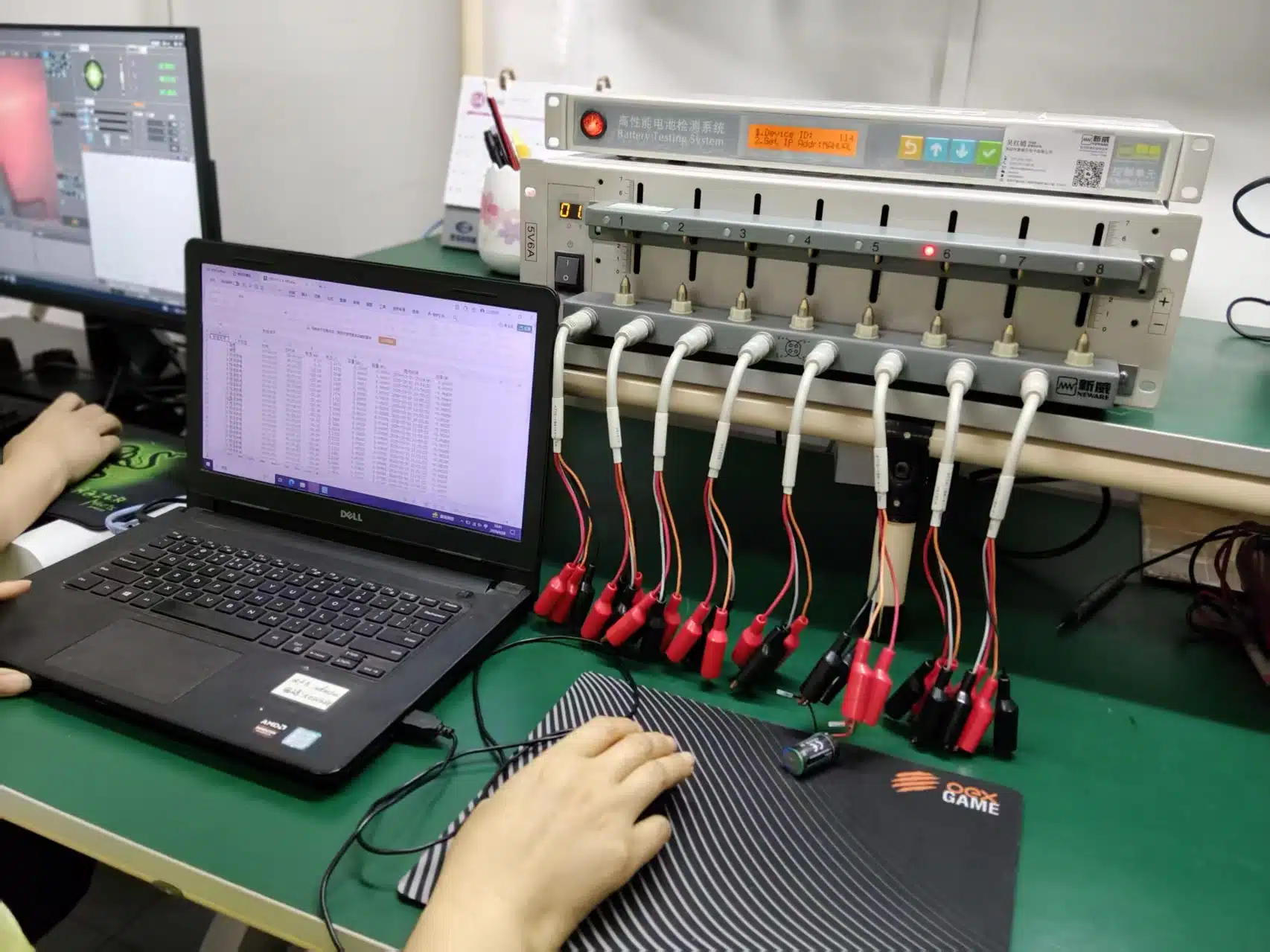
All finished products are subjected to comprehensive testing within the temperature span of -25°C to +55°C. Test items include low-temperature battery capacity, sound pressure level of the buzzer, LCD operation, working current and standby current. Each unit goes through 100% inspection prior to shipment, delivering stable performance for installation in unheated lofts and rural residential buildings.
Sensor Stability in High Humidity Environments
High humidity can affect electrochemical sensor performance and increase drift rates. Products intended for Poland should be validated under high-humidity conditions.
Silicon Poisoning Resistance
Silicone-containing household products may contaminate electrochemical sensors over time. Enhanced anti-poisoning technology can improve long-term reliability.
Which CO Alarms Are Suitable for the Polish Market?
Products used in Poland should prioritize long service life, low maintenance requirements, and reliable operation under low-temperature conditions.
Application | Recommended Product | Key Benefit |
|---|---|---|
Apartments | Standalone CO Alarm | Cost-effective |
Rental Properties | 10-Year Battery CO Alarm | Low maintenance |
Hotels | Interconnected CO Alarm | Improved occupant safety |
Vacation Rentals | Wi-Fi CO Alarm | Remote monitoring |
Public Housing | 10-Year Battery CO Alarm | Long lifecycle |
Government Projects | CNBOP-supported Models | Tender competitiveness |
Standalone CO Alarms
Standalone CO alarms remain the most widely used products in the Polish residential market. They are suitable for apartments, single-family homes, and replacement projects.

10-Year Battery CO Alarms
Long-life sealed battery CO alarms are increasingly preferred because they reduce maintenance workload and improve compliance in managed properties.
Smoke + CO Combination Alarms
Combination alarms are ideal for apartments, serviced residences, and hospitality applications where both smoke and carbon monoxide risks exist.
Interconnected CO Alarm Systems
Wireless-interconnected alarms activate simultaneously when carbon monoxide is detected.

Wi-Fi Connected CO Alarms
Smart CO alarms allow property owners to receive remote notifications and monitor alarm status by TUYA APP.
These products are increasingly attractive for:
Commercial and Public Building Solutions
Commercial buildings often require integrated fire and gas safety solutions with typical applications:
Addressable and interconnected systems may provide additional benefits in these environments.
Not Sure Which CO Alarm Is Right for Your Market?
Whether you serve retail, hospitality, public housing, or private-label channels, our engineering team can recommend the most suitable products for your business model.
Request Product Recommendations
How to Choose the Right CO Alarm for the Polish Market
For Retail Distributors
Retail channels typically prioritize:
Standalone and 10-year battery CO alarms are generally preferred.
For Hotels and Rental Properties
Hospitality operators generally prefer:
These features help reduce operating costs and improve compliance.
For Government and Public Projects
Government projects often prioritize:
CNBOP-approved products may provide additional competitive advantages.
For Private Label Brands
OEM brands typically prioritize:
CFS Product Portfolio for Poland
Our Product Range – Smoke Alarms, CO Alarms, Combo Units
CFS provides standalone smoke alarms, CO alarms, and dual smoke & CO combination alarms. We have two battery options: 10-year sealed lithium batteries and conventional replaceable batteries, alongside standalone, RF wireless and Wi-Fi connected versions. Every unit matches Poland’s local voltage and frequency specs, fitting applications from private family houses all the way to hotel buildings.
Product Type | Certification | Typical Application | Key Advantage |
|---|---|---|---|
Standalone CO Alarm | EN 50291-1 | Residential | Cost-effective |
10-Year CO Alarm | EN 50291-1 | Rental Properties | Low Maintenance |
Smoke + CO Alarm | EN 14604 + EN 50291 | Apartments / Hotels | Dual Protection |
RF Interconnected Alarm | EN 14604 / EN 50291 | Large Homes | Whole-Home Warning |
Wi-Fi Alarm | EN 14604 / EN 50291 | Vacation Rentals | Remote Monitoring |

CO Alarms
Our standalone carbon monoxide alarms are designed for residential, hospitality, and social housing applications.
Key features include:
Recommended applications:
Smoke + CO Combination Alarms
Combination smoke and carbon monoxide detectors provide two layers of safety in a single unit, reducing installation difficulty and cutting down on ongoing maintenance.
Major advantages are as follows:
Recommended applications:

Wi-Fi and RF Interconnected Models
Interconnected alarms are gaining traction across Poland. They boost safety awareness among residents and fit large residential construction projects perfectly.
Once one unit goes off, every linked alarm will sound at the same time to give people more advance warning.
We support the following communication methods:
Recommended applications:
10-Year Battery Solutions
Long-life sealed battery alarms are expected to become one of the fastest-growing product categories in Poland as new regulations expand.
Key advantages include:
Common installation scenarios include:
OEM/ODM Manufacturing Services
CFS supports custom appearance and packaging design, as well as multilingual instruction manuals (including Polish), with flexible minimum order quantities. Existing certified products can be quickly relabeled and shipped, helping you establish a localized brand image in the Polish market and shorten product launch cycles.
Private Label Solutions
Private label programs allow distributors to establish their own brands while leveraging existing certified product platforms.
Customization options typically include:

Polish Language Packaging and Manuals
Localized packaging and documentation improve customer confidence and facilitate market acceptance.
CFS supports:
Fast Market Entry Through Existing Certifications
Adopting ready-certified hardware platforms can greatly shorten R&D cycles, cut certification expenses and lower risks when entering new markets.
Many distributors opt for this solution to get their new products to market faster.
Flexible MOQ Options
Flexible minimum order quantities allow distributors to test market demand while minimizing inventory risk.
This approach is particularly useful for new market entrants.

Certification Project Support
Many distributors entering the Polish market require additional certification support. CFS provides technical documentation, pre-compliance testing assistance, and certification consulting to help customers accelerate market entry.
Launch Your Private Label CO Alarm Brand Faster
Use our existing EN 50291-certified platforms to reduce development costs, shorten launch cycles, and establish your own brand in Poland.
Start Your OEM Project Today
Why Choose Us – Reliability, Compliance, Value
We don’t just sell goods; we provide a full-chain service from certification support and sample testing to after-sales technical guidance.
Ready Stock for Early Deadlines
In preparation for the mandatory installation deadline for hotels and short-term rental properties in June 2026, we have reserved production capacity and have commonly used models in stock. Ordering now will ensure customs clearance and terminal deployment are completed before the deadline, helping you secure the first wave of guaranteed orders.
Your Next Step – Contact Us for Samples
We offer free samples for customers to test (including low-temperature testing guidance).
FAQ
Q1: What certification is required for CO alarms in Poland?
EN 50291 certification is generally required for residential CO alarms.
Q2: Is CNBOP certification mandatory?
No. However, CNBOP approval significantly improves competitiveness in project and government procurement markets.
Q3: Are 10-year battery CO alarms recommended?
Yes. Long-life alarms reduce maintenance and improve compliance.
Q4: Can smoke and CO combination alarms be used in Poland?
Yes, provided they comply with applicable certification requirements.
Q5: Can wireless interconnected alarms be used?
Yes. Interconnected systems are increasingly popular in residential and hospitality projects.
Q6: What temperature range should CO alarms support in Poland?
CO alarms should operate reliably at sub-zero 20 temperatures and high temperature high humidity levels.
Q7: Can OEM brands use existing certified platforms?
Yes. OEM brands can accelerate market entry by using pre-certified product platforms.
Q8: What is the business opportunity created by Poland’s mandate?
The market potential is estimated at 10–20 million units over the next 25 years.
Q9: How quickly can OEM projects be launched?
Projects based on existing certified products can typically be launched significantly faster than new certification projects.
Conclusion – Let‘s Grow Together in Poland
Poland’s carbon monoxide detector market will be one of Europe’s fastest-growing industries in the coming decades. We have certified products, proven technology and adjustable production capacity. We hope to establish cooperation with you and deliver dependable safety equipment to countless households across Poland.


