——Ultimate Solution for Compliance and Design of Commercial Smoke Alarm Systems
Based on over 20 years of experience in smoke alarm R&D and OEM/ODM manufacturing, this blog provides a systematic smoke alarm solution for commercial buildings from the perspective of fire equipment manufacturing engineers and OEM suppliers and international standards such as NFPA 72 and UL 268.
Fire smoke alarm systems are not only safety units but also crucial components for legal compliance and risk management in commercial buildings. Design, selection, or installation standards do NOT meet the requirements, leading to:
In other words, understanding commercial smoke alarm requirements is essential for purchasing managers, product managers, fire protection system integrators, and engineering contractors.
Why must commercial buildings meet smoke alarm requirements standards?
There are differences between Commercial buildings and residential environments, and commercial buildings typically have higher fire risks, such as:
Therefore, fire safety regulations in most countries require commercial buildings to install compliant smoke alarm systems.
According to statistics from the National Fire Protection Association, commercial building fires cause approximately 3,400 injuries and fatalities each year, many of which are related to alarm systems failing to respond on time.
An NFPA report shows that buildings with automatic smoke detection systems have approximately a 50% lower fire fatality rate.
In fire protection project acceptance, over 30% of system rectification issues are from smoke detector layouts or equipment selections that do not meet standards.
Therefore, commercial smoke alarm systems are not only a matter of equipment, but also a matter of systems engineering.
Root Causes: Common Non-Compliance Reasons in Commercial Smoke Alarm Systems
In actual projects, problems with smoke alarm systems are usually not caused by the equipment itself, but by the following key factors.
1. Detector Selection Does Not Meet Standards
All smoke detectors must comply with UL 268. This standard primarily requires:
If the alarms do not get this certification, they must not pass the monthly fire safety inspections.
2. Incorrect Detector Layout Design
The smoke detector installation density, according to NFPA 72 (National Fire Alarm Standard), must meet:
If you do not follow these principles, you will face:
You can click on the link to get the numbers of smoke alarms in different applications for your project, such as:
3. Inadequate System Integration Design
Commercial smoke alarm systems typically need to be linked with the following devices:
If the system design is incomplete, even if the detectors are functioning properly, a complete fire response may not be achieved.
Solution: Engineering Design Methodology for Commercial Smoke Alarm Systems
When designing commercial smoke alarm systems, you should draw on practical experience from fire engineering projects to inform the selection of equipment, algorithms, and system integration.
1. Select a compliance smoke detector for commercial projects
This photoelectric smoke technology provides a more sensitive response to smoldering fires. You can click on the link to get the principle of photoelectric smoke detectors.
According to CFS’s product technical specifications, its smoke detectors significantly reduce false-alarm rates while maintaining stable smoke-response capabilities through an optimized detection-chamber structure and signal algorithms.

2. Detector layout design according to NFPA 72
Smoke detectors in commercial buildings typically follow these principles. This is an example of office building:
Avoid installations in:
A well-designed layout ensures that smoke from a fire is detected in its earliest stages and prevents it from going undetected.

3. Establish equipment lifecycle management
Commercial smoke alarm systems require regular maintenance. Recommended maintenance schedule:

Case Study: Optimization of Smoke Alarm System in Commercial Hotels
A European hotel project discovered several system issues during fire safety inspection, including:
- Detector layout not conforming to NFPA 72
- Some devices lack UL 268 certification
- System not integrated with the smoke extraction system
The engineering team upgraded the system.
- Redesigned detector layout
- Replaced with equipment compliant with UL 268 standards
- Added linkage with the fire control system
Results:
This case demonstrates that commercial smoke alarm systems must be designed from a systems engineering perspective.

Summary
The core objective of commercial smoke alarm systems is to accurately detect smoke in the early stages of a fire and promptly activate the fire response.
For business clients, the following three aspects need to be emphasized:
- Alarms certification (UL268)
- Layout design (NFPA72)
- System integration and maintenance.
To ensure fire safety in commercial buildings, please select reliable smoke detectors with a reasonable system design and maintenance strategies.
FAQ
Related Products
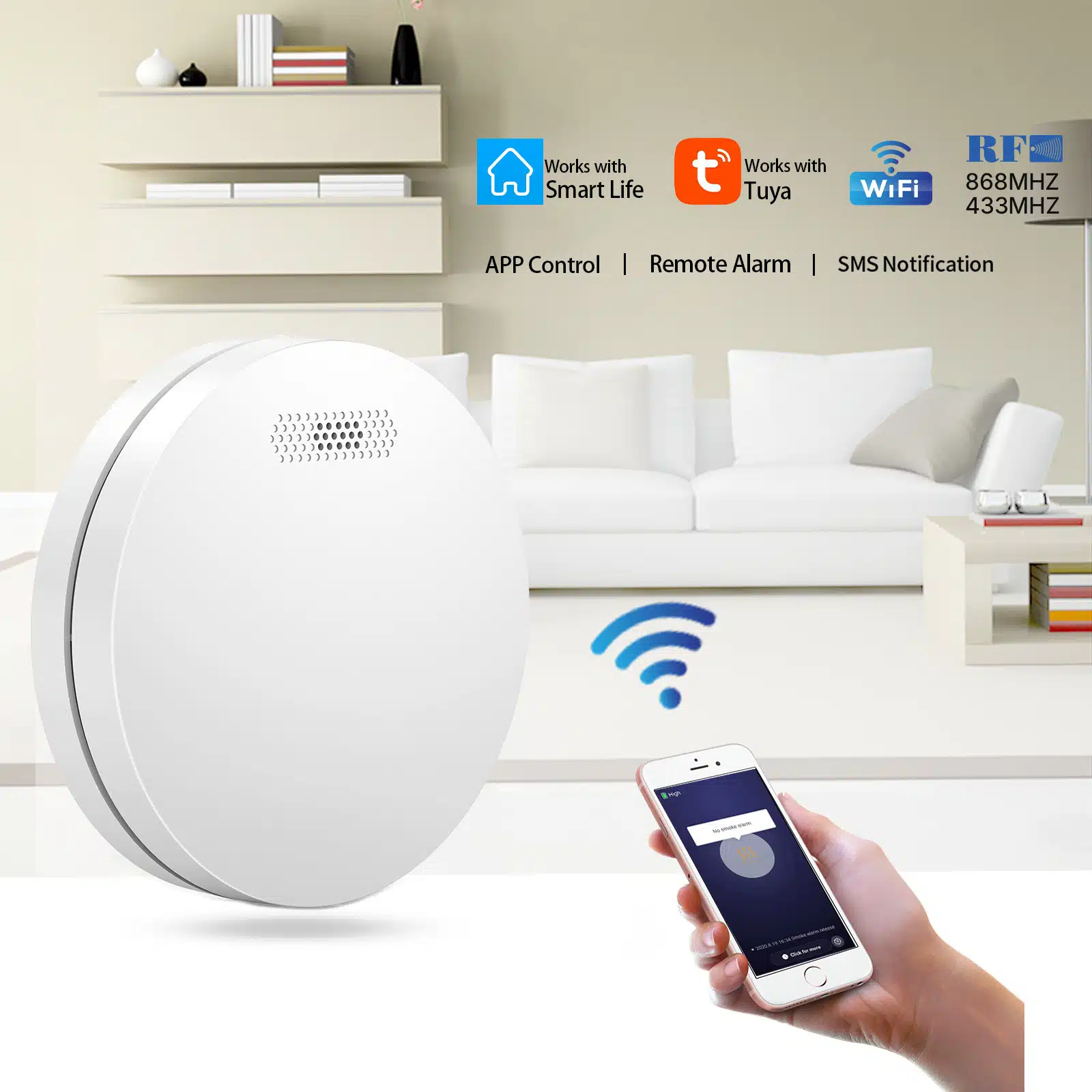
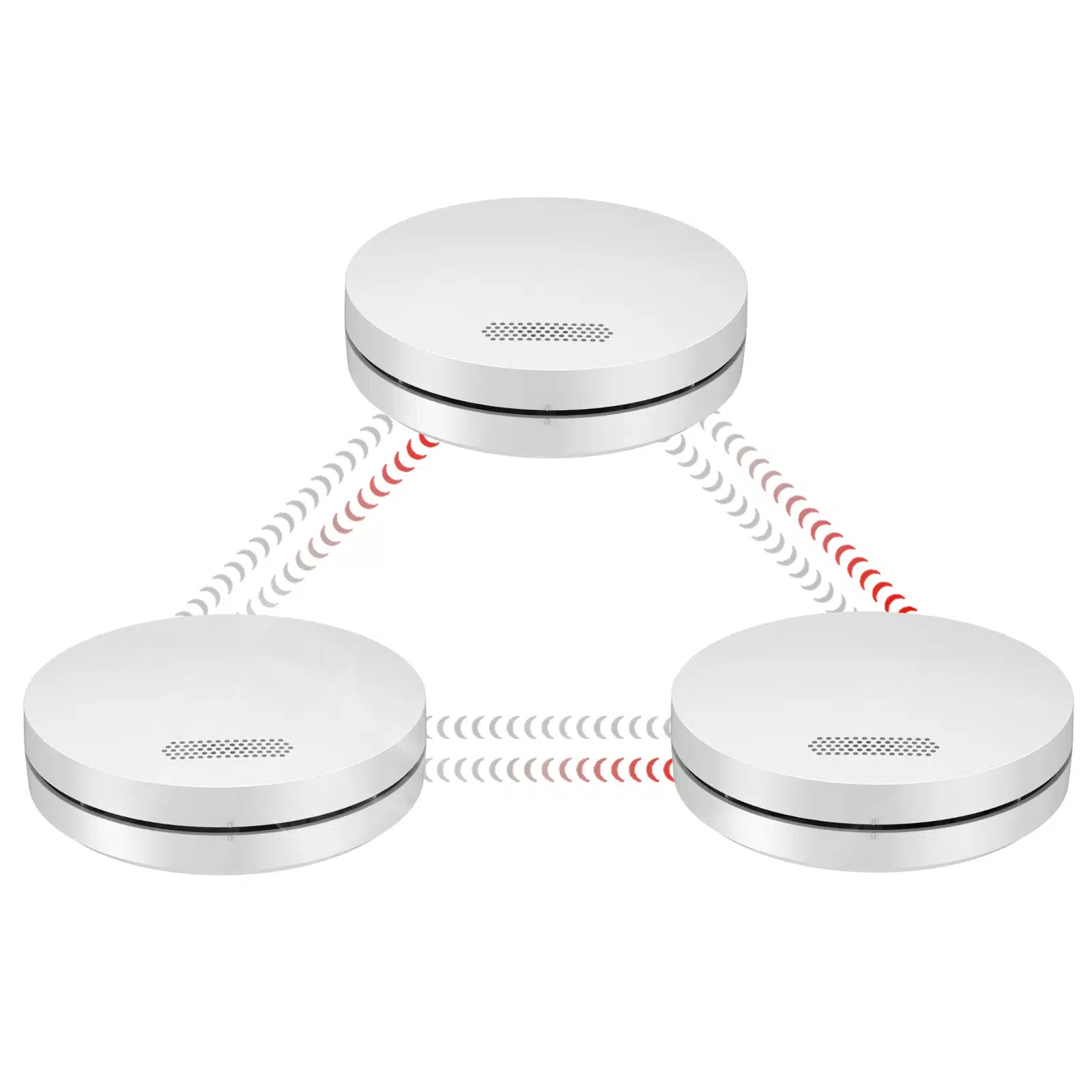
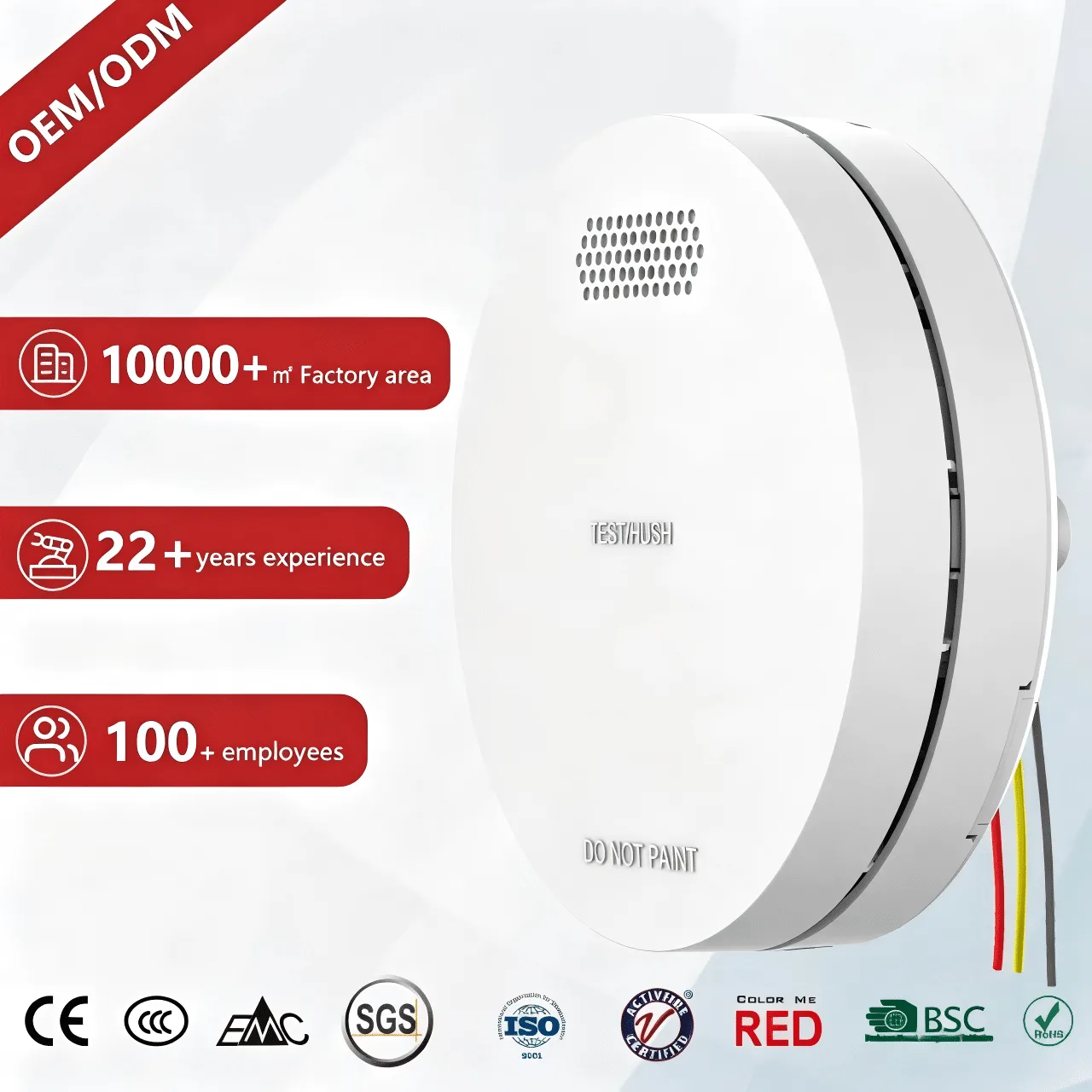
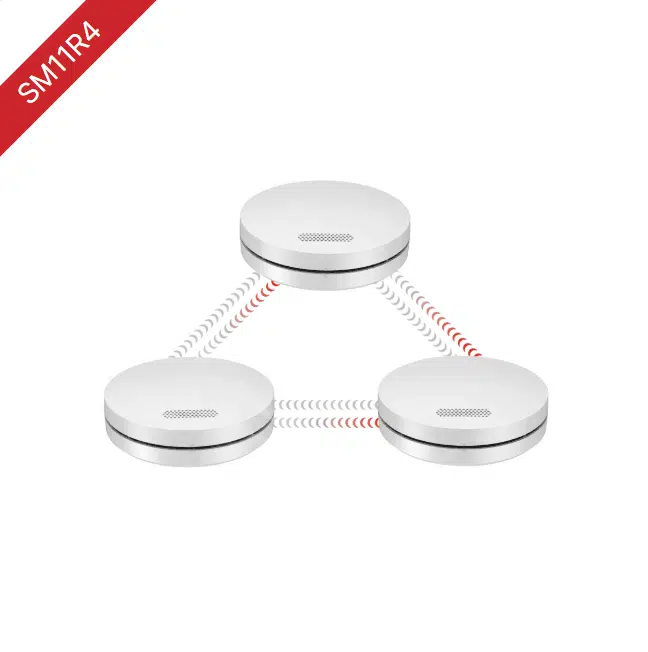
SM11R4 Wireless Interlinked Photoelectric Smoke Alarm
Lifetime: 3 or 10 years, cuztomziation avaliable