The engineering path from “understanding the principles” to “stable mass production” (UL2034 / EN50291 / UL2075) will introduce the issues and pain points that CO sensor customers care about product, technical, and supply chain.
Item | Product | Technical | Supply chain |
|---|---|---|---|
1 | Compliance with UL2034 / EN50291 | Stable supply | |
2 | Alarm consistency | Availability of calibration data | Certification experience |
3 | Traceability | Delivery on time |
As an alarm system solutions OEM/ODMmanufacturer with over 20 years of experience, CFS will analyze the root causes of each customer’s pain point and provide solutions.
Item | Pain Points | Root Causes | Solutions |
|---|---|---|---|
1 | False Alarms | Interfering Gases | Anti-interference Algorithms |
2 | No Alarm | Temperature Influence | Temperature Compensation |
3 | Batch Inconsistency | No Calibration | 100% Calibration |
4 | Certification Failure | Curve Deviation | Standard Algorithms |
This blog will provide a clear and concise introduction to how to design and manufacture a CO sensor, the core decision-making node of a safety system.
Why Do Most CO Sensor Projects Fail After Certification?
Why do different brands of the same “CO sensor” have such huge differences in certification pass rate, false alarm rate, and after-sales performance?
In our over two decades of working on projects for European and American OEM clients, we have repeatedly encountered the same problems:
Essentially, these problems are not about “whether CO was detected or not,” but rather that the sensor principles have not been engineered and implemented, leading to a distortion in the detection-judgment-alarm chain.
- In the EN 50291 project, approximately 30% of initial inspection failures are due to:Alarm time curve deviation (related to sensor response + algorithm coupling)
- According to OEM customer after-sales statistics, over 35% of returned products function normally after testing.The reason: users misunderstand the alarm signal (essentially related to sensor output stability and signal expression).
- In mass production, if 100% calibration is not performed, the output deviation between different batches of sensors can reach ±15%–25%, which directly leads to:
- UL2034 sampling inspection failure
- EN50291 alarm time instability
How Carbon Monoxide Sensors Actually Work
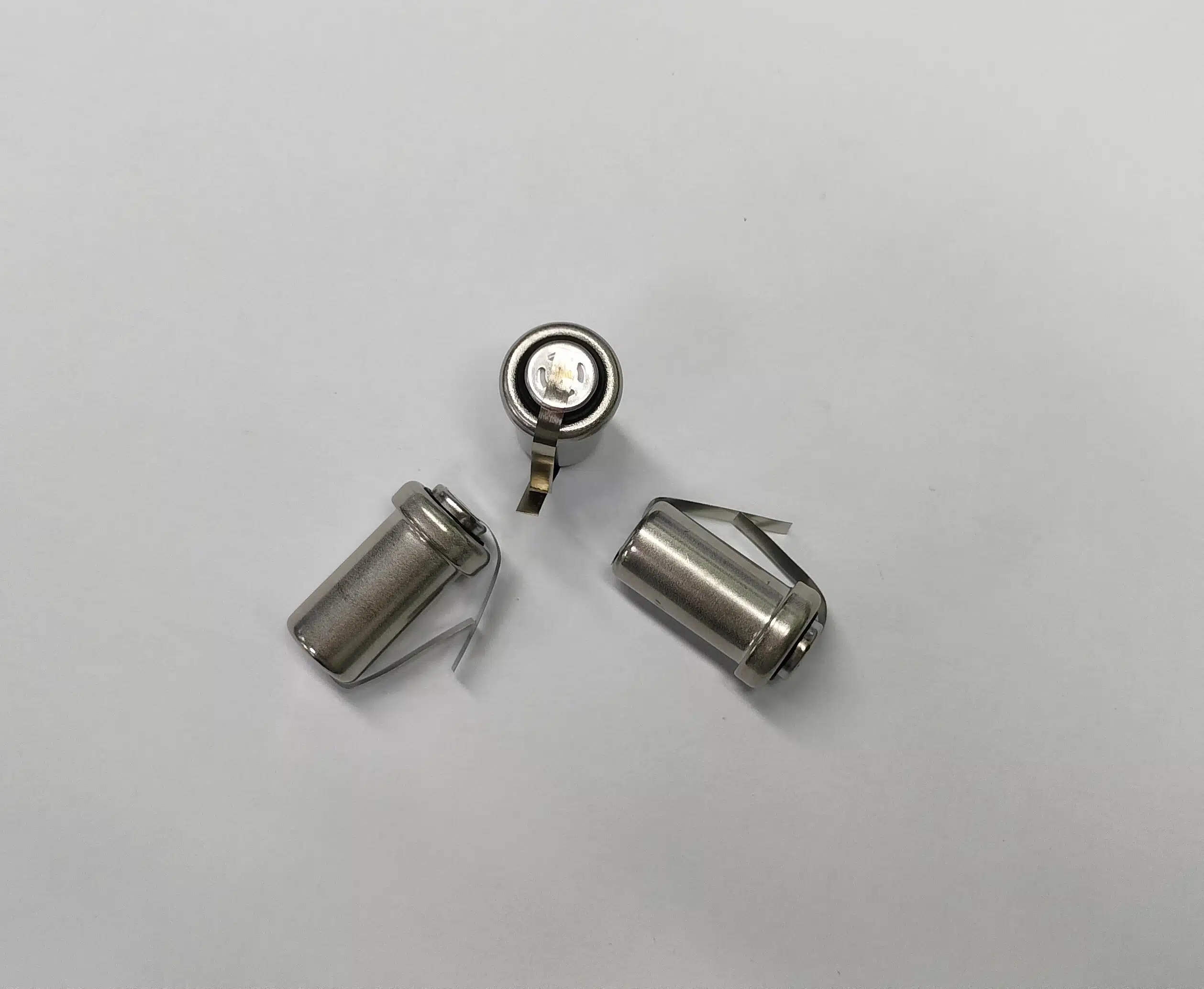
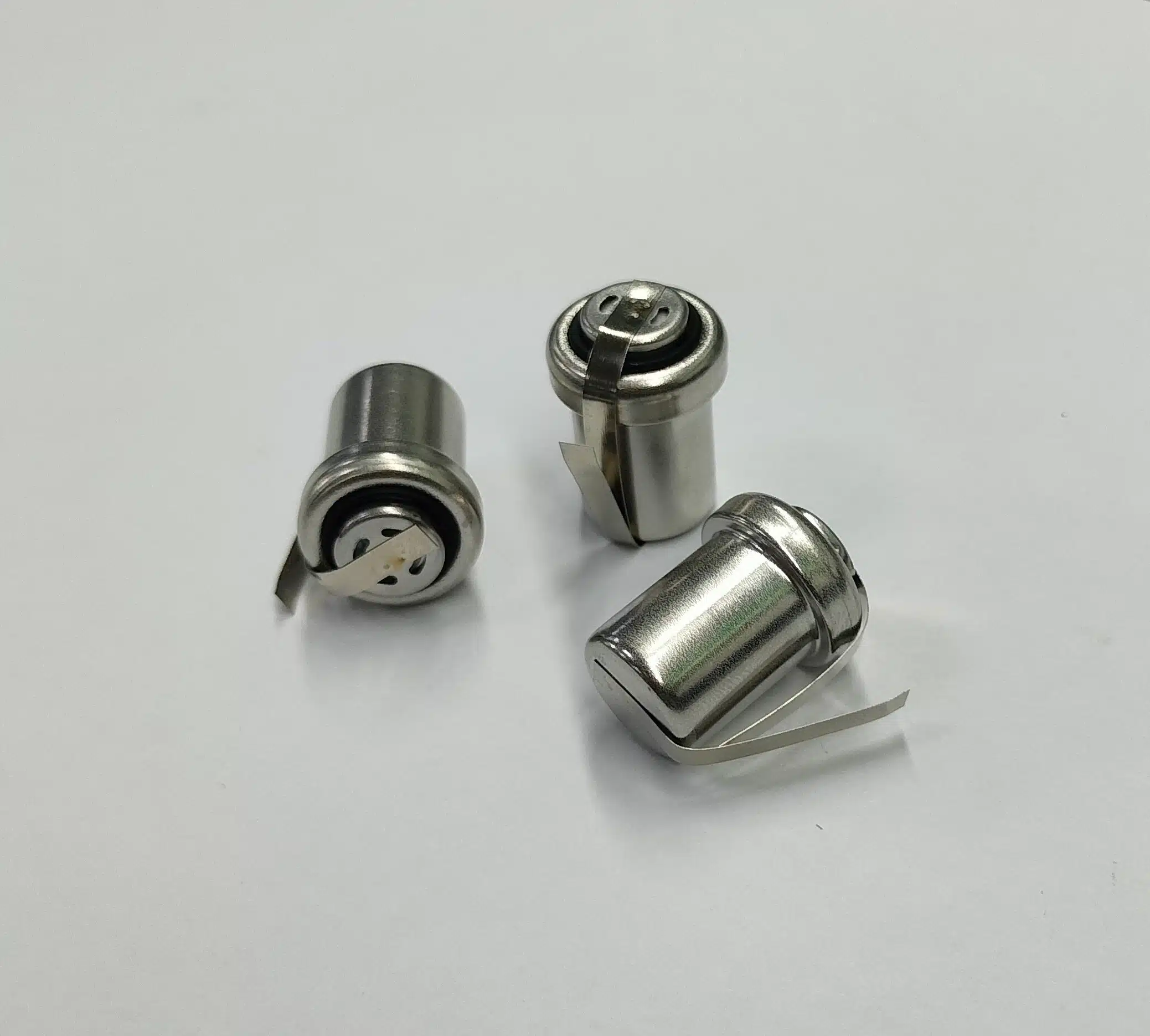
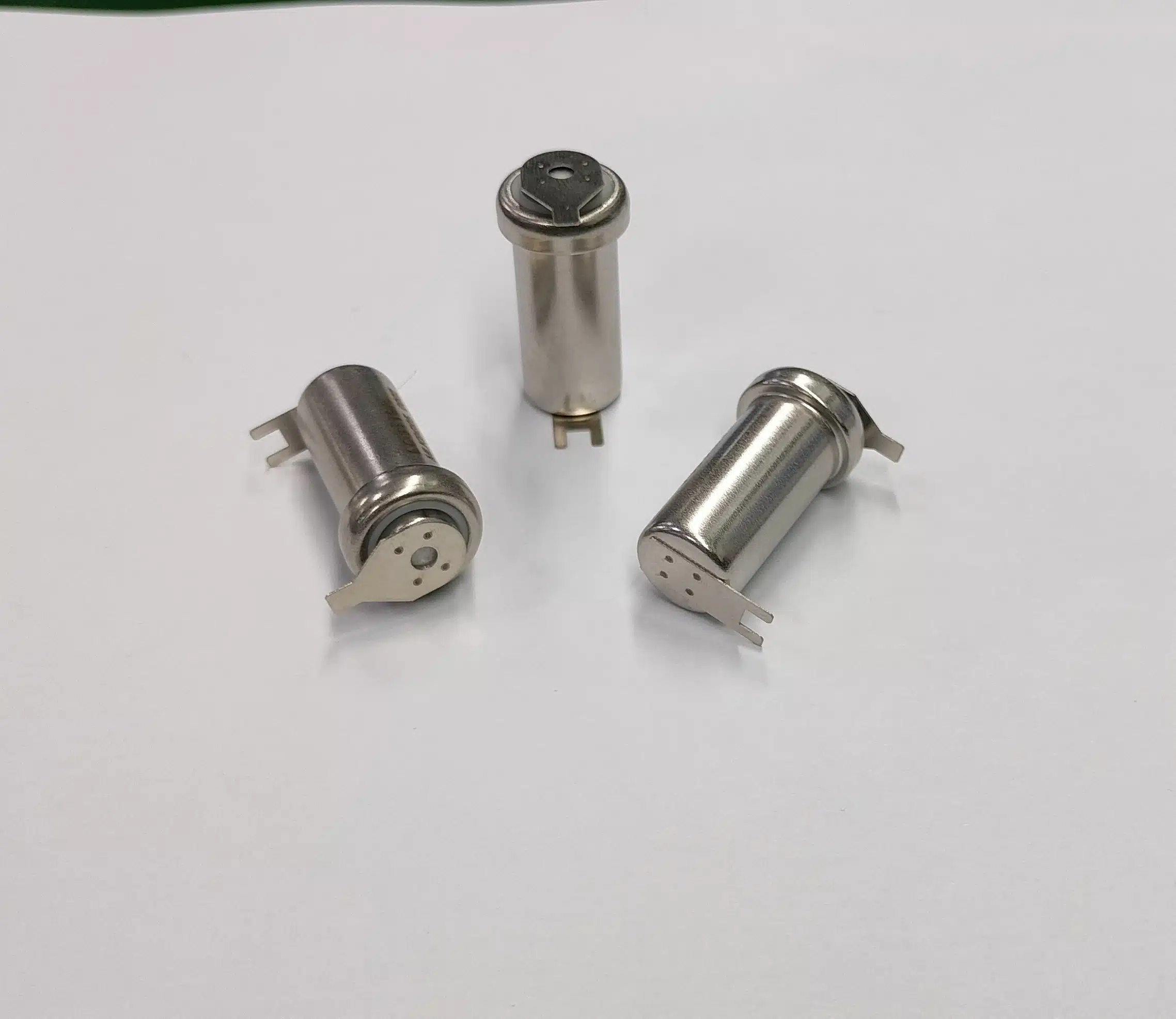
A carbon monoxide sensor is a key component for detecting CO concentration in the air and is the “heart” of a CO alarm. Common types include electrochemical, semiconductor, and NDIR infrared sensors.
Currently, most alarms on the market use electrochemical sensors. Carbon monoxide sensor working principle( ) is as follows: CO gas diffuses into the sensor → an oxidation reaction occurs at the working electrode → a microcurrent (μA level) is generated → this is converted into a concentration signal (ppm).
You also get the structure and producing about CO sensors for the link: How to Design Performance-Stable CO Sensors
How does a CO detector work?
The electrochemical CO alarm principle is like that of a smoke alarm. The two are essentially the same: Sensing → Signal → Judgment → Alarm
If you also are interested in smoke alarm working principles, you can read more about smoke alarms.
UL2034 vs EN50291 vs UL2075 – What Really Matters?
Many OEM customers focus on “certification” and “price,” but neglect the “sensor principle” and how a CO sensor works, which affects the entire project process and even its success. There are four common misconceptions.
1. Treating sensors as “independent components” rather than “system cores.”
Many purchasing or product managers only focus on:
But they overlook:
Sensors are merely “signal sources,” but the true determinant of performance is “system design”.
2. Ignoring the standard requirements for the “time-concentration relationship”
For example, CO Concentration Alarm Time of UL 2034
This means:
It’s not “alarm as soon as detected,” but rather “alarm according to the time curve.”
Similarly, EN 50291 requires:
This places extremely high demands on sensor response and algorithmic control from electrochemical CO sensor principle.
3. Ignoring environmental variables (temperature/humidity / interfering gases)
Especially in EN 50291:
Without a compensation mechanism, the sensor output will be severely offset. CFS considered the impact of environmental variables during the product design phase and conducted relevant tests.
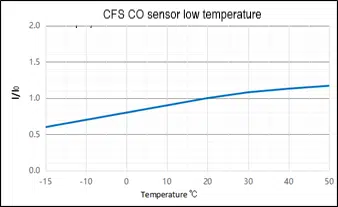
CFS CO sensor low temperature test
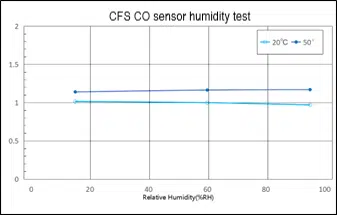
CFS CO sensor humidity test
This is the sensor’s sensitivity to different gases.
| Gas | PPM | Equivalent amount of CO | |
| Hydrogen (H2) | 1000ppm | <350ppm | |
| Methane (CH4) | Heptane | 1000ppm | <30ppm |
| Butane | Isopropanol | ||
| Ethanol (C2H6O) | Freon R22 | ||
| HMDS (silicon vapor) | Acetone | ||
| Toluene | Cyclohexane | ||
| Trichloroethane | Carbon dioxide (CO2) | ||
| Nitrogen dioxide (NO2) | Ethylene | 200ppm | <30ppm |
| Formaldehyde | Ammonia (NH3) | ||
| Xylene | Sulfur dioxide (SO2) | ||
| Acetic acid | Ethyl acetate | ||
| Acetylene (C2H2) | 200ppm | <300ppm | |
If you want to know more about CO sensors, please contact CO sensor experts.
4. Treating “laboratory pass” as “mass production stability” is misleading.
UL2075 (system-level CO testing) emphasizes that long-term stability and system reliability are more important than a single test. However, many factories lack:
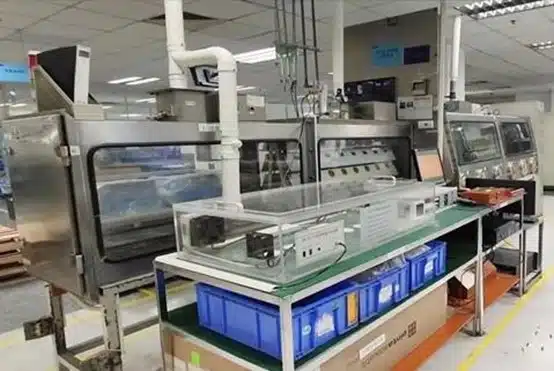
How to Build a Stable CO Detection System (OEM Solution)
Based on our experience with UL2034, EN50291, and UL2075 projects, design and manufacturing, we have shipped a total of 1,000,000 CO sensors. We recommend that OEM/ODM customers start from the following four aspects during the design phase.
1. Correct Sensor Selection
Please choose a mainstream electrochemical sensor(https://customfiresecurity.com/product-type/co-sensor ). Its main advantages include:
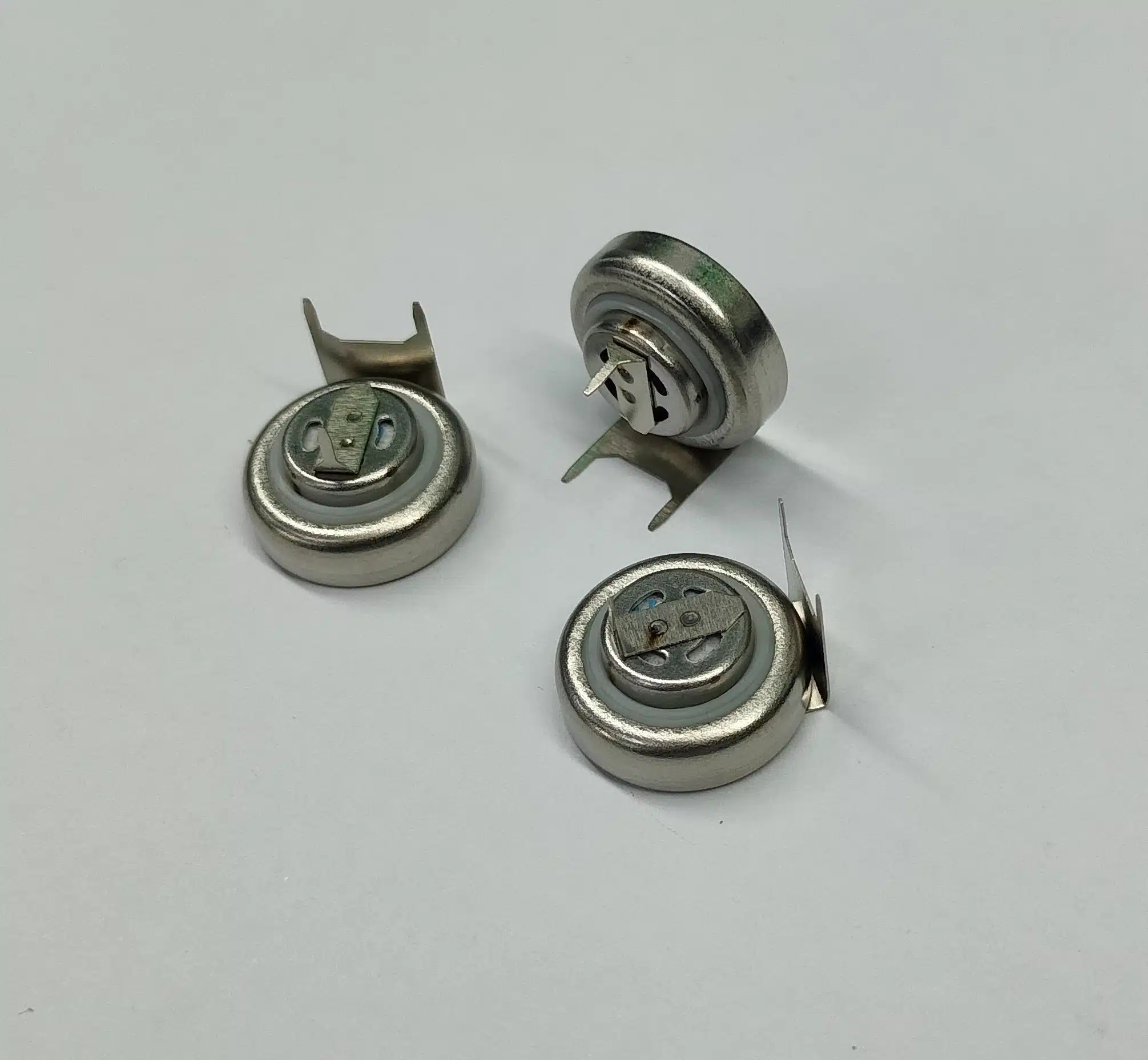
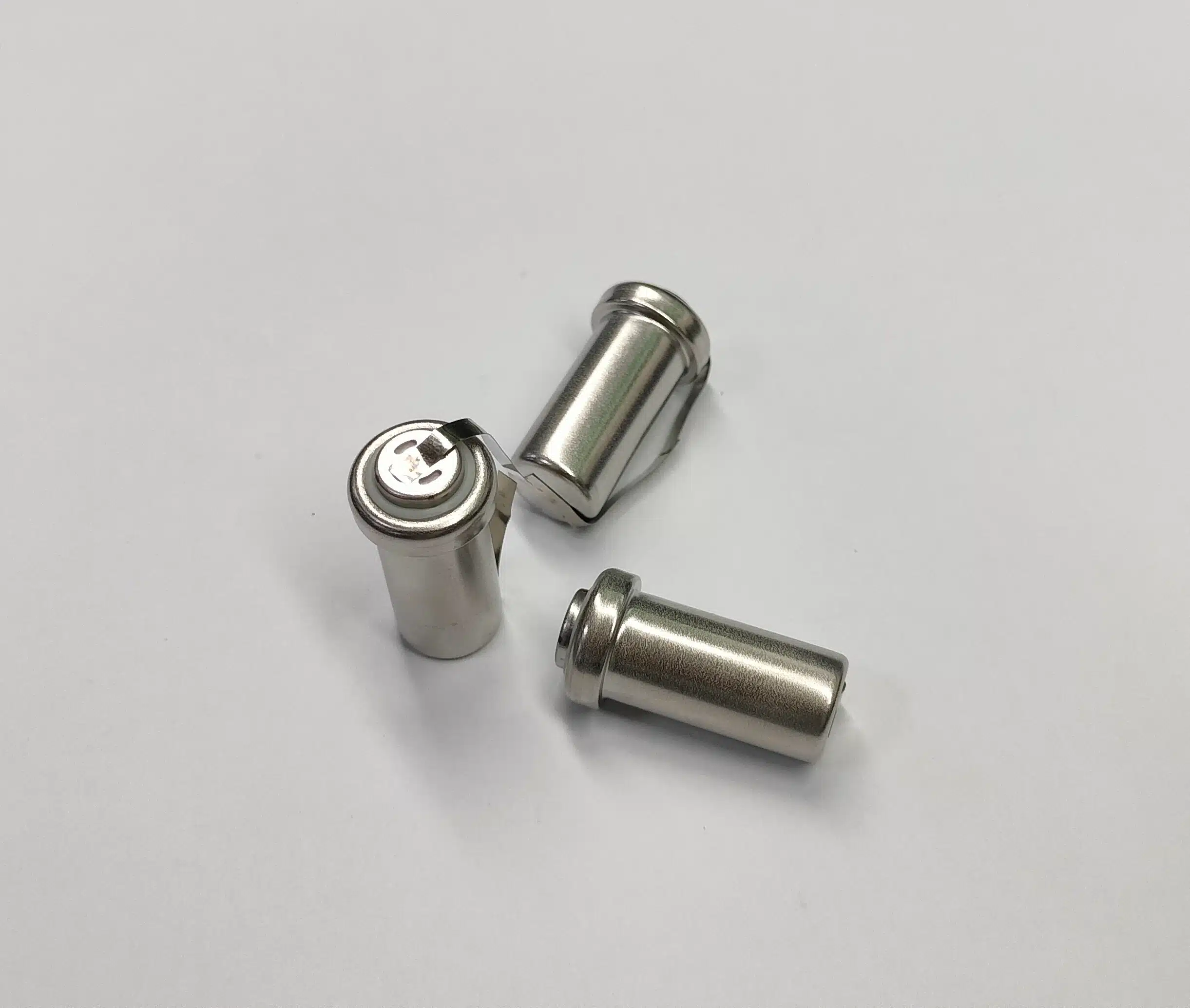
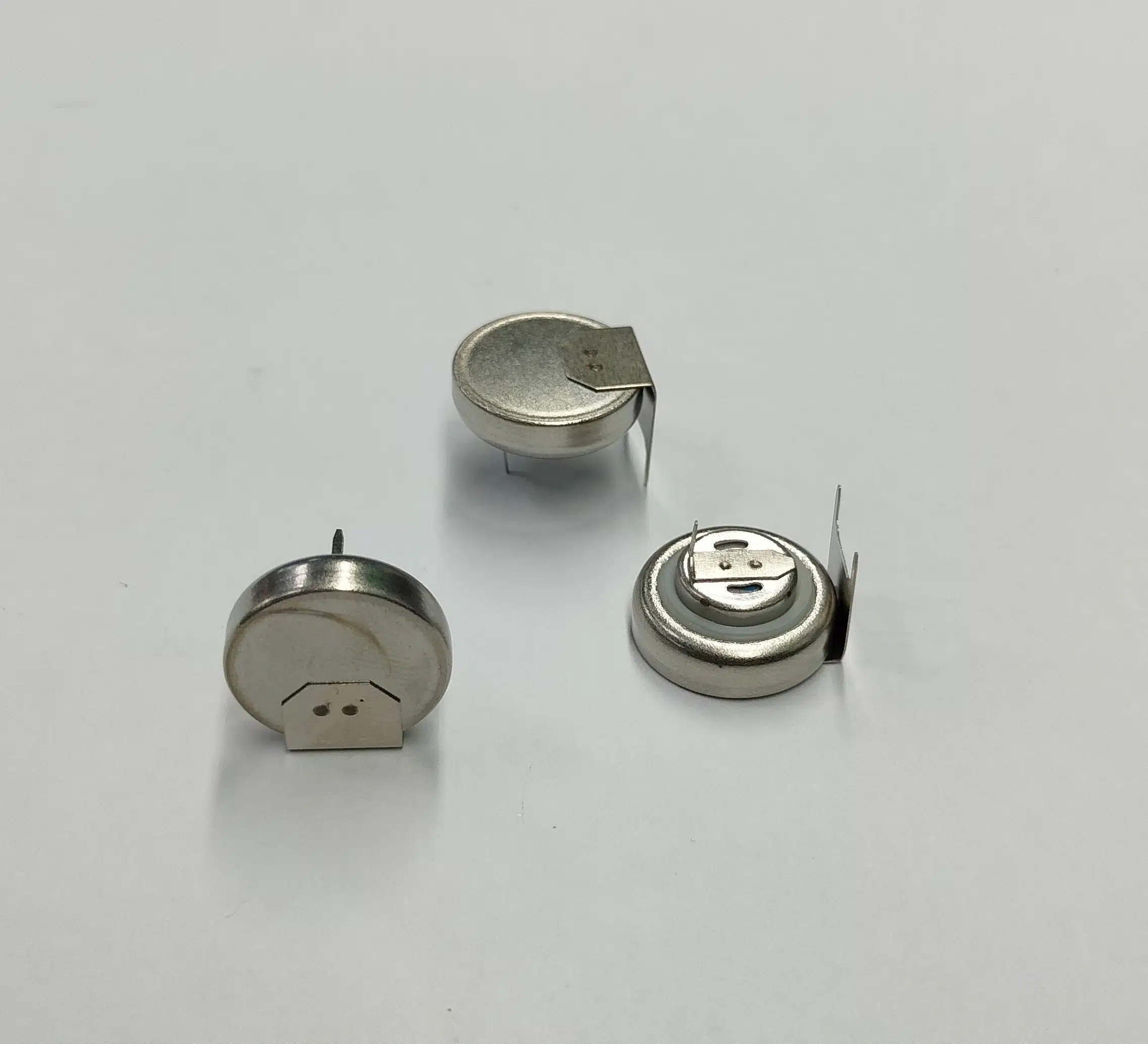
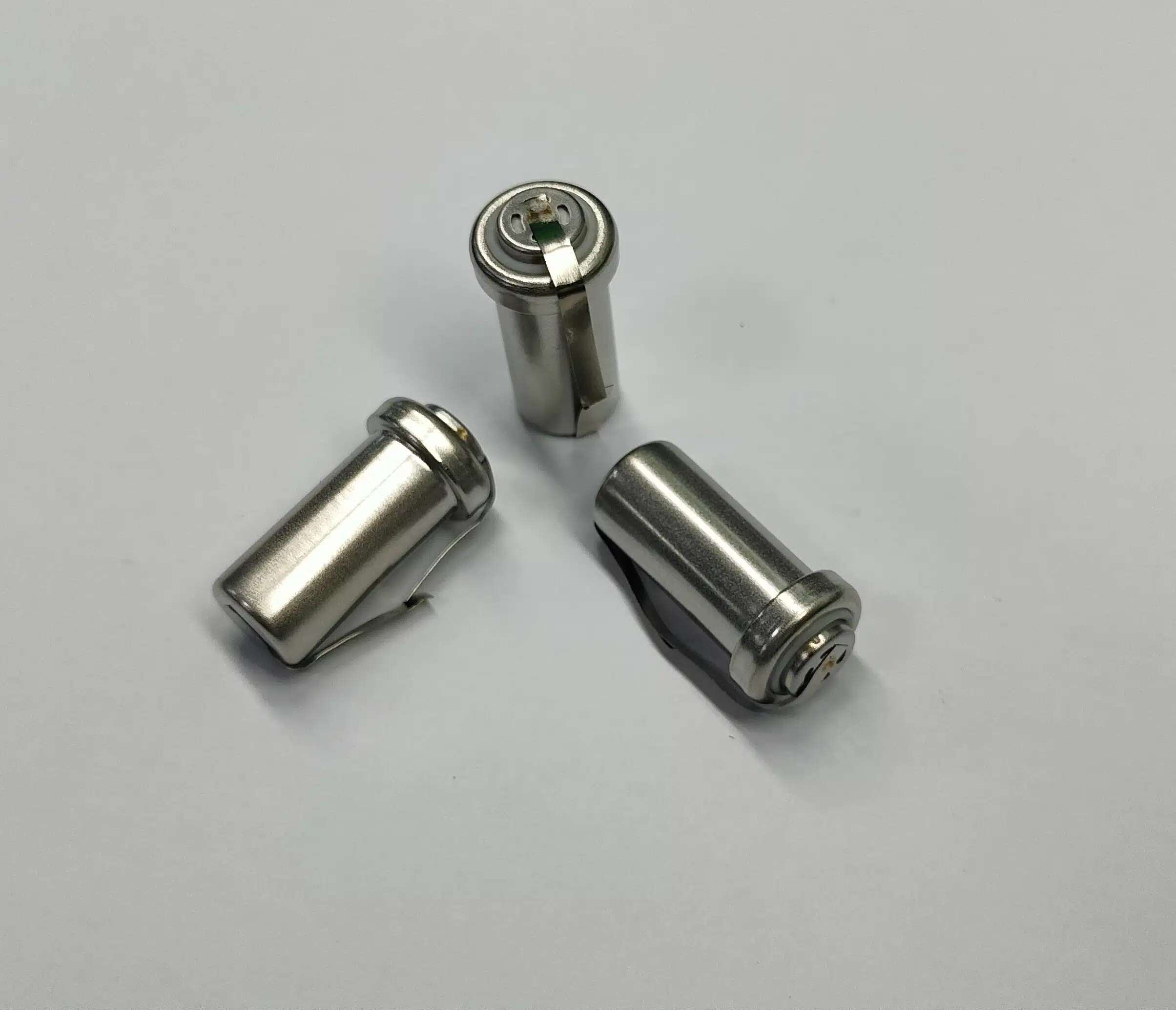
CFS offers BMS Dedicated (Energy Storage), hard-foot, and small-foot Fuel Cell CO Sensors, ranging in size from 5-50mm.
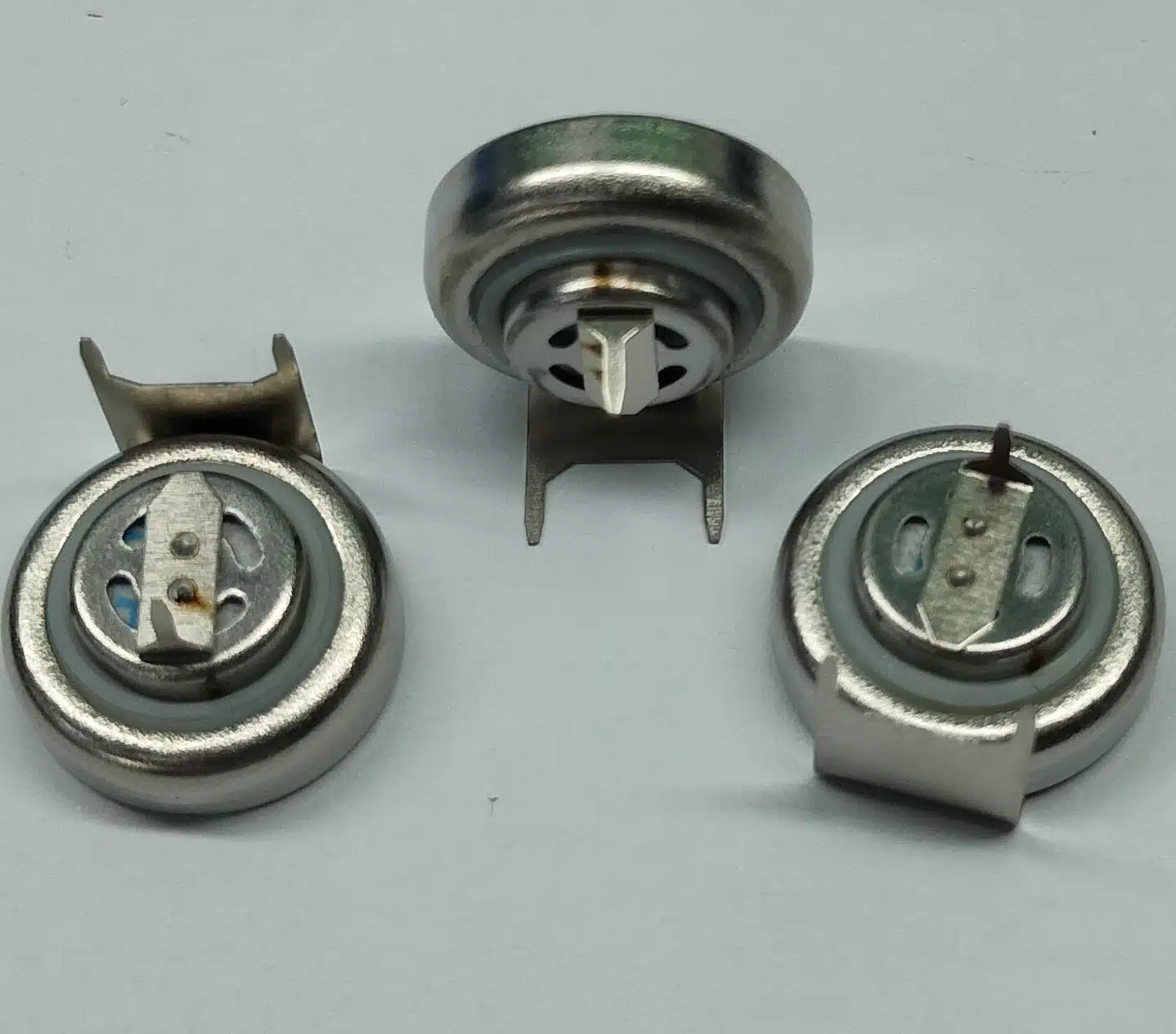
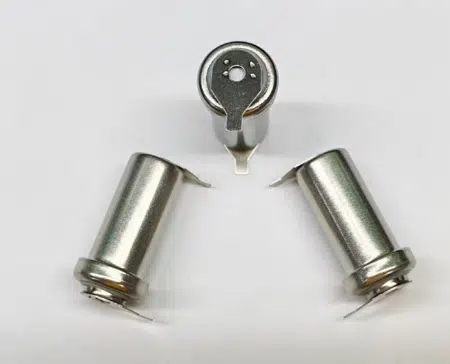
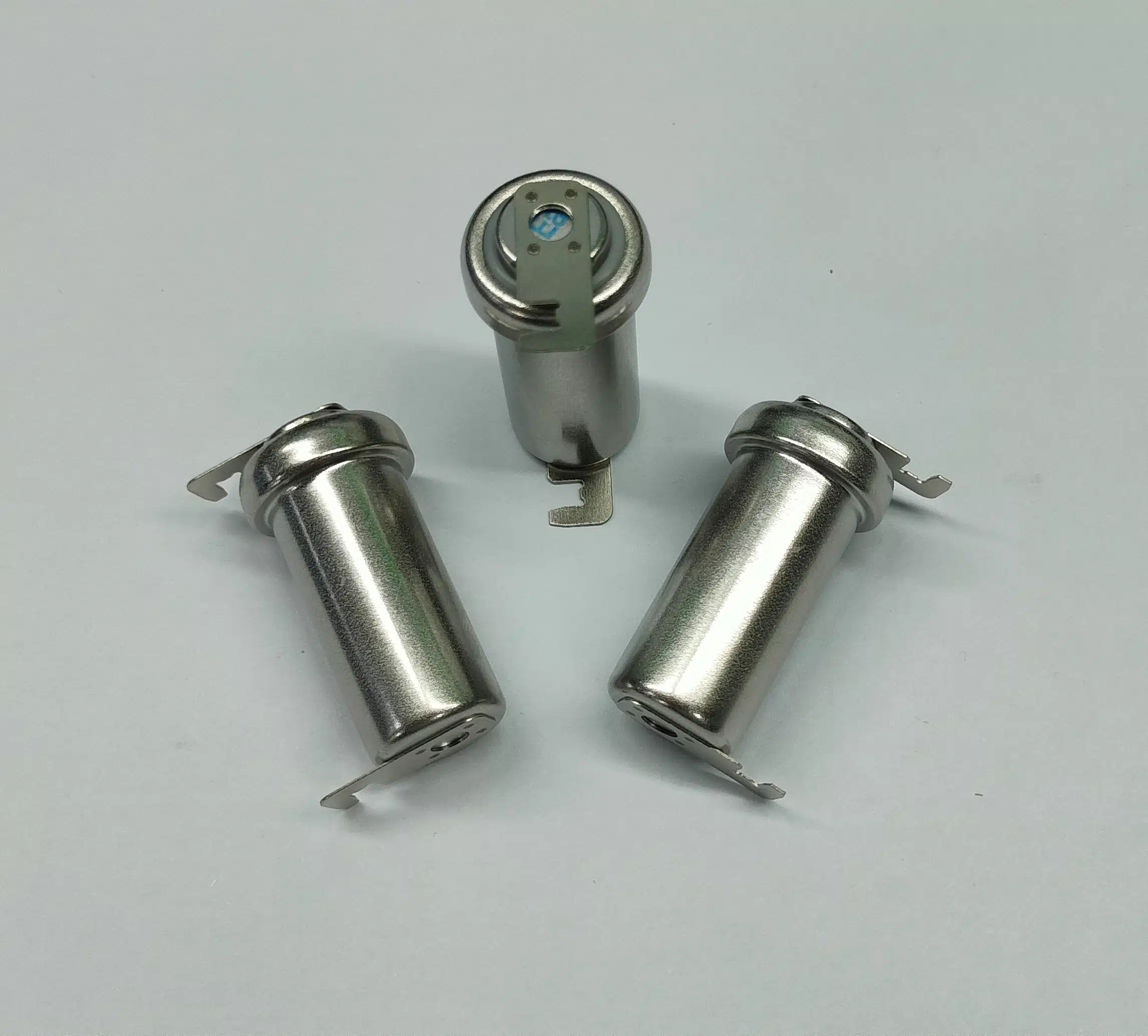
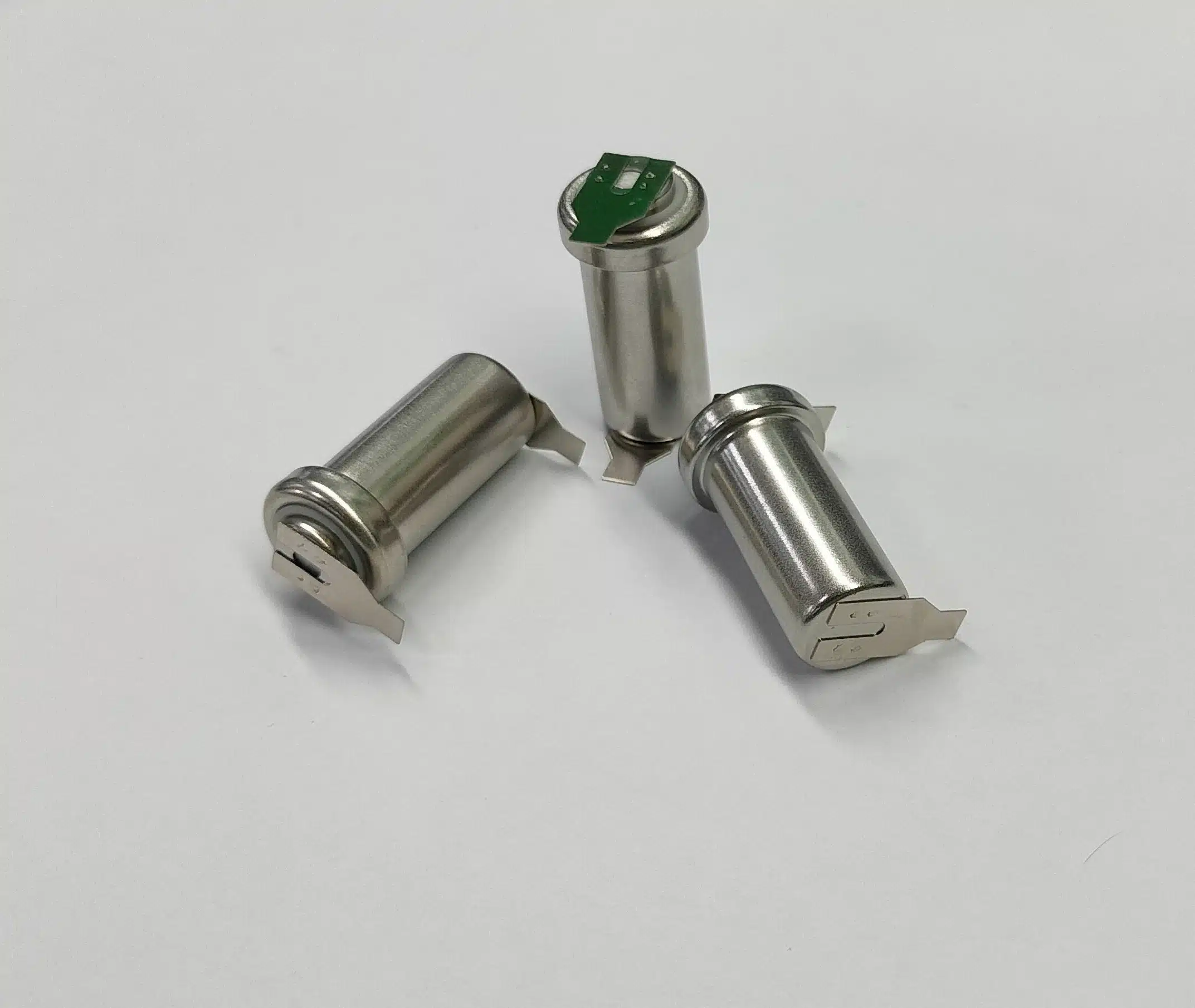
You can choose the appropriate CO sensor based on your product size and lifespan. Customization is also available to meet your requirements.
2. Signal Processing and Algorithms (Core)
Sensor Output ≠ Alarm Logic
The following must be added:
For example: In UL2034:
They must be implemented algorithms, not hardware itself.
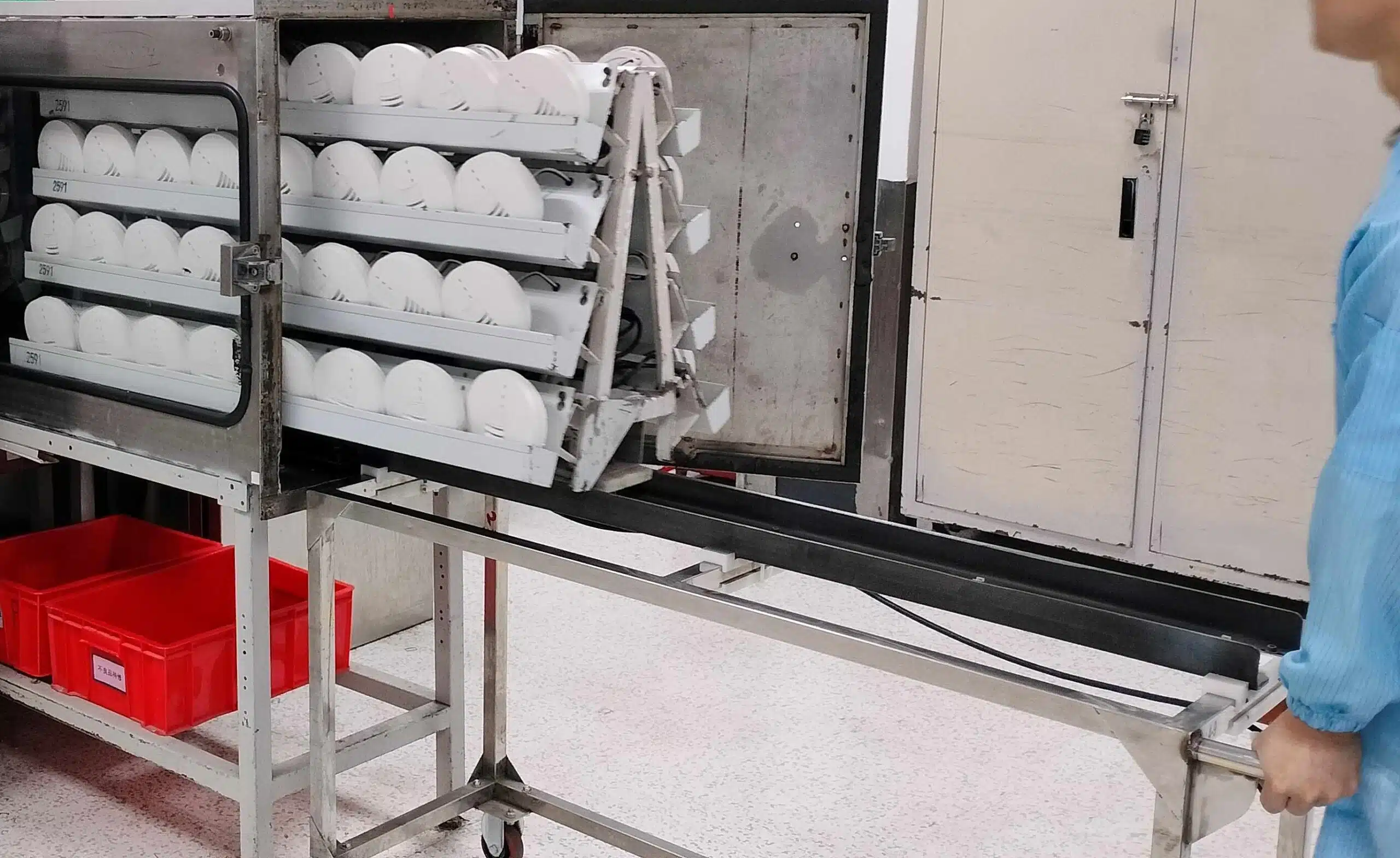
3. Calibration and Consistency Control (Critical to Production)
Without calibration, there is no stability.
The following must be achieved:
Otherwise:
4. Lifecycle Control (UL2075 Focus)
Includes:
UL2075 emphasizes that the system must remain stable during long-term operation.
CFS considered the impact of environmental variables during the product design phase and conducted relevant tests.
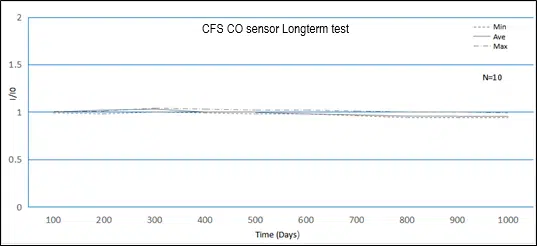
CFS CO sensor Longterm test
CFS is one OEM CO sensor manufacturer for over 20 years; they can provide custom CO sensor solutions, CO sensors for BMS systems, and industrial CO detection modules. If you have any ideas or projects, please contact the experts now.
Case Study – From Failed EN50291 to Stable Mass Production
A European OEM customer, previously using a low-cost solution:
Problems:
Optimization Solution:
Results:
Summary
A qualified CO alarm must simultaneously meet the following requirements:
For OEM customers, the focus when selecting a supplier should not be:
but rather:
If you also have some confusion about why CO alarm false alarm, CO detector not detecting carbon monoxide, the difference between UL2034 and EN50291 and how to calibrate CO sensor, please contact CFS now. We give you some solutions.
Start Your Custom CO Sensor Project
- Get a Free Technical Evaluation
- Receive Certification Risk Checklist
- Discuss Your OEM Requirements
FAQ
Related Products