-over 20 years of OEM/ODM experience, professional solution
CFS is a professional OEM/ODM manufacturer of smoke detectors and carbon monoxide alarms and frequently receives false alarm confusion. The most reasons are dust, particulate matter, aerosols, water vapor, cooking fumes, insects, and chemical gas particles entering the smoke chamber. You can check How smoke alarms work to get the detail working principes.
This blog post explains how to prevent false alarms from 6 root causes and 6 solutions.
Six root causes for false alarms
1. Dust accounting for Over 50%
Based on market feedback over the past 20 years, dust contamination and foreign object intrusion are the primary causes of false alarms. Dust particles in the environment enter the smoke chamber and accumulate, causing continuous light scattering, which leads to the following problems:
2. Water vapor and high humidity
Water vapor particles are generally 10-50 μm in diameter. There are water vapor and high-humidity gases in bathrooms, laundry rooms, kitchens, and tropical climates. The photo LED easily receives scattered infrared light from water vapor and water droplets in the smoke chamber, causing a signal change and triggering an alarm.
3. Cooking Smoke and Aerosols
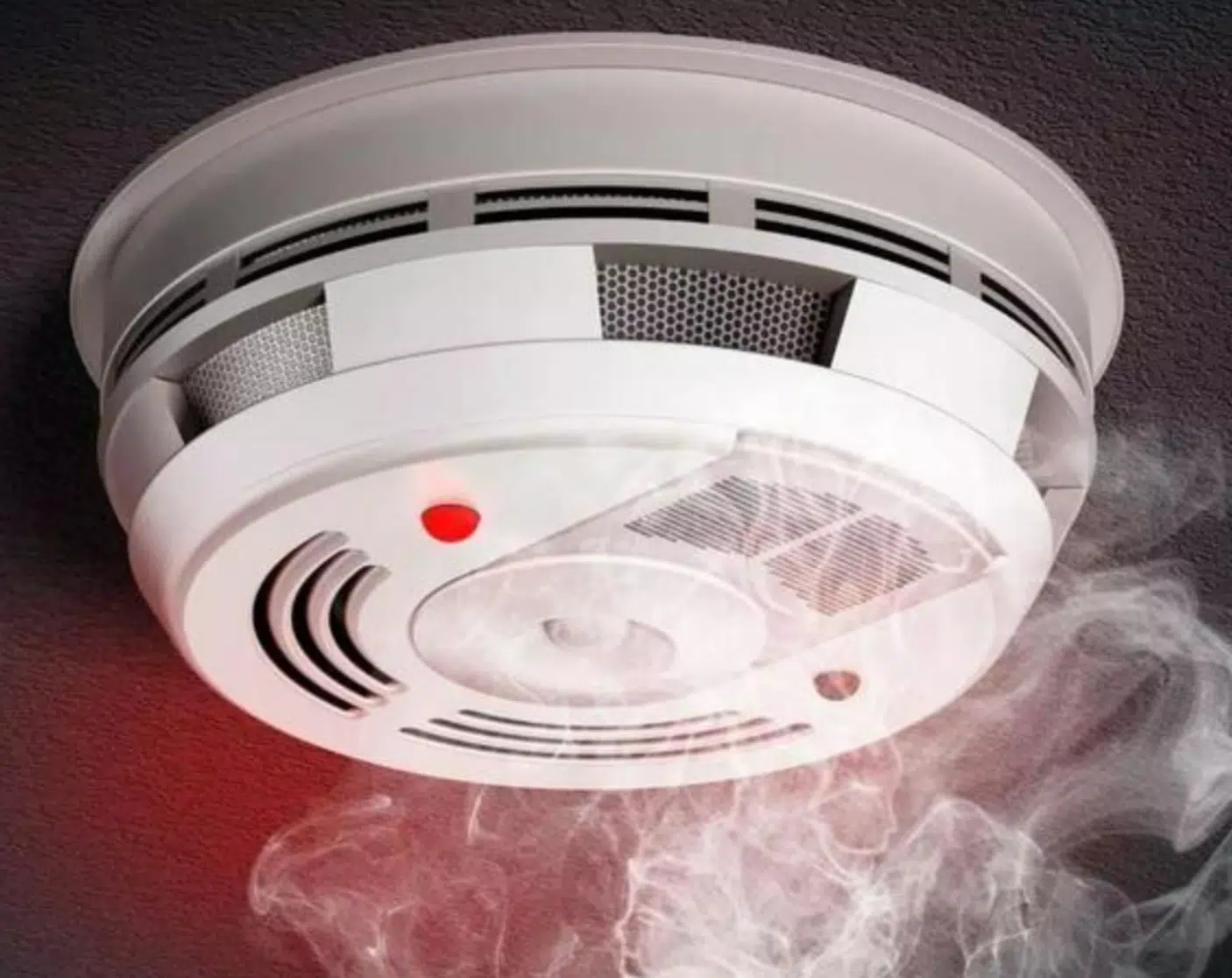
Cooking activities produce oily aerosol food smoke particles, carbonized particles, and high-humidity water vapor.
The 0.1~1μm aerosol particles are extremely similar to 0.3~10μm fire smoke particles.
4. Insects or foreign objects
Small insects such as ants, spiders, flying insects, mosquitoes, and flies can enter the smoke chamber through the opening. They are blocking or reflecting the light path, causing changes in the light path. The detector may then misinterpret these insects as smoke.
5. Installation Location
Please check the user manual before installing the smoke detector. There are different installation requirements for application areas. You should avoid the area near air conditioning vents, windows, doors, or ventilation ducts.
6. Power supply abnormalities and product quality issues:
Solutions
You can get the solution for false alarms from product design, manufacturing quality control, and user operation and maintenance. CFS has over 20 years of experience in manufacturing photoelectric smoke and carbon monoxide alarms, with rich experience optimizing the smoke chamber design to improve anti-interference capabilities.
1. Hardware

2. Software
Detects ambient humidity and temperature and uses software algorithms within the MCU to perform baseline drift compensation and humidity compensation functions.
For example, under high humidity conditions, the alarm threshold can be temporarily adjusted to prevent alarms triggered by steam.
3. Intelligent Drift Compensation
The sensor may have baseline drift due to dust accumulation or component aging over time. An automatic drift compensation algorithm continuously adjusts the baseline value in the MCU program. This ensures stable performance throughout the entire product’s lifecycle.
4. Multi-Signal Verification Algorithm
Basic detectors rely on a single signal threshold, while high-quality detectors often employ multi-level verification, including:
It can prevent short-term interference from triggering alarms.
5. Manufacturing Process Ensures Product Quality


6. Use and Maintenance
CFS can reduce false alarms by over 90% through multiple comparative verifications, improvements in product design, optimization of manufacturing process control, and advancements in usage environment and cleaning/maintenance.
Why choose CFS smoke detectors?
CFS provides professional OEM/ODM smoke alarm solutions to global clients. Our products meet international certification standards such as CE, EN14604, and UL268. With over 20 years of manufacturing experience, our smoke alarms are sold worldwide. Our smoke alarms feature:
They are helpful to ensure stable performance even in challenging environments.
FAQ
Conclusion
Based on engineering experience in the manufacturing and application of smoke detectors, most so-called “false alarms” are not equipment malfunctions, but rather normal responses triggered by the sensor detecting airborne particles with characteristics similar to smoke. Common sources of interference include kitchen fumes, water vapor, airborne dust particles, insects entering the detection chamber, or improper equipment installation. When these particles enter the sensor chamber, they cause light scattering or ionization changes similar to smoke particles in the detection system, thus triggering the alarm logic.
For product managers and purchasing managers, it is crucial to reach an industry consensus: the problem of false alarms is essentially a matter of “environmental adaptability and product design matching,” rather than a single hardware quality issue. During the product selection phase, prioritizing photoelectric smoke detectors with higher stability, combined with reasonable installation location planning, regular maintenance (such as cleaning the detection chamber and periodic equipment replacement), and mature sensor structure design, can effectively reduce the vast majority of false alarms.
From the perspective of fire safety product lifecycle management, a mature smoke detector not only needs to have high sensitivity in detecting real fire smoke, but also needs to maintain a low false alarm rate and high reliability in daily use environments through optimized sensor structure, signal algorithms, and environmental adaptability design. This is also one of the most important evaluation indicators for residential and commercial fire protection systems during the equipment selection and engineering implementation phases.
👍Contact Our Smoke Detector Experts
👍Get OEM / ODM Smoke Detector Quote Now
Related Products
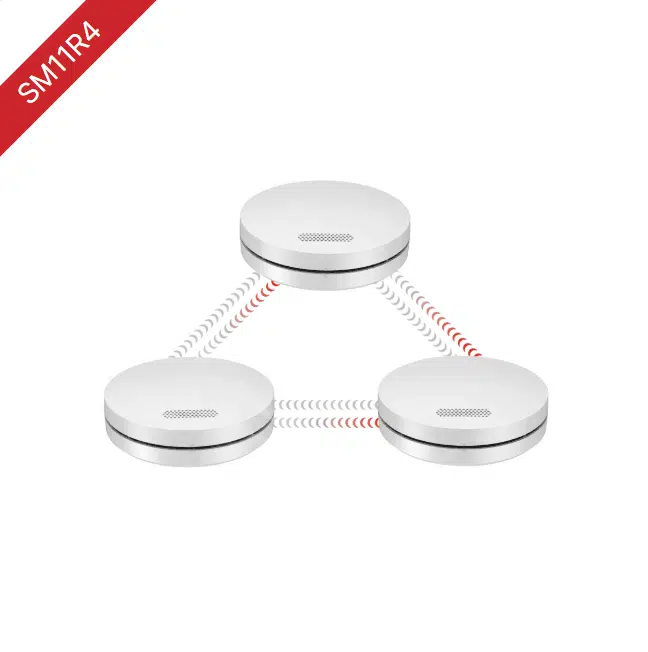
SM11R4 Wireless Interlinked Photoelectric Smoke Alarm
Lifetime: 3 or 10 years, cuztomziation avaliable