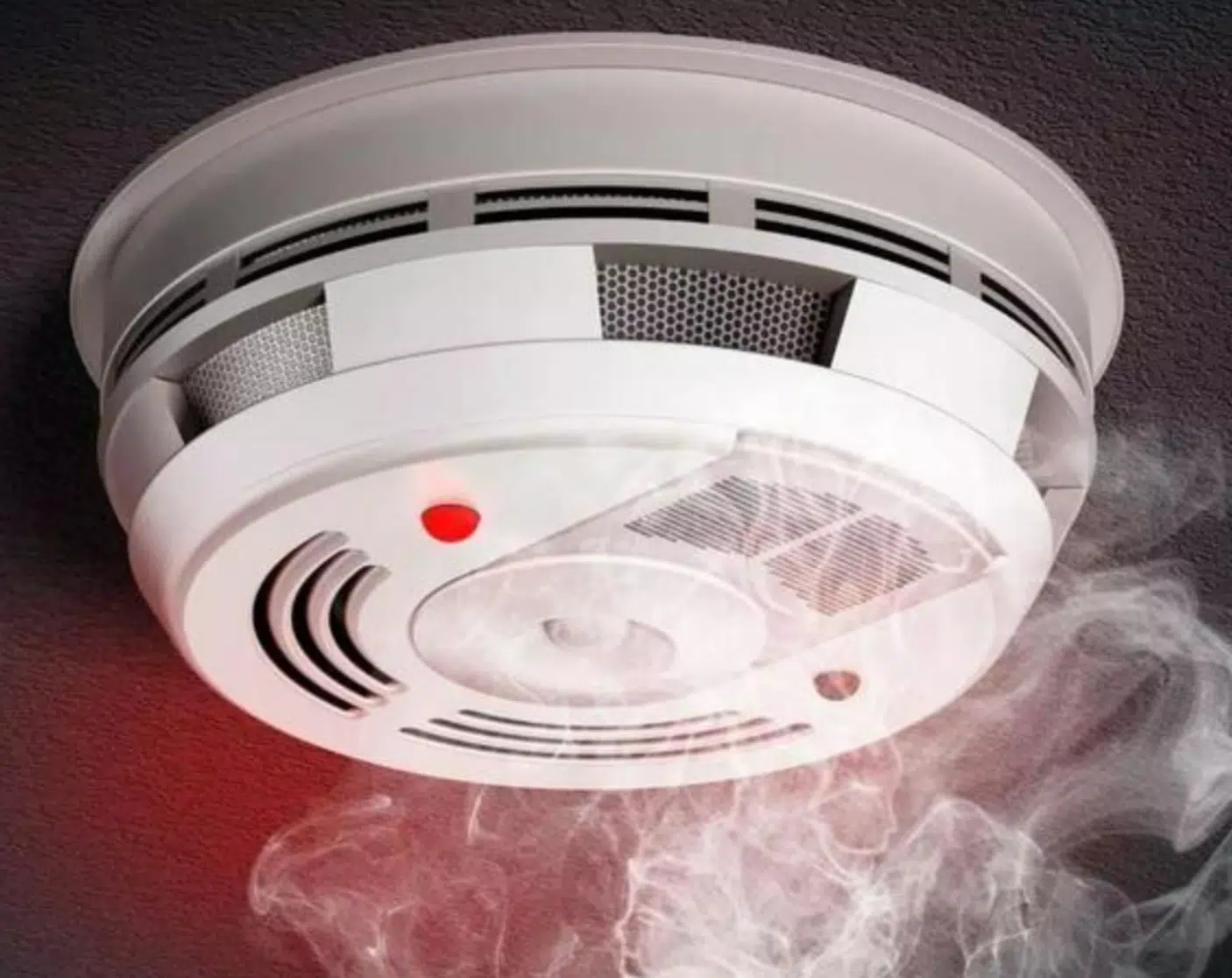
Resolving False Alarms Caused by Foreign Objects in Smoke Detectors
Anti-Interference OEM/ODM Solution for Photoelectric Smoke Detectors
Project Overview
This project addresses a critical pain point in the residential and commercial photoelectric smoke alarm industry: false alarms caused by dust accumulation or insect intrusion into the detection chamber during long-term use. In typical application scenarios—such as overseas apartments, rental properties, and small- to medium-sized commercial venues—dust buildup, flying insects, and residual debris are the primary causes of false alarms and accidental triggers, as well as the main source of post-sales issues for security equipment.
This product iteration achieves improvements without compromising detection performance. Development was driven by extensive real-world user feedback regarding false alarms and multi-scenario laboratory simulations. The project optimized five key modules within the core detection system: the detection labyrinth structure, hardware filtration, circuit sampling precision, intelligent signal algorithms, and firmware logic. The comprehensive optimization strategy spans the entire chain—including hardware physical protection, optical detection enhancements, circuit precision upgrades, intelligent software recognition, and dynamic system compensation—effectively suppressing false alarms caused by dust and insects while fully maintaining sensitivity and response speed for actual fire events.
Additionally, the firmware includes customizable ports, allowing the dynamic dust baseline compensation function to be enabled based on specific customer requirements. The product’s overall reliability and stability meet the quality standards of mainstream OEM security products, resulting in a mature, mass-producible, and highly adaptable solution for preventing false alarms in smoke detectors.
Project Info
Project Information | Details |
|---|---|
Project Name | Optimization Project for False Alarm Immunity (Dust & Insects) in Smoke Alarms |
Project Timeline | June 2025 |
Project Type | OEM/ODM Iterative Upgrade for False Alarm Immunity in Photoelectric Smoke Alarms |
Product Type | Standalone Photoelectric Smoke Alarms (Residential & Commercial) |
Target Markets | Overseas homes, apartments, vacation rentals, rental properties, and small commercial premises |
Collaboration Model | Collaborative development and mass production implementation covering mechanics, circuitry, algorithms, and firmware |
Deliverables | Optimized prototypes, test reports, mass-production firmware, and parameter specifications |
Key Upgrade Components | 6 Major Modules: Dust/insect-proof filter structure, optical path optimization, sampling circuit tuning, anti-interference algorithms, dust baseline self-compensation, and manufacturing/transportation process optimization |

Client Requirements
The client is from Queensland, Australia, and their products are widely installed in Australian apartments, rental properties, and small commercial premises. 5.6% of end-user feedback reported frequent false alarms caused by dust accumulation and insects entering the detection chamber.
The client established clear, rigorous requirements for a dual-approach optimization:
First, through a combination of hardware structural modifications and algorithmic upgrades, the solution must physically prevent insects from entering the detection labyrinth and mitigate interference from long-term dust accumulation, thereby eliminating false alarms in the absence of fire.
Second, none of the optimization measures may compromise detection sensitivity or alarm response standards regarding actual fire smoke; the device must maintain full compliance with fire safety performance requirements, ensuring zero risk of missed or delayed alarms.
Simultaneously, the performance, operational stability, and durability of the updated product must fully align with the quality standards of top-tier OEM security products.
Scope of Customization
1. Upgrade to the detection chamber’s dust- and insect-proof filter structure
The air intake protection structure has been optimized, and the high-density protective filter has been upgraded. The filter allows smoke particles to pass through while reliably blocking dust, insects, and other foreign objects from entering the detection chamber, thereby mitigating the physical root causes of false alarms. The filter’s dimensional precision and pore specifications meet OEM requirements for automated mass production and integration; the design balances protection with smoke intake efficiency, ensuring that excessive shielding does not compromise the response to actual fire incidents.

CFS Photoelectric smoke chamber net cut

2. Optimization of the Internal Labyrinth Optical Path Structure
The internal optical layout has been improved, and conductive materials are used to integrate the labyrinth’s robust plastic housing into the circuit, allowing continuous dissipation of static electricity and effectively eliminating interference caused by static-induced dust adhesion and residual impurities on the infrared scattering path.
-
CFS Photoelectric smoke chamber net

3. Hardware Signal Sampling Circuit Adjustments
Circuit sampling parameters have been fine-tuned to improve signal acquisition accuracy and stability while mitigating environmental noise interference. Multi-angle light scattering measurement technology is employed to provide cleaner, more reliable raw signals for algorithmic recognition, thereby boosting the signal-to-noise ratio at the hardware level.
4. Development of Anti-Interference Signal Recognition Algorithms
A proprietary intelligent recognition algorithm has been developed to accurately distinguish between valid smoke signals and transient, anomalous interference caused by dust or insects. The algorithm differentiates between the gradual signal changes characteristic of smoke and the sudden, transient spikes caused by insects or dust, thereby avoiding reliance on a single trigger threshold and reducing the likelihood of false alarms unrelated to fire incidents. Similar AI-based algorithmic solutions have achieved a false alarm elimination rate of over 90% in industry applications.
5. Development of Firmware-Based Dust Baseline Self-Compensation Logic
A dynamic baseline compensation routine has been introduced to automatically correct signal drift caused by long-term dust accumulation. The optical sensor continuously monitors for minute changes in dust levels and automatically recalibrates the alarm trigger threshold as needed, tolerating twice the dust contamination level of conventional optical detectors and ensuring long-term detection accuracy. Customers can also enable or disable this feature.
6. Manufacturing Process Optimization and Transport Protection
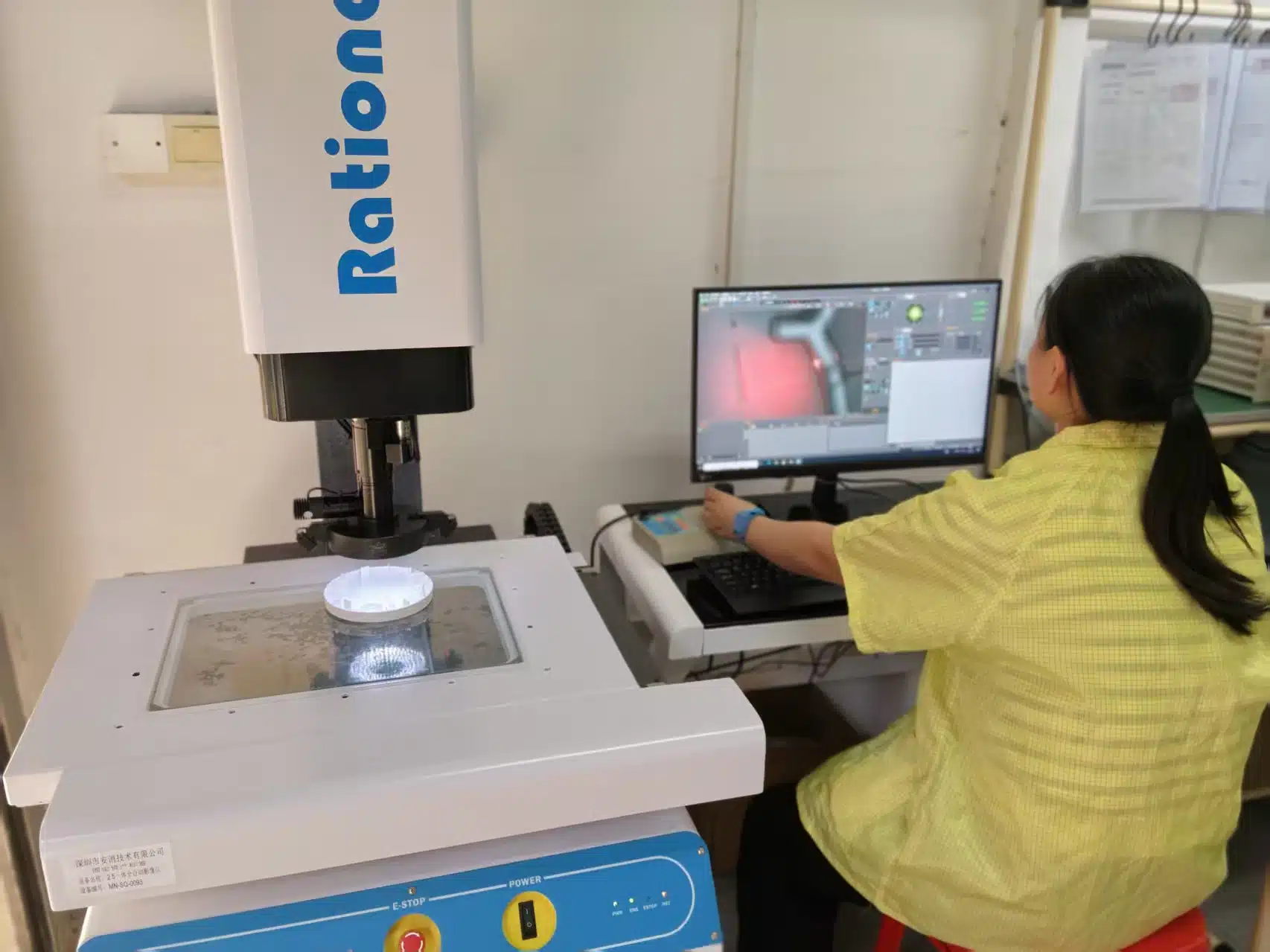
The optical labyrinth undergoes a mandatory 100% cleaning and drying process prior to use to eliminate any contamination acquired during production or transit. Assembly takes place in a cleanroom environment, with personnel wearing finger cots and anti-static cleanroom suits throughout the process. Upon completion of assembly, each labyrinth is fitted with a dust cap before leaving the cleanroom; this cap remains in place until the final product assembly stage. The assembled units are sealed in plastic bags prior to final packaging to prevent dust or foreign objects during transportation.


Pain Point
The primary technical challenge in this product optimization—and a common dilemma across the photoelectric smoke detector industry—is balancing two competing requirements: exceptional fire-detection sensitivity and robust resistance to environmental interference.
During the optimization process, any deviation in hardware structure, circuit parameters, or algorithmic logic can lead to serious issues. Excessive protection or overly aggressive algorithmic filtering may mask faint signals from actual smoke, thereby compromising fire detection capabilities and creating safety risks. Conversely, insufficient protection or lax recognition algorithms fail to suppress interference from dust and insects, leaving the false alarm problem unresolved.
Therefore, the comprehensive five-component optimization strategy requires strict alignment of logic, parameters, and performance across the structure, circuitry, and algorithms. Only through this integrated approach can the challenge of false alarms caused by environmental interference be thoroughly resolved without compromising safety performance.
Solution
This project is grounded in the collection of vast amounts of user-reported false-alarm samples, the accumulation of long-term home-environment data, and laboratory simulations involving dust buildup and insect interference. The device’s detection system is broken down into three dimensions—structure, hardware, and algorithms—and optimized through the synergy of five core components.
Regarding structure, the air intake protection for the detection labyrinth and the internal optical path have been upgraded. High-density dust- and insect-proof mesh, combined with optimized light-shielding ribs and scattering paths, physically minimizes the entry and adhesion of insects and large dust particles. The metal mesh design allows smoke particles to pass through while reliably blocking dust, insects, and foreign objects, all while meeting OEM manufacturing compliance and automated mass-production integration requirements.
In terms of hardware, sampling circuit parameters and filtering designs have been adjusted to improve the signal-to-noise ratio, enabling the differentiation of genuine smoke signals from interference signals at the acquisition stage. Multi-angle light scattering measurement technology is employed alongside a dual-wavelength strategy to enhance particle recognition capabilities.
At the algorithmic level, anti-interference recognition logic has been developed to distinguish between slowly changing smoke signals and the instantaneous spikes caused by insects or dust, thereby avoiding triggers based on a single threshold. The algorithm can distinguish genuine fire smoke from interference signals caused by dust and insects; similar solutions have already demonstrated significant success in suppressing false alarms in the industry.
Regarding firmware, dynamic dust baseline compensation has been implemented, allowing the device to automatically correct baseline drift based on long-term dust accumulation trends and maintain a stable detection baseline.

CFS Photoelectric smoke chamber assembly
The validation phase involves multi-scenario simulation testing that covers dust accumulation, insect intrusion, spiderweb interference, response to real smoke, and long-term static drift. The core testing principle is to significantly suppress non-fire false alarms without compromising sensitivity to real fire smoke or alarm response standards. Following completion of the solution, small-batch trial production is conducted to confirm full compatibility with existing production lines in terms of physical dimensions, installation interfaces, power supply methods, and assembly processes.
Final Result
Following the synergistic optimization of five key components, along with multiple rounds of laboratory simulation and small-batch trial production verification, the project has achieved its intended goals:
False Alarm Suppression:
False alarms triggered by non-fire events—such as typical dust accumulation, insect intrusion, and spiderweb interference—have been significantly reduced. The combined effect of algorithmic filtering and structural protection effectively distinguishes genuine smoke signals from environmental interference, drastically reducing false alarms.
Sensitivity Maintenance:
Sensitivity to real fire smoke and alarm response standards remain unchanged; the anti-interference optimizations do not compromise performance or introduce risks of missed or delayed alarms. The entire solution strictly adheres to the core principle of “not sacrificing safety performance.”
Mass Production Compatibility:
The product’s physical dimensions, mounting interfaces, and power supply methods remain completely unchanged. It is 100% compatible with existing installation environments and mass-assembly production lines. No retooling is required, significantly reducing iteration costs and mass-production risks.
Functional Flexibility:
The firmware-based dynamic compensation for dust baselines can be enabled or disabled as needed, allowing customers to configure the device for various markets and operating environments.
After-Sales Benefits:
An anti-false-alarm solution for photoelectric smoke detectors helps boost repurchase rates by 10% and the competitiveness of OEM/ODM products.
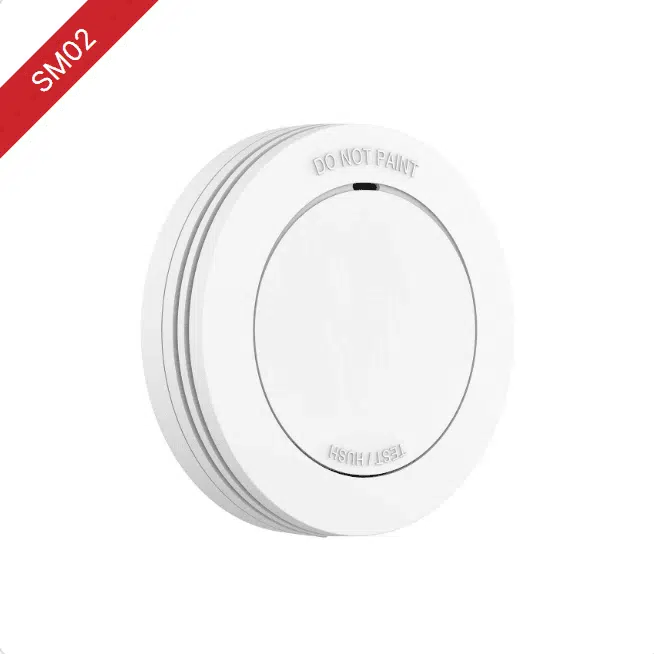
SM02 Standalone Photoelectric Mini Smoke Alarm
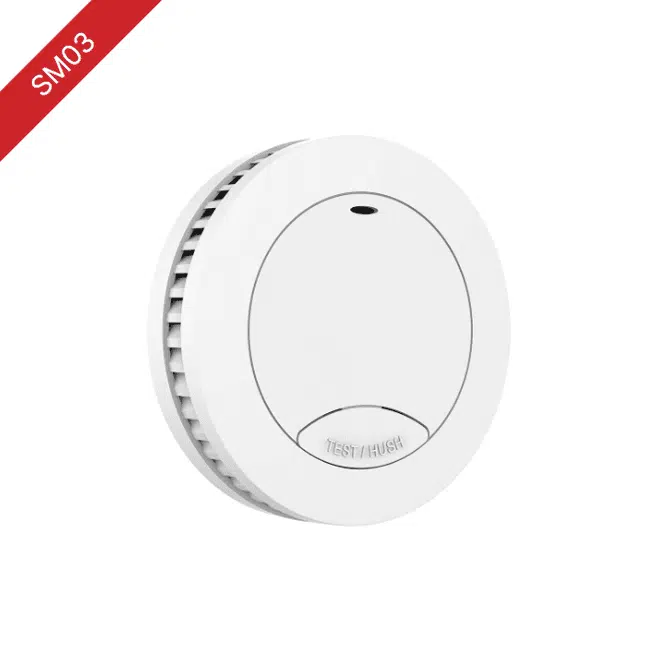
SM03 Standalone Photoelectric Mini Smoke Alarm
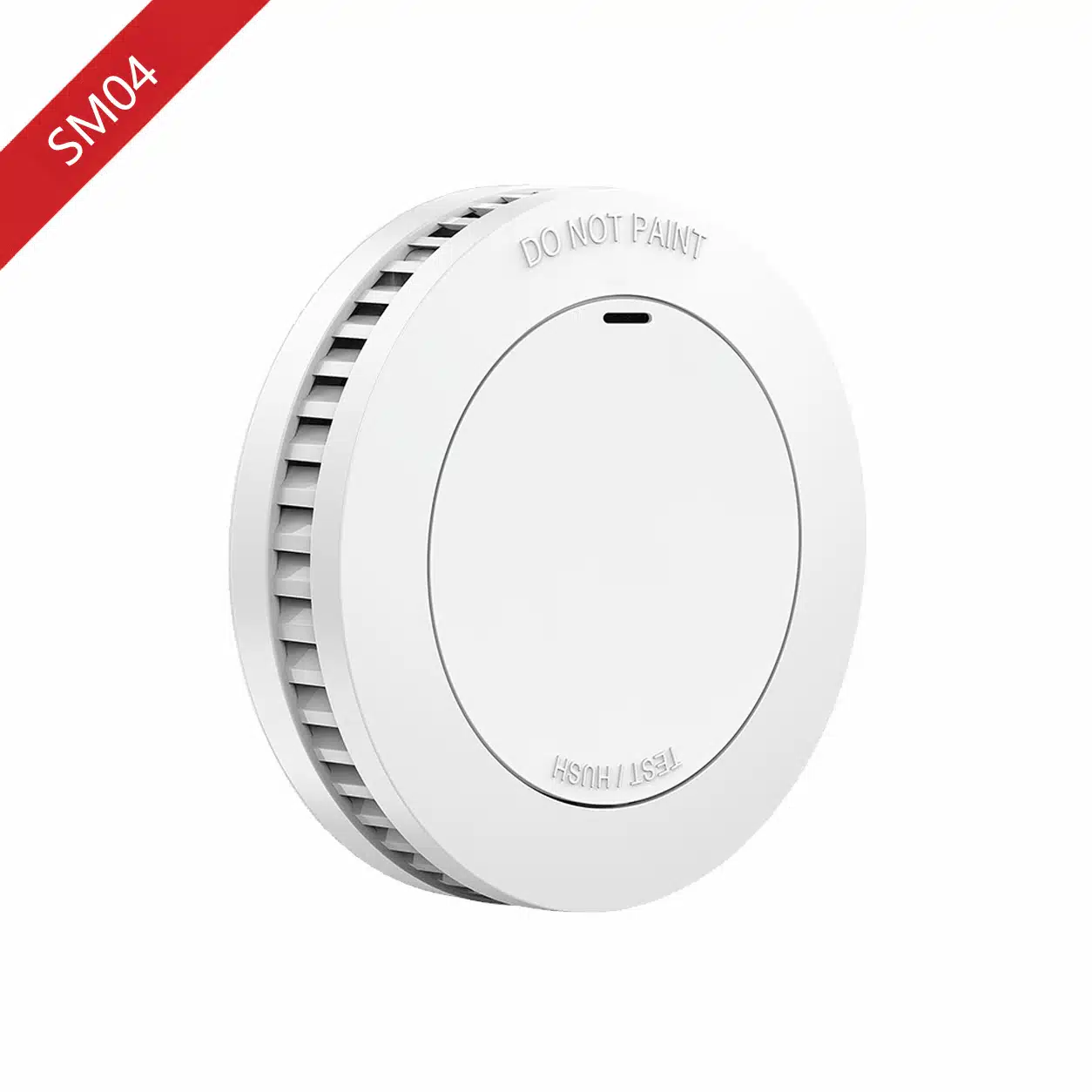
SM04 Standalone Photoelectric Mini Smoke Alarm
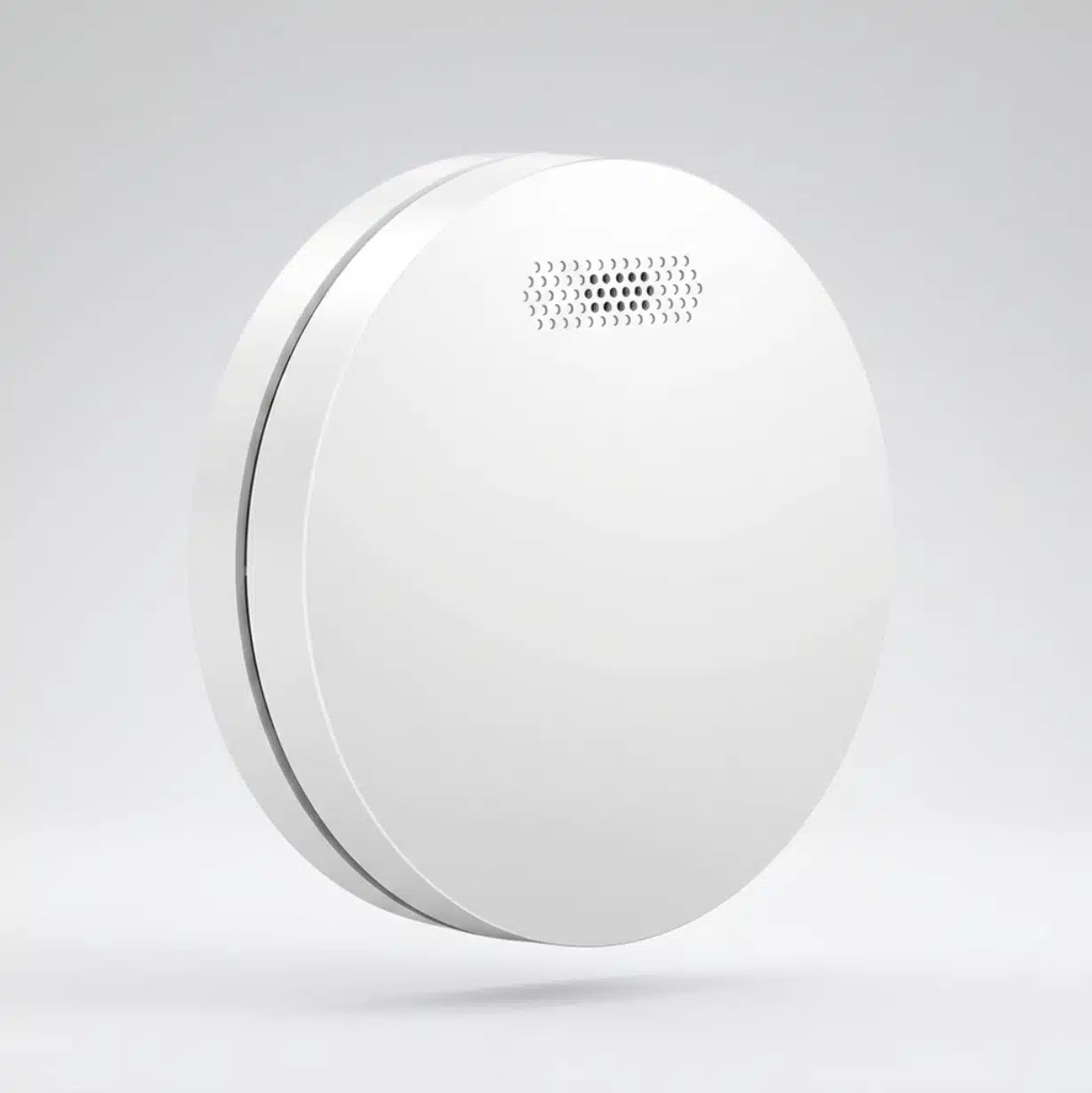
SM11HW WIFI Photoelectric Smoke Alarm
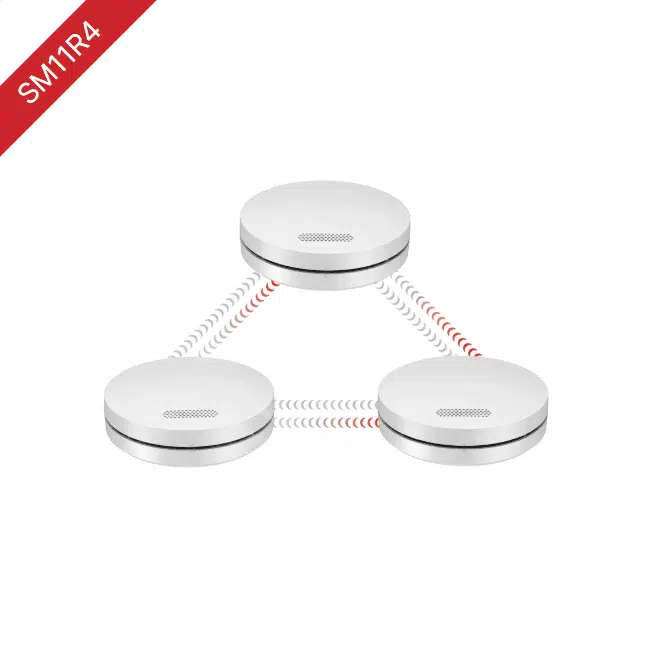
SM11R Wireless Interlinked Photoelectric Smoke Alarm
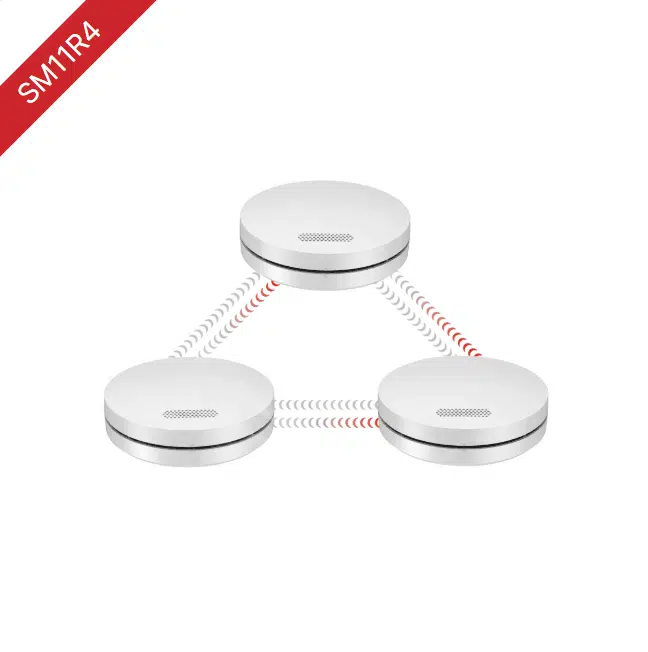
SM11R4 Wireless Interlinked Photoelectric Smoke Alarm
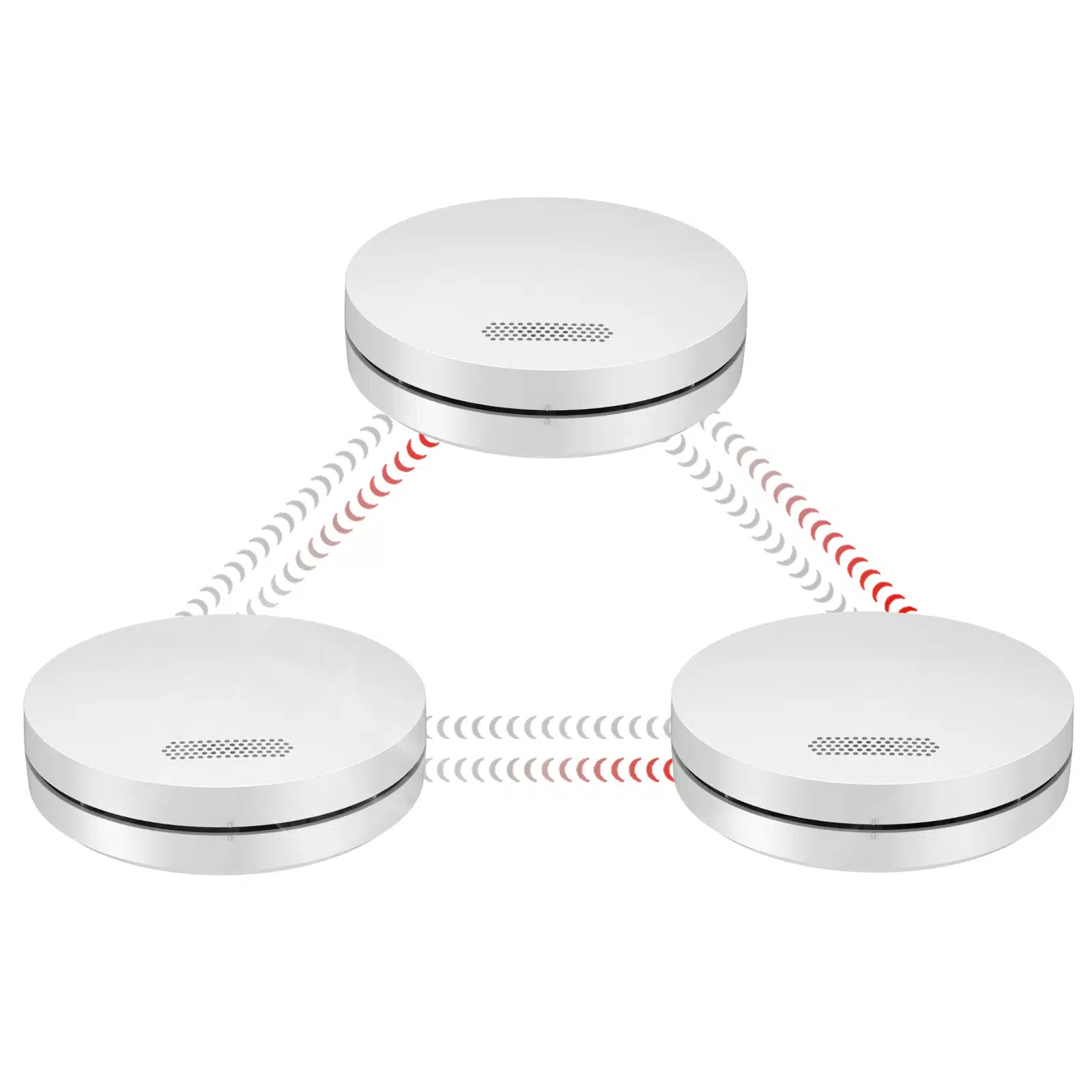
SM11R8 Wireless Interlinked Photoelectric Smoke Alarm
SM11RW Wi-Fi & Wireless Interlinked Photoelectric Smoke Alarm
SM11W WIFI Photoelectric Smoke Alarm
SM17 Standalone Photoelectric Smoke Alarm
SM17R Wireless Interlinked Photoelectric Smoke Alarm

SM17W WIFI Photoelectric Smoke Alarm
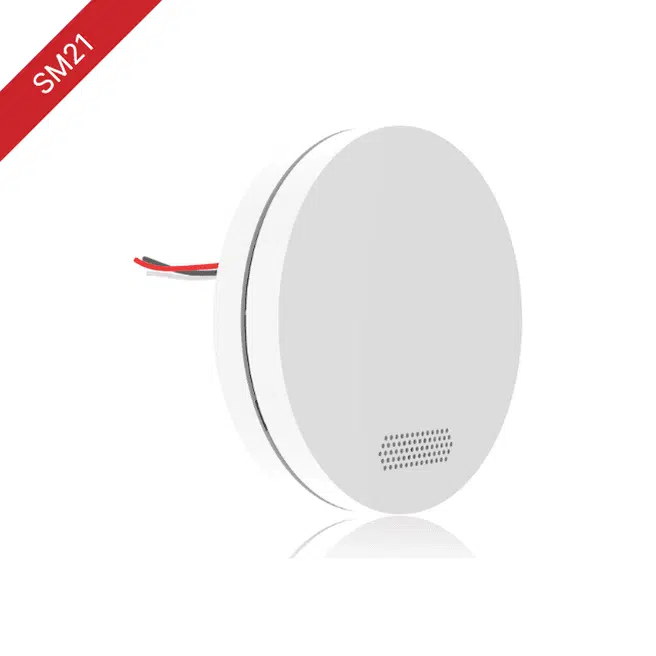
SM21 Hardwire WIFI Photoelectric Smoke Alarm with DC3V backup Battery
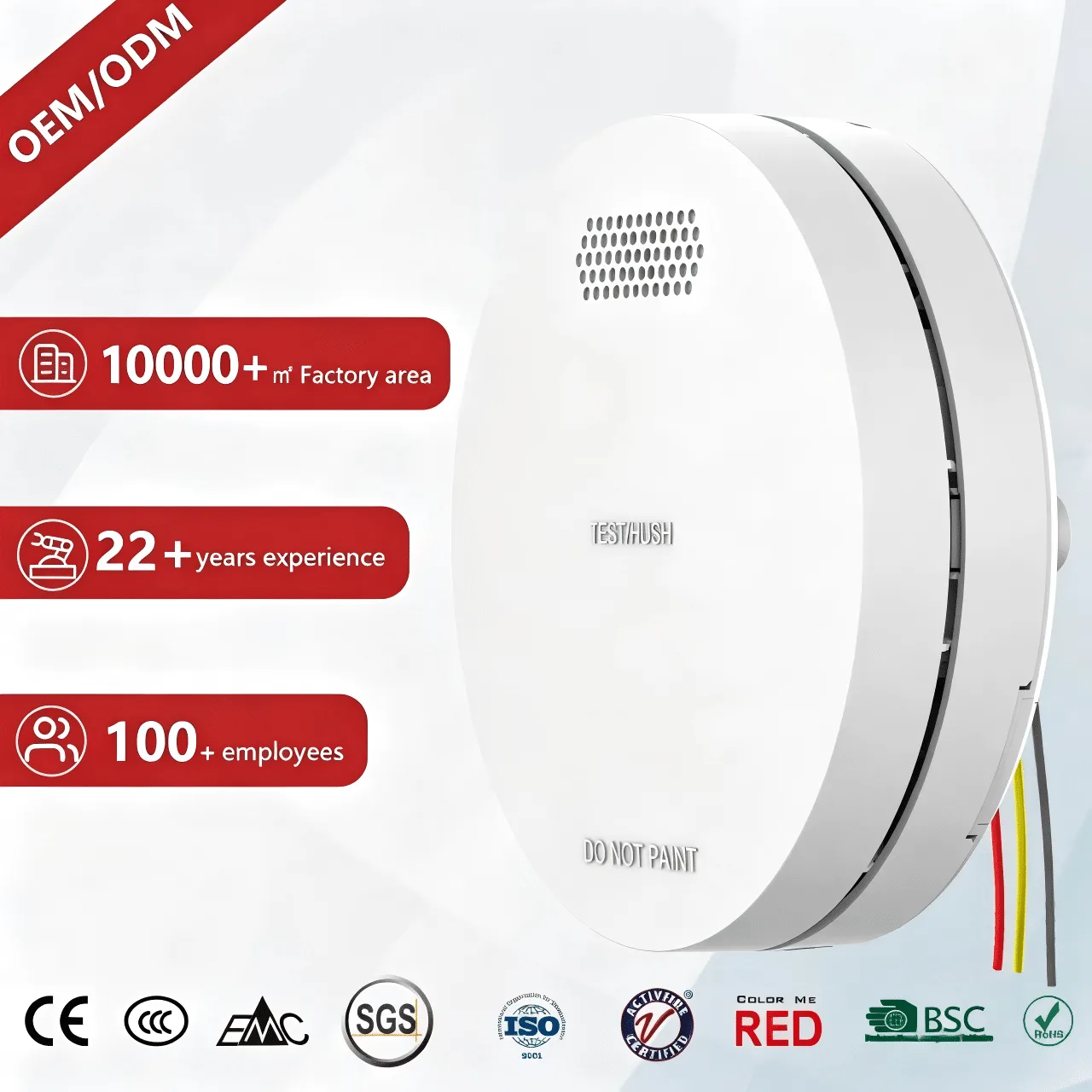
SM22 Hardwire Photoelectric Smoke Alarm with DC3V backup Battery
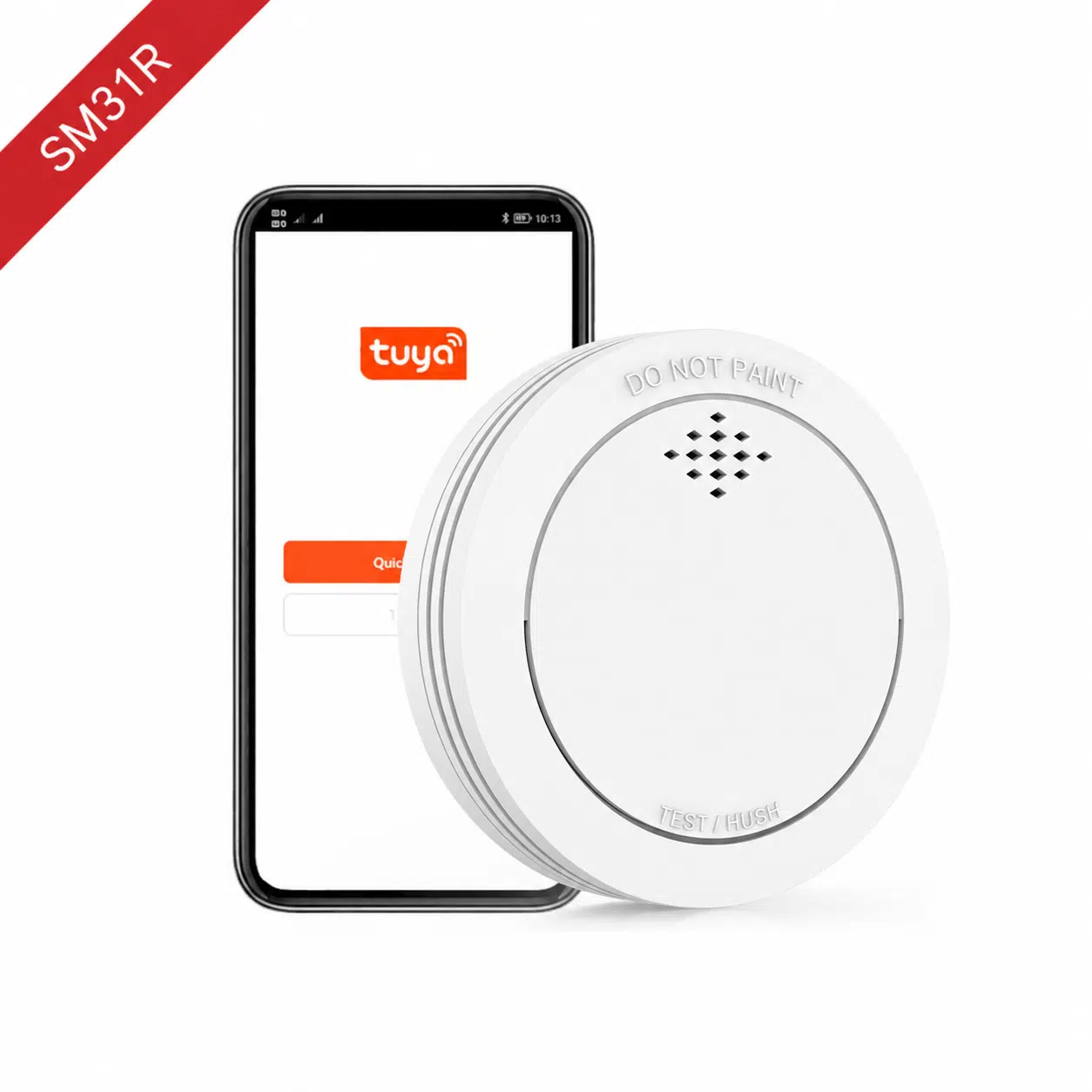
SM31R Wireless Interlinked Photoelectric Smoke Alarm
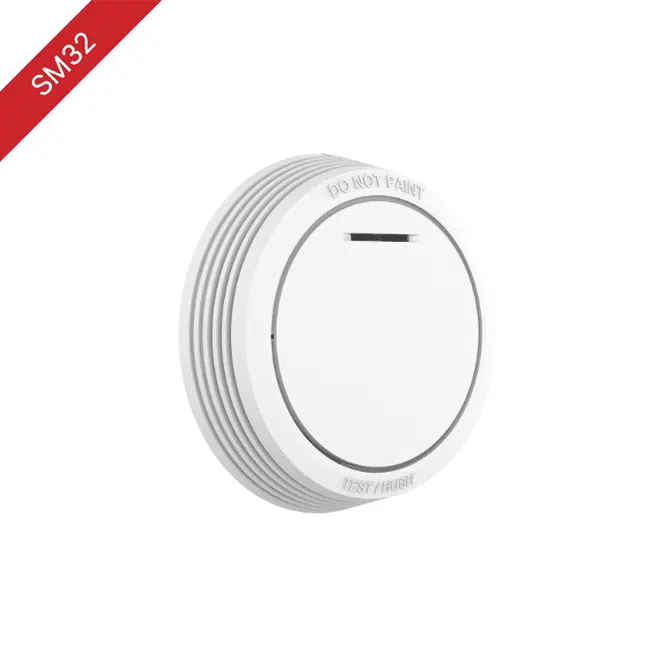
SM32 Standalone Photoelectric Mini Smoke Alarm
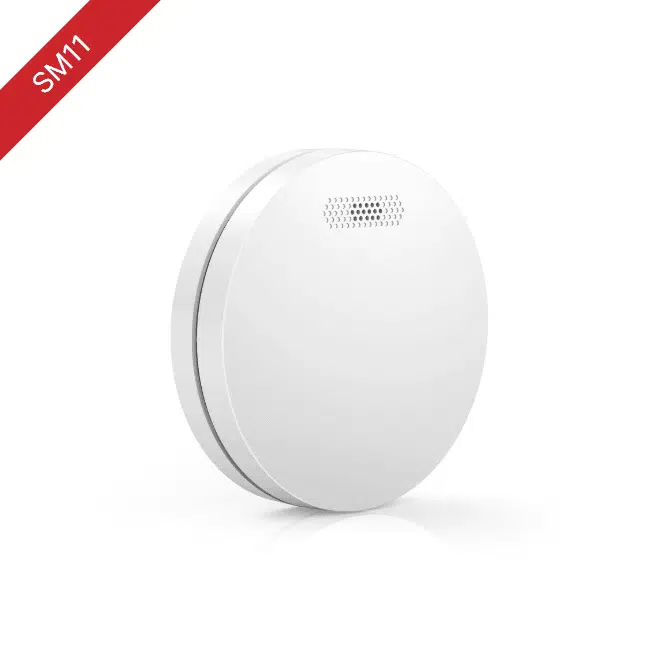
SM11 Ultra-slim And Ultra-light Stand Alone Smoke Detector
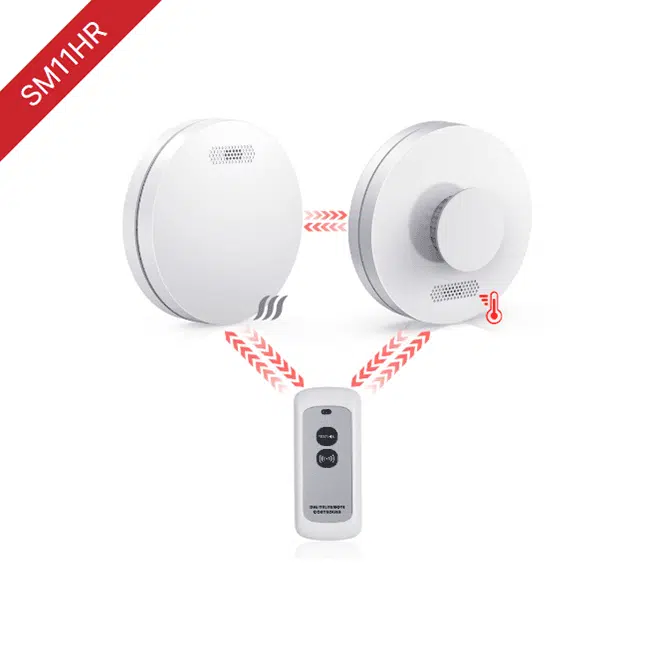
SM11HR Wireless Interlinked Smoke And Heat Combo Alarm


Commercial Smoke Alarm Requirements for Businesses: Codes, Installation & Maintenance Guide

Photoelectric Smoke Detectors: Technology, Standards & Why Modern Codes Mandate Them

Types of Smoke Detectors: A Complete Guide to Fire Detection Technologies & Terminology

What Causes Smoke Detector False Alarms? Common Triggers & Fixes

What Rooms Need Smoke Detectors? A Complete Room-by-Room Installation Guide for Homes and Residential Projects