HEAT DETECTION SOLUTIONS
BS 5446 Wireless Interconnected Heat Alarms
Wireless-interconnected heat alarms, designed to BS 5446 requirements, support earlier occupant notification and help reduce evacuation delays. The HD11 series wireless heat alarms are developed for residential fire protection applications requiring stable thermal sensing performance, RF interconnection and long-life power management.
BS 5446 Wireless Interconnected Heat Alarms Info
Wireless-interconnected heat alarms, designed to BS 5446 requirements, support earlier occupant notification and help reduce evacuation delays. The HD11 series wireless heat alarms are developed for residential fire protection applications requiring stable thermal sensing performance, RF interconnection and long-life power management.
Image | Model | Interconnection | Frequency | Power | Certification |
|---|---|---|---|---|---|
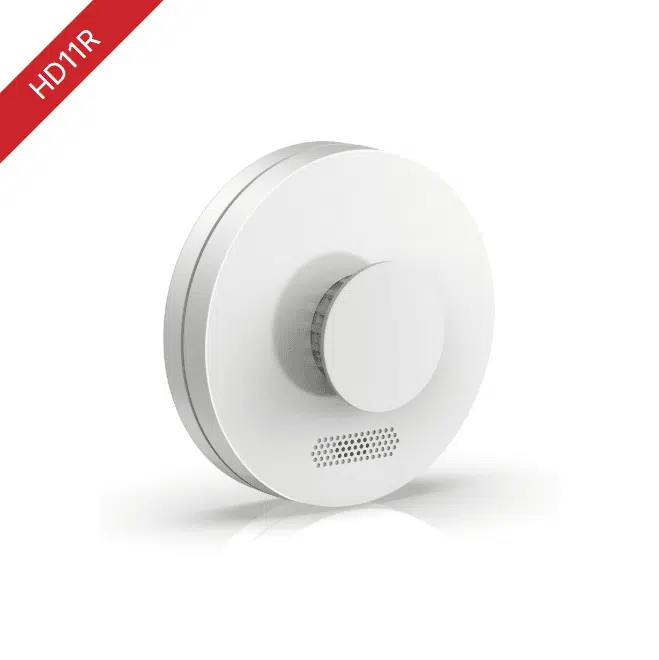
| Wireless | 433MHz | DC3V Sealed Lithium Battery | TUV + BS 5446 | |
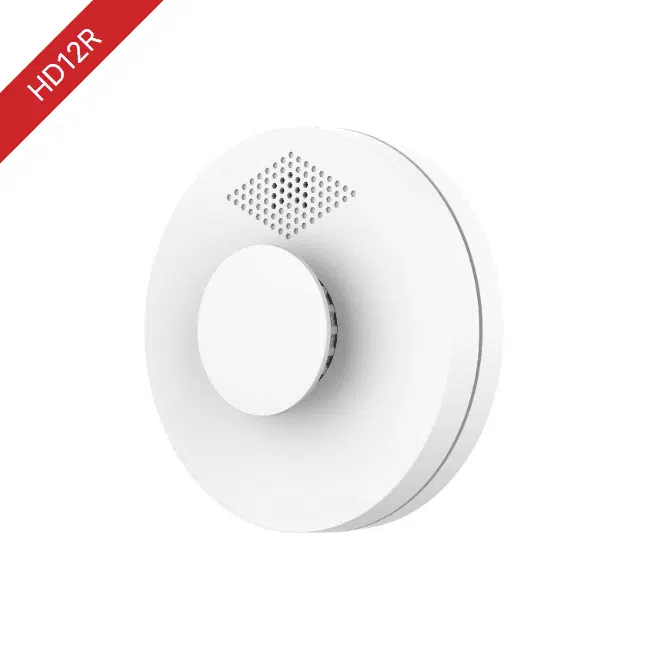
| Wireless | 433MHz | DC3V Sealed Lithium Battery | TUV + BS 5446 |
What is BS 5446 Heat Alarm Standard
BS 5446-2:2003 applies to residential heat alarms, ceiling or wall-mounted domestic installations, heat alarms used in houses, apartments and residential accommodation, and certain leisure accommodation vehicle (LAV) applications. Unlike smoke alarms, BS 5446-certified heat alarms are designed to respond to abnormal temperature rises or fixed heat thresholds and are installed in areas with smoke, steam, or cooking aerosols.

Heat alarms are specifically designed for environments where smoke alarms would produce nuisance activations.
Understanding when to specify heat alarms versus smoke alarms is essential for effective residential fire protection design.
Tips From CFS
Based on 20+ years of fire safety manufacturing experience, CFS always recommends installing heat alarms in kitchens and garages rather than smoke alarms. This single design choice dramatically reduces nuisance alarm callbacks and improves end-user satisfaction with your residential safety systems.
Key Aspects of European Standard BS 5446 Alarms
BS 5446-2 defines both construction and performance requirements for residential heat alarms. The certification process is based on type testing rather than simple component evaluation.
1. Heat Alarm Classification
BS 5446 classifies heat alarms into three thermal categories:
Class | Typical Application Temperature | Maximum Application Temperature | Static Response Temperature |
|---|---|---|---|
A1 | 25°C | 50°C | 54–65°C |
A2 | 25°C | 50°C | 54–70°C |
B | 40°C | 65°C | 69–85°C |
These classes define the operating temperature range and thermal response characteristics of the alarm. For most domestic kitchens and garages, A1 or A2 heat alarms are commonly used depending on ambient conditions.
2. Thermal Response Performance
A certified heat alarm must demonstrate stable and repeatable thermal response behaviors. BS 5446 evaluates static response temperature, directional dependence, response time under multiple temperature rise rates, high ambient temperature performance, low temperature operation, and reproducibility of response. Response testing is conducted inside a calibrated heat tunnel with controlled airflow and temperature rise conditions. This approach ensures that the alarm responds to real heat conditions rather than producing delayed or unstable activation.

3. Environmental Reliability Testing
Residential alarms may be exposed to humidity, vibration, corrosion and mechanical impact during long-term use. BS 5446 therefore requires environmental testing including humidity resistance, corrosion resistance, impact resistance, vibration testing, low-temperature operation, and supply voltage stability testing. The standard requires that alarm performance remains within specified response limits after environmental exposure. These tests are designed to verify long-term operational reliability rather than short-duration laboratory performance.
4. Sound Output Requirements
Alarm audibility is a critical life-safety parameter. BS 5446 requires:
These requirements help ensure alarms remain audible during sustained alarm conditions.
5. Interconnection Requirements
Modern residential fire protection increasingly relies on interconnected alarms. BS 5446 includes dedicated testing for multiple alarm interconnection, alarm signal transmission, interconnect line integrity, alarm silence behaviour, and sound output during interconnected operation. All interconnected alarms must activate correctly when one unit enters alarm condition. This requirement supports whole-home warning coverage and improved occupant response.
Tips From CFS
CFS HD11 series heat alarms feature RF 433MHz interconnection with sealed lithium batteries for long-life operation. When designing interconnected residential systems, pair BS 5446 heat alarms in kitchens with EN 14604 smoke alarms in living areas and bedrooms for comprehensive protection.
Company Info
Reliable heat alarm manufacturing depends not only on product design but also on process control and certification management. Our engineering and production teams support OEM and ODM development including housing customization, RF configuration, branding support, packaging development, and certification coordination.
Manufacturing Quality Control
Production management focuses on incoming material inspection, PCB functional verification, RF communication testing, acoustic testing, and finished product inspection.
Certification Support
Heat alarm projects may require BS 5446, EN 14604, EN 50291, TUV certification, and market-specific approvals. Certification planning during product development helps reduce project lead time and compliance risk.

Version History
Continuous product development and certification maintenance are important in residential fire alarm manufacturing. The HD11 wireless heat alarm platform follows a controlled version management process to support product consistency, firmware optimization and market compliance.
Version | Update | Description |
|---|---|---|
V1.0 | Initial Release | BS 5446 wireless heat alarm platform introduced |
V1.1 | RF Optimization | Improved wireless interconnection stability |
V1.2 | Power Management | Optimized lithium battery performance |
Current | Production Version | TUV-certified BS 5446 compliant models |
Europe BS 5446 Heat Alarm Requirements
BS 5446 heat alarms with an interconnected residential system are installed in kitchens and garages, where smoke alarms may generate nuisance alarms. Unlike smoke alarms, heat alarms are engineered for environments with cooking fumes, steam, dust particles, vehicle exhaust residue, and rapid humidity fluctuations.
Kitchen Heat Alarm
A BS 5446 heat alarm can detect rising heat or heat limits without reacting to normal cooking smoke or steam in kitchens, improving alarm reliability while reducing nuisance activations. Typical applications include residential kitchens, open-plan kitchen areas, student accommodation, and rental housing.
Garage Heat Alarm
Garages often contain vehicle engines, fuel vapor residue, power tools, and dust and particulate contamination. Smoke alarms may become unstable in these conditions. Heat alarms provide a more suitable detection method where combustion risk exists but airborne contaminants are common. Typical applications include attached garages, detached garages, workshops, and storage rooms.
Utility and Boiler Rooms
Heat alarms are also commonly installed in laundry rooms, plant rooms, boiler spaces, and mechanical equipment areas. These locations may experience elevated background temperatures or airborne particles that are unsuitable for smoke sensing technologies.

BS 5446 itself clearly notes that a heat alarm should not be regarded as a complete fire safety solution when used alone.
Residential protection is generally enhanced when heat alarms operate as part of an interconnected fire alarm system that includes smoke alarms.
Area | Recommended Device |
|---|---|
Bedroom | Smoke Alarm |
Living Room | Smoke Alarm |
Hallway | Smoke Alarm |
Kitchen | Heat Alarm |
Garage | Heat Alarm |
This arrangement improves early fire detection while reducing unnecessary alarm events.
FAQ
Other Alarm Products suit BS 5446
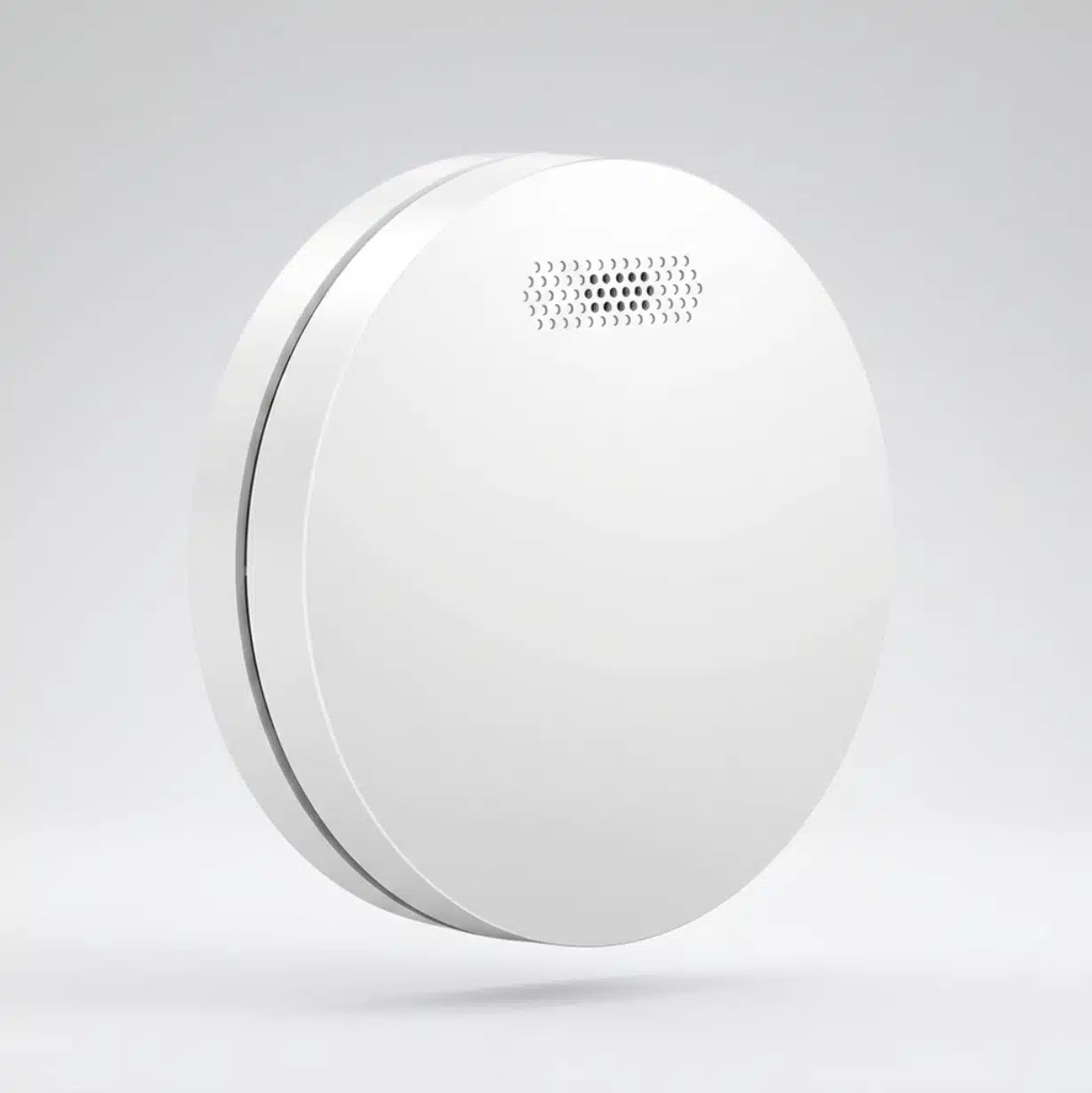
Combo alarms can provide comprehensive residential safety solutions to improve fire warning coverage and reduce false alarms. Learn more about our combo alarm OEM/ODM solutions.
Image | Item | Model | Product Type |
|---|---|---|---|
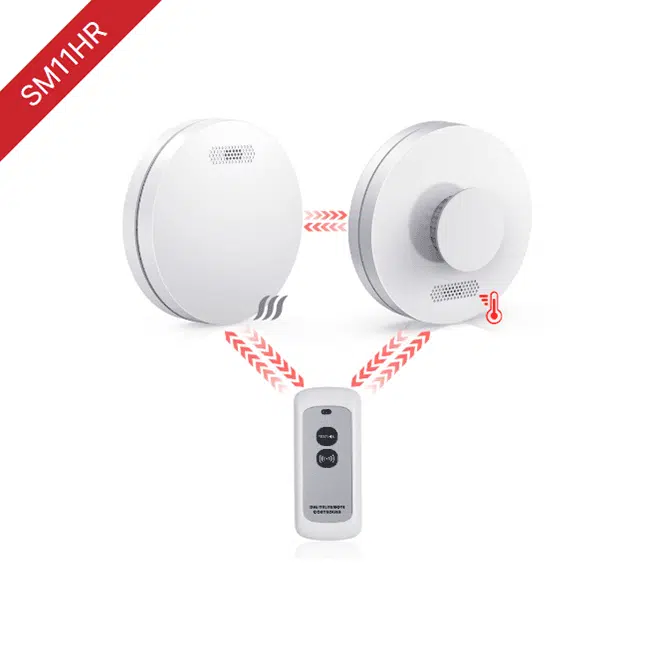
| Heat & Smoke Combo | RF Interlinked, Photoelectric + Thermal | |
| Heat & Smoke Combo | Wi-Fi + RF, Photoelectric + Thermal |
Other Standard Products
Residential safety systems increasingly combine multiple alarm technologies to improve fire and gas protection coverage. In addition to BS 5446 heat alarms, the following products are commonly integrated into residential projects:
Standard | Product Type | Typical Application |
|---|---|---|
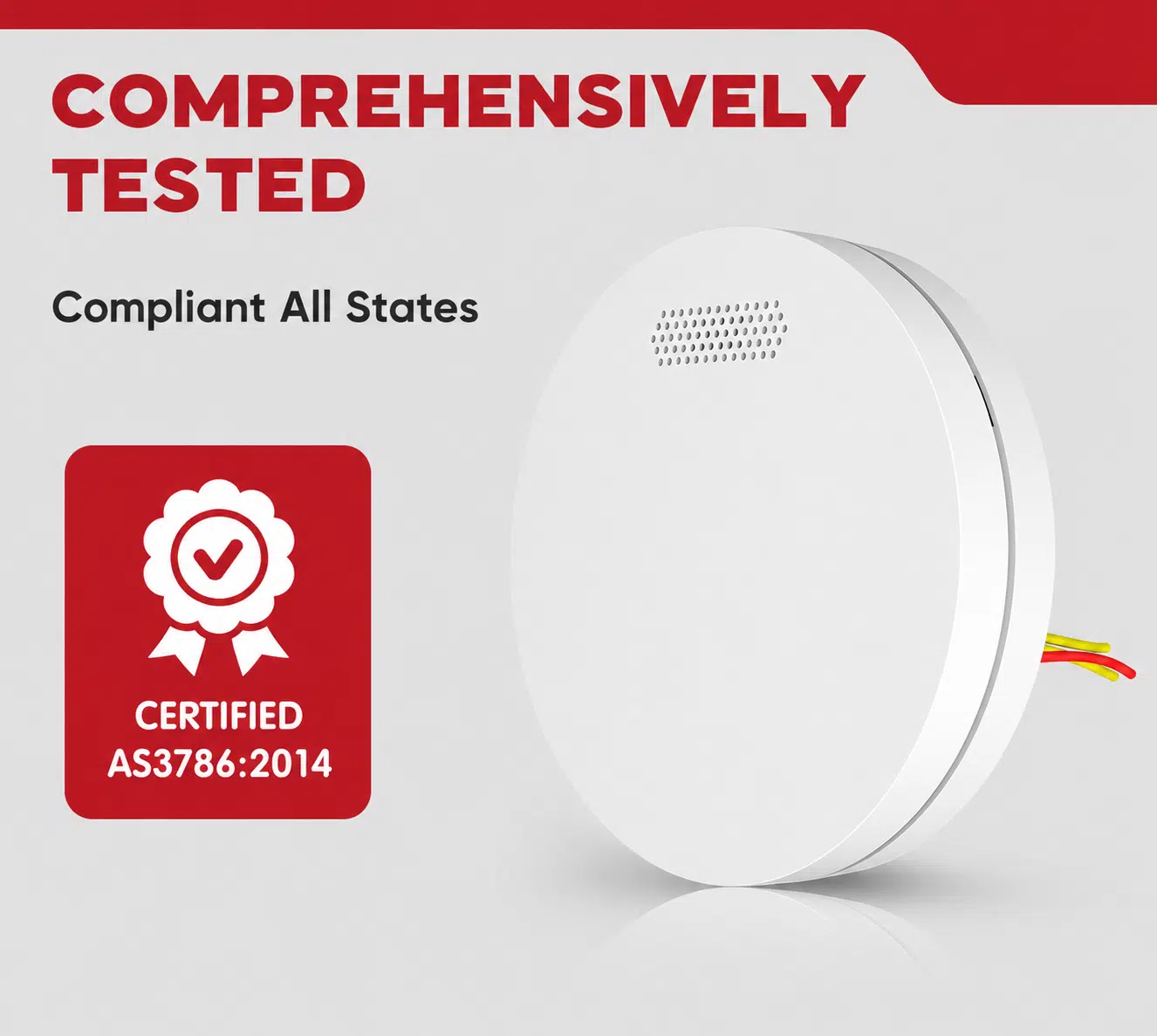
AS 3786 | Smoke Alarm | Australia residential market |
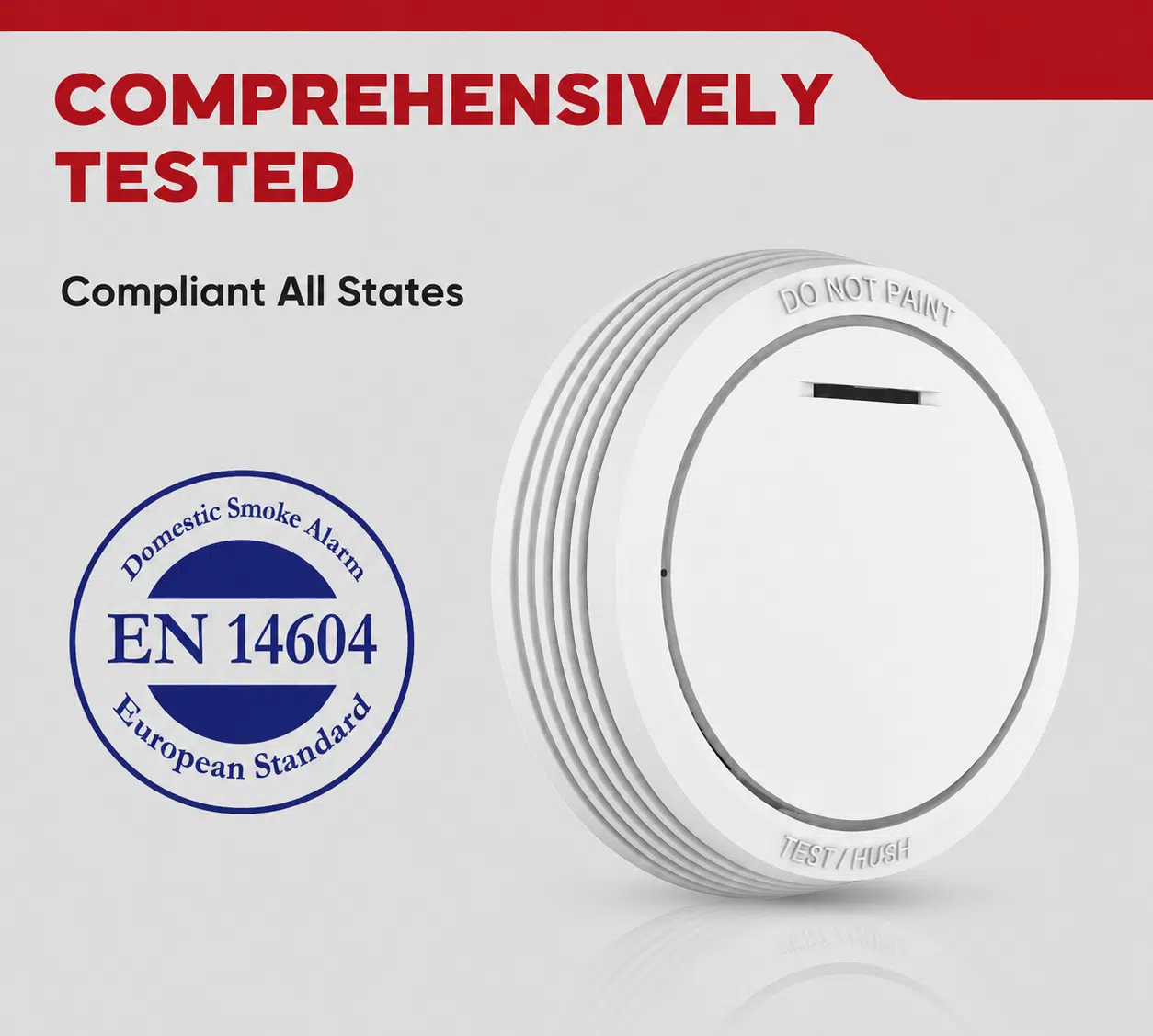
EN 14604 | Smoke Alarm | Europe smoke alarm |
EN 14604 + EN 50291 | Smoke + CO Combo Alarm | Residential combined protection |
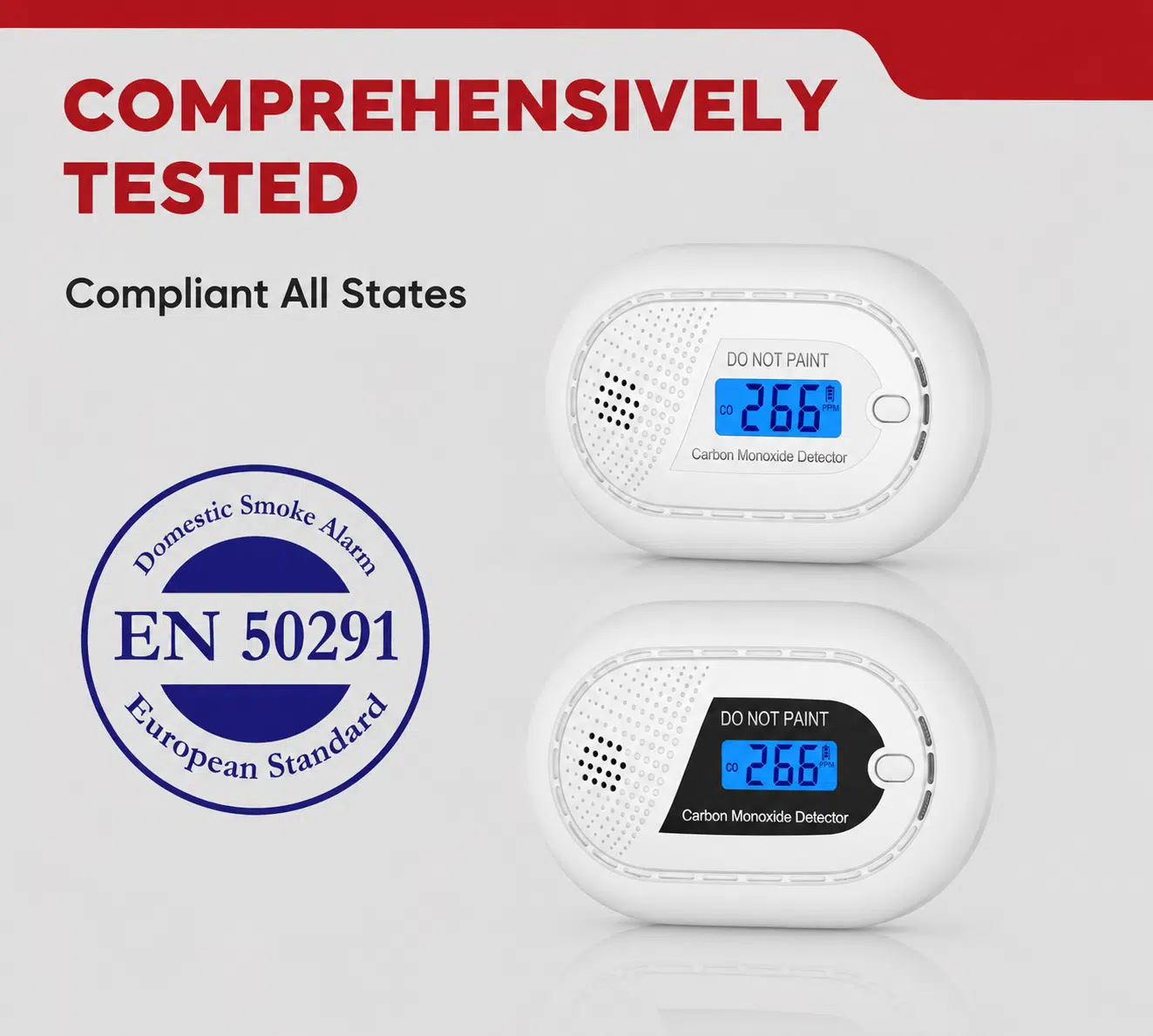
EN 50291 | Carbon Monoxide Alarm | CO protection |
UL 2034 / UL 2075 | CO and Gas Alarm | North American market |

Get Started with CFS BS 5446 Heat Alarms
Ready to add BS 5446 certified wireless heat alarms to your residential safety product line? CFS offers complete OEM/ODM services with TUV-certified manufacturing and RF interconnection technology. Contact our team today to discuss your project requirements.