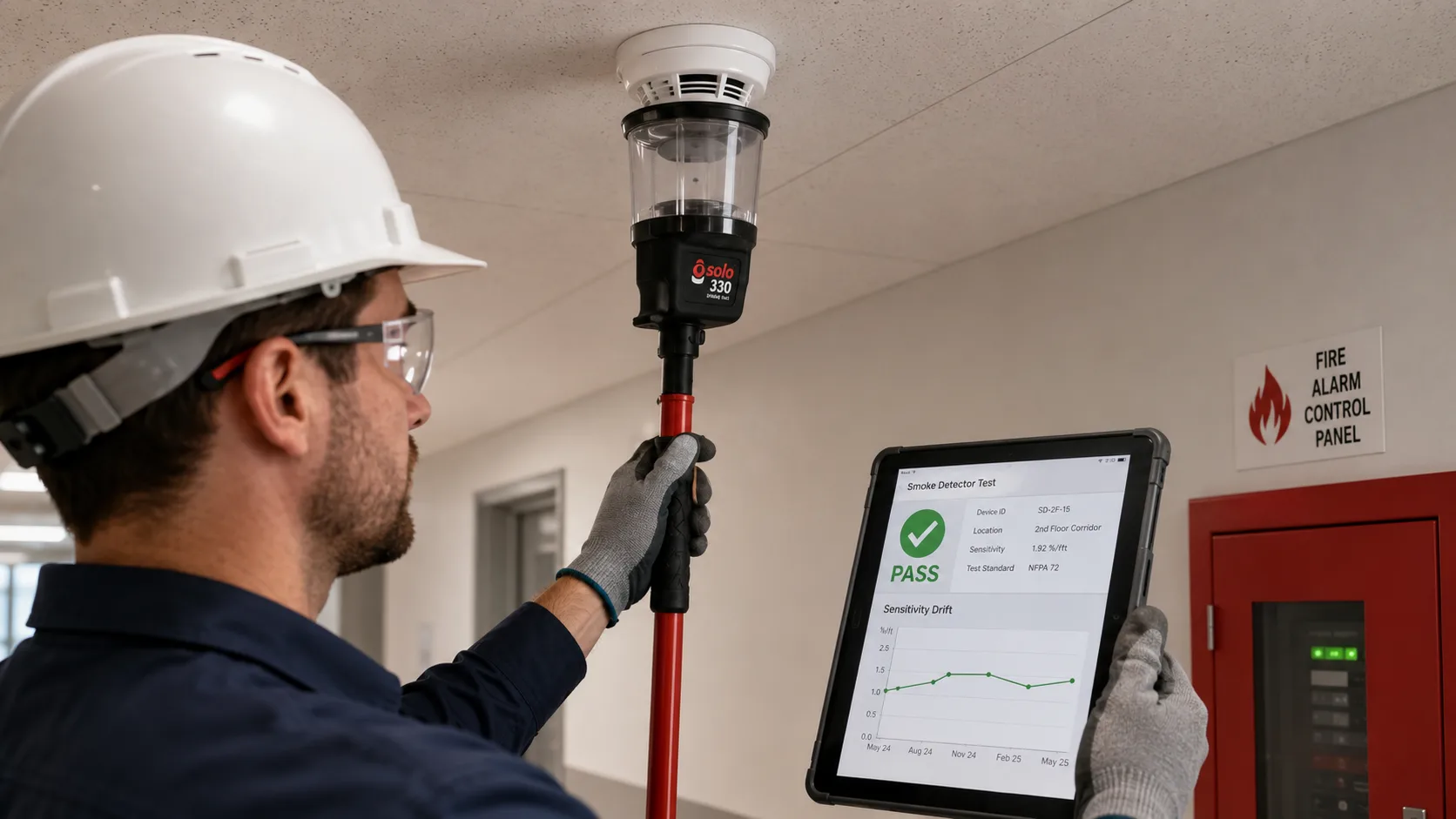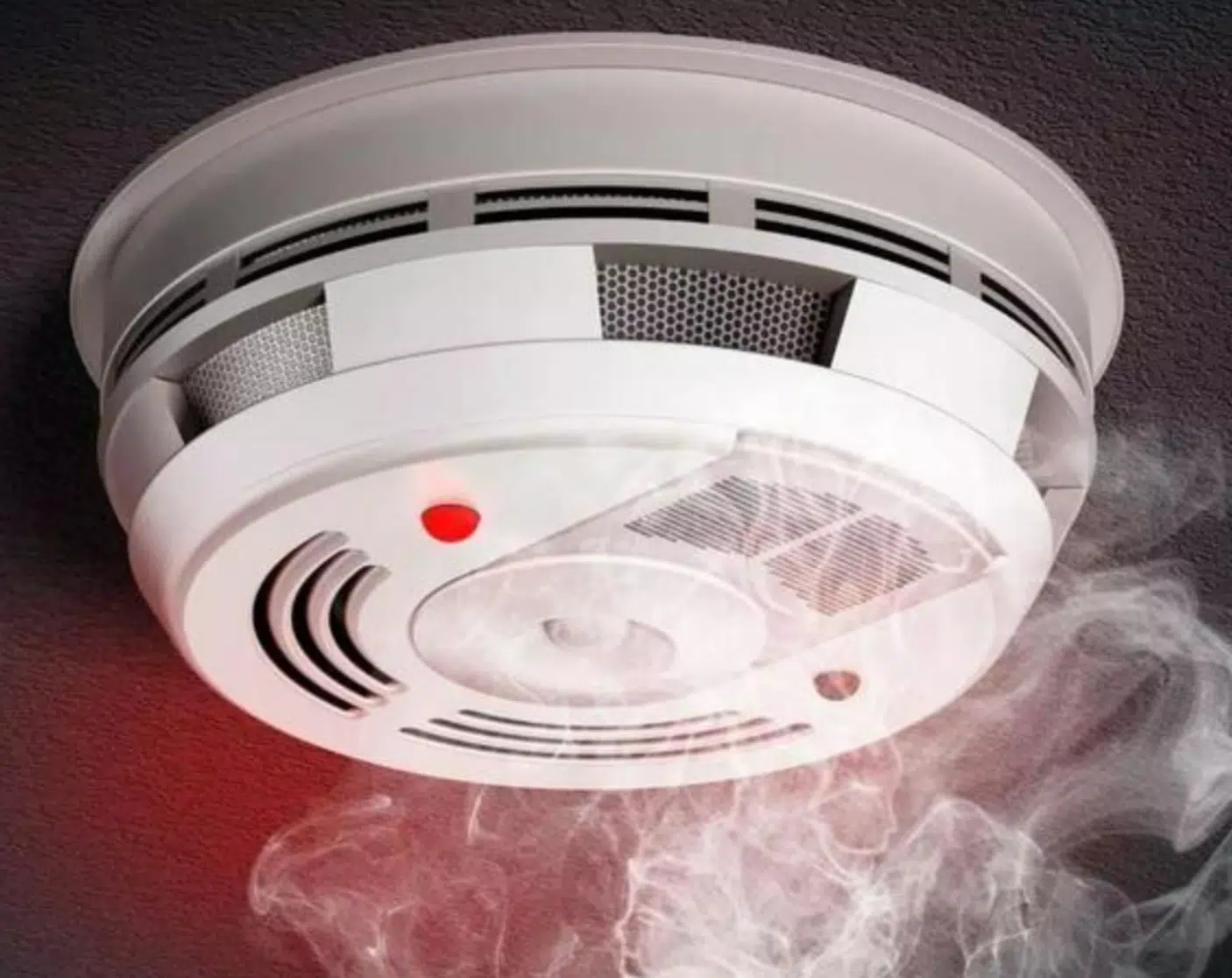
Case Study of Smoke Alarm System for Kitchen Steam False Alarm Prevention Project
EN 14604 Anti-Cooking Interference and Intelligent Algorithm OEM/ODM Solution
Frequent false alarms from photoelectric smoke detectors, caused by cooking steam, fumes, and water vapor, lead users to remove batteries or obstruct detectors, creating serious fire safety hazards. But traditional photoelectric smoke detectors cannot distinguish real fire smoke from cooking steam/fume particles, resulting in a persistently high false alarm rate in kitchen scenarios.
This project integrates five major hardware and software modules: dual-wavelength photoelectric detection, multi-angle scattering signal analysis, cooking-interference feature recognition algorithms, intelligent dynamic threshold adjustment, and a maze structure for steam protection to meet EN 14604 requirements on resistance to false alarms caused by cooking interference. Without reducing fire detection sensitivity, altering product appearance and molds, or compromising compatibility with existing mass production lines, the solution significantly reduces false alarms in kitchen scenarios. The solution meets the EN 14604 European standard, is suitable for European residences, rental apartments, guesthouses, and hotels, and is ideal for OEM/ODM customized export of kitchen smoke detectors with false alarm resistance.
Project Overview
EN 14604 mandates testing for cooking interference scenarios. We face a dilemma: increasing the threshold → reduced fire detection sensitivity; lowering the threshold → frequent false alarms in the kitchen. This project delivers a collaborative hardware and software upgrade. The casing, structure, mounting location, and production-line assembly reuse existing solutions, eliminating the need for new molds. It enables rapid prototype verification, small-batch trial production, and mass-production implementation. We provide mature, implementable OEM/ODM solutions for kitchen smoke alarms with anti-false-alarm capabilities, focused on serving European customers.
Project Info
Project | Details |
|---|---|
Project Name | Smoke Alarm Kitchen Steam Anti-False Alarm Optimization Project |
Implementation Time | June 2026 |
Service Model | OEM/ODM solution customization |
Compatible Products | |
Detection Solution | Photoelectric detection |
Target Market | Europe |
Compliance Standards | EN 14604, CE certification, RoHS, REACH |
Battery Solution | Built-in sealed long-life lithium battery / replaceable battery |
Core Optimization Modules | cooking interference recognition algorithm, dynamic threshold adjustment, maze anti-steam structure optimization |
Project Implementation Timeline | Requirements review → Optical solution selection → Algorithm development and debugging → Interference scenario verification → EN 14604 Smoke Box Sensitivity Verification → Small-Batch Trial Production → Mass Production Implementation |

Customer Needs
This German client provides products for apartments, guesthouses, hotels, and rental properties with operations across the EU. They faced a significant challenge: frequent false alarms from kitchen-area alarms.
The client required a robust kitchen false alarm suppression solution compliant with EN 14604:
Customized Optimization Scope
1. Dual-Wavelength Photoelectric Detection Solution
Uses different particle sizes that exhibit significantly different scattering characteristics with light; blue light works for real fire 0.01-1μm smoke particles, and cooking steam and water mist particles (> 1 μm) exhibit dominant infrared scattering.
2. Multi-Angle Scattering Signal Analysis
Smoke particles from fire show a uniform scattering-angle distribution, but large-diameter cooking smoke particles show stronger forward scattering. We collect forward, lateral, and backward scattering signals in the smoke chamber.
3. Cooking Interference Feature Recognition Algorithm
A self-developed time-series feature recognition algorithm is used, with input three-dimensional judgment factors: dual-wavelength scattering ratio, multi-angle scattering distribution pattern, and signal change curve over time.
- Cooking steam/fumes: Pulsating rapid rise, short-term fall.
- Real fire smoke: Continuous signal rise, stable characteristics.
The algorithm uses a sliding window for continuous monitoring, temporarily suppressing alarms when interference features are identified; once the signal transitions to a continuously rising fire characteristic, normal alarm logic is immediately restored. The algorithm has been ported to low power consumption and runs on the main control MCU without disrupting the overall low-power baseline. Parameter switches are reserved for adjusting parameters according to different cooking habits in Europe.
4. Intelligent Threshold Dynamic Adjustment
Abandoning fixed thresholds, a dynamic threshold mechanism with a safety upper limit is added. The alarm threshold is fine-tuned based on baseline noise and time-of-day characteristics (morning, noon, and evening cooking peaks), setting a hard safety upper limit to prevent false alarms caused by excessively high thresholds; during non-cooking periods, the threshold reverts to the standard threshold, forming a double protection with the feature recognition algorithm.
5. Maze Structure Steam Protection Optimization (Physical Layer Protection)
Added an air inlet within the existing maze shell to deflect incoming steam flow, allowing large water droplets to settle before reaching the optical components, without modifying the mold. Physical interception of large steam particles and algorithmic recognition form a dual “physical + software” anti-false-alarm system.
Technical Pain Points and Industry Challenges
- Overlapping Particle Characteristics: Some oil fume particles overlap with fire smoke in size range. Particle size changes dynamically during steam condensation, making single-dimensional detection prone to misjudgment.
- EN 14604 has specific testing requirements for cooking interference scenarios, making it difficult for traditional solutions to pass without sacrificing sensitivity.
- Multi-dimensional signal recognition algorithms require more power, increasing standby power consumption and impacting the 10-year lithium battery life target.
- Differences in European cooking scenarios require algorithms to support parameter-tuning flexibility to adapt to different markets.

Kitchen Steam Smoke Alarm manufacturer CFS

Solution Limitations and Risks
Limitations | Description |
|---|---|
Extreme Cooking Scenarios: | Even under extreme conditions such as high-heat stir-frying and continuous deep-frying in open kitchens, there is still a very low probability of occasional false alarms. The solution is optimized for typical European cooking scenarios and cannot cover all extreme cooking behaviors. |
Sensitivity Boundaries | The response to extremely slow smoldering fires exhibits slight fluctuations within the standard allowable range. The final judgment is based on the official EN14604 smoke box test results. |
Algorithm Adaptability Boundaries | The algorithm is trained based on typical European interference samples. Parameters can be fine-tuned during deployment to match the target market |
Certification Responsibility Boundaries | We are responsible for solution design and pre-testing verification. The customer is responsible for obtaining the complete EN14604 certification for the entire unit. We provide a full set of technical documents and support for certification. |
Excluded Scenarios | This solution is not suitable for commercial restaurant kitchens or industrial kitchens. These scenarios require dedicated industrial fire detection equipment. |
Overall Solution and Verification System
Four-Dimensional Closed-Loop Architecture: Optical Layer → Algorithm Layer → Structural Layer → Power Consumption Layer
Layer | Optimization Strategy |
|---|---|
Optical Layer | Infrared + blue light detection + multi-angle scattering signal acquisition |
Algorithm Layer | Cooking interference feature recognition + intelligent dynamic threshold + time-series signal analysis, supporting European parameter tuning |
Structural Layer | Maze-like air intake optimization, airflow path reconstruction, large particle settling design, without altering the external model |
Power Consumption Layer | Low-power algorithm trimming, time-division sampling scheduling, MCU deep sleep scheduling, ensuring long battery life |
Complete verification test matrix (compatible with EN 14604)
Test Items | Test Conditions | Judgment Criteria |
|---|---|---|
Oil Fume Test | Standardized cooking oil fume environment | False alarm rate significantly reduced |
Steam Test | Standard water mist steam environment | No false alarms |
EN14604 Smoke Box Sensitivity Test | EN 14604 standard smoke box | Meets European standard response threshold |
Smoldering Flame Response Test | Standard smoldering flame source | Response falls within standard allowable range |
Dual Wavelength Signal Comparison Verification | Standard smoke / interference particle samples | Stable output of distinguishable feature ratio |
Overall Power Consumption Test | 25℃ anti-false alarm algorithm resident operation | Standby current meets long-life battery specifications |
Reliability | -10℃ ~ 50℃ cycling | Stable detection and anti-interference functions |
Comparison of Data Before and After Optimization
Project | Mainstream Competitor Solutions | Old Solution | Optimized Solution |
|---|---|---|---|
Detection | Single-wavelength infrared | Single-wavelength infrared | Dual-wavelength + multi-angle scattering acquisition |
Kitchen Scene False Alarm Performance | High frequency | High frequency | Significantly reduced |
EN14604 Cooking Interference Test | Some failed | Passed | Passed |
Real Fire Sensitivity | Some products sacrifice sensitivity for anti-interference | Complies with standards | Meets EN14604 standard sensitivity |
Interference Identification Logic | Fixed threshold judgment | Fixed threshold judgment | Feature recognition + dynamic threshold dual protection, supports European parameter tuning |
Maze Anti-Steam Design | No specific optimization | No specific optimization | Flow diversion + sedimentation structure optimization |
Algorithm Power Consumption | No multi-dimensional algorithm | No multi-dimensional algorithm | Low power porting, does not affect battery life |
Market Adaptability | Fixed parameters | Difficult to adjust | Supports parameter configuration for different regions in Europe |
Final Project Outcomes and Commercial Value
Technical Achievements
Compliance Achievements
Compatible with EN 14604, CE certification, RoHS, and REACH; provides a complete European design data package to support customer certification of the entire machine.
Mass Production Achievements
Fully compatible with existing molds and assembly lines, it can quickly handle OEM orders.
Commercial Value
We offer full-chain OEM/ODM support for kitchen smoke alarms with false alarm prevention capabilities.

Kitchen Steam Smoke Alarm private label CFS

FAQ
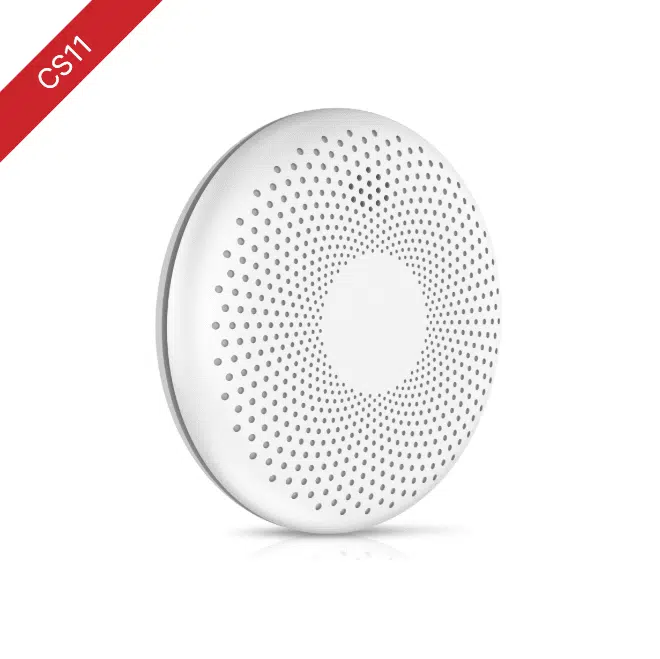
CS11 Standalone Smoke And Carbon Monoxide Combo Alarm
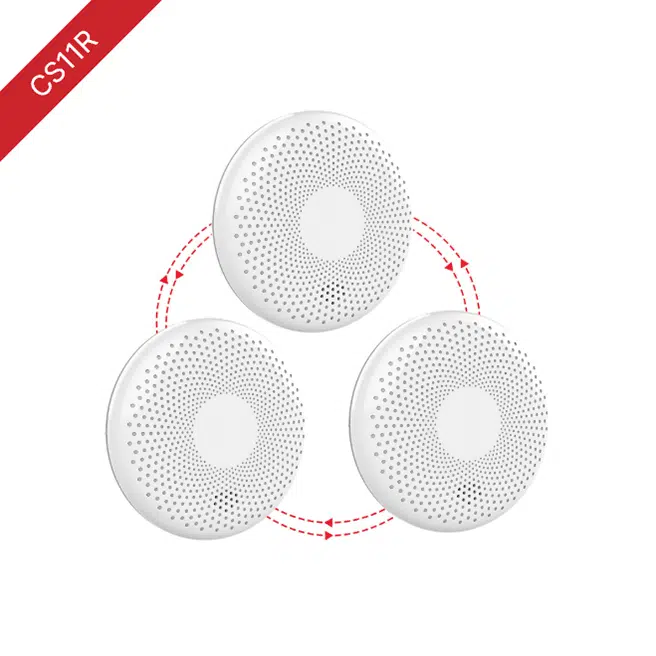
CS11R Wireless Interlinked Smoke & Carbon Monoxide Combo Alarm

CS11W WIFI Smoke And Carbon Monoxide Combo Alarm
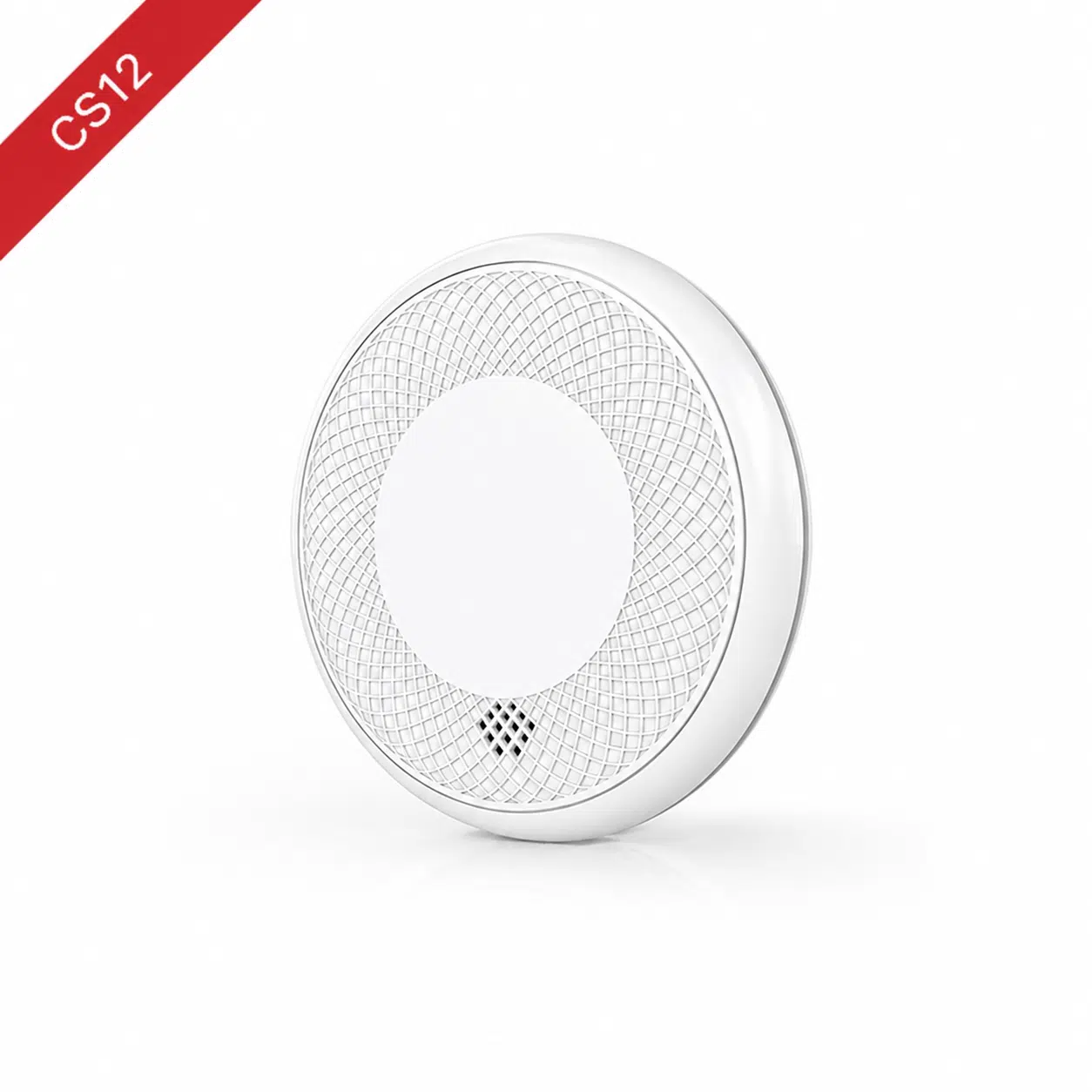
CS12 Standalone Smoke And Carbon Monoxide Combo Alarm
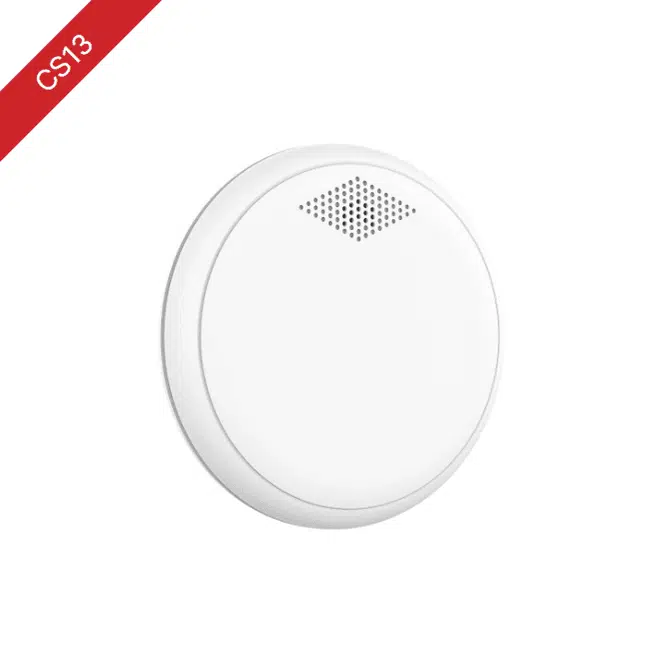
CS13 Standalone Smoke And Carbon Monoxide Combo Alarm
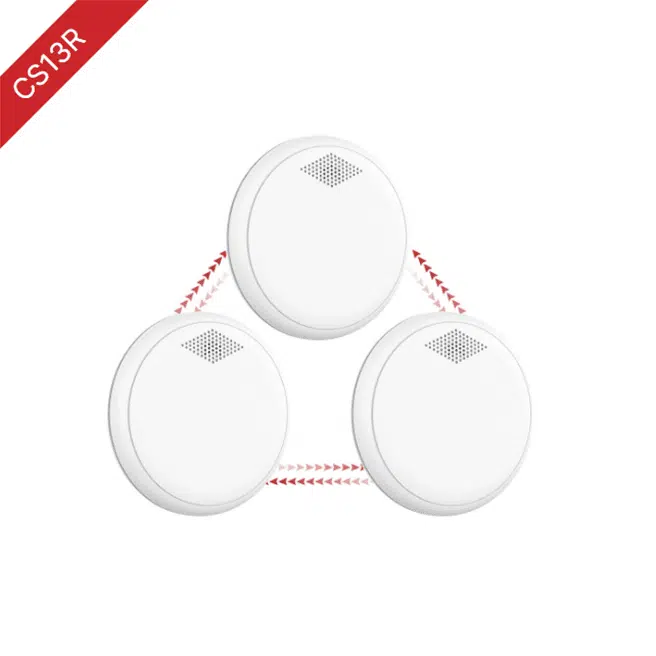
CS13R Wireless Interlinked Smoke And Carbon Monoxide Combo Alarm

CS13W WIFI Smoke And Carbon Monoxide Combo Alarm
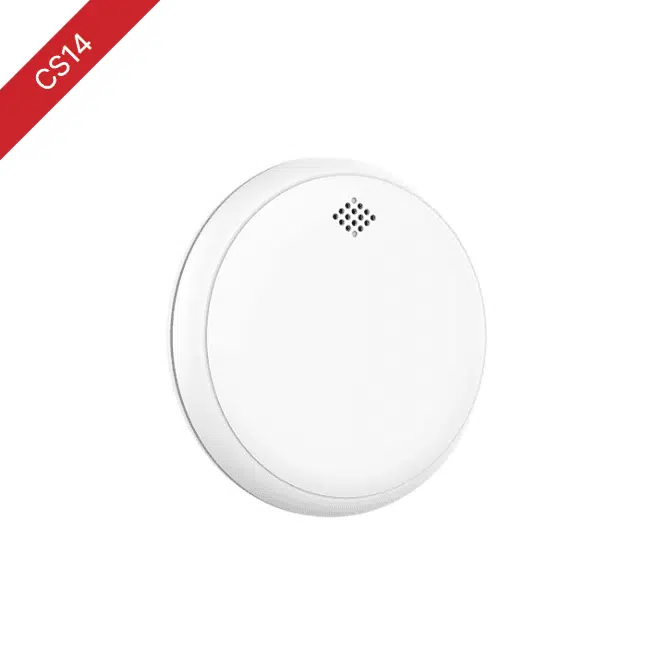
CS14 Standalone Smoke And Carbon Monoxide Combo Alarm
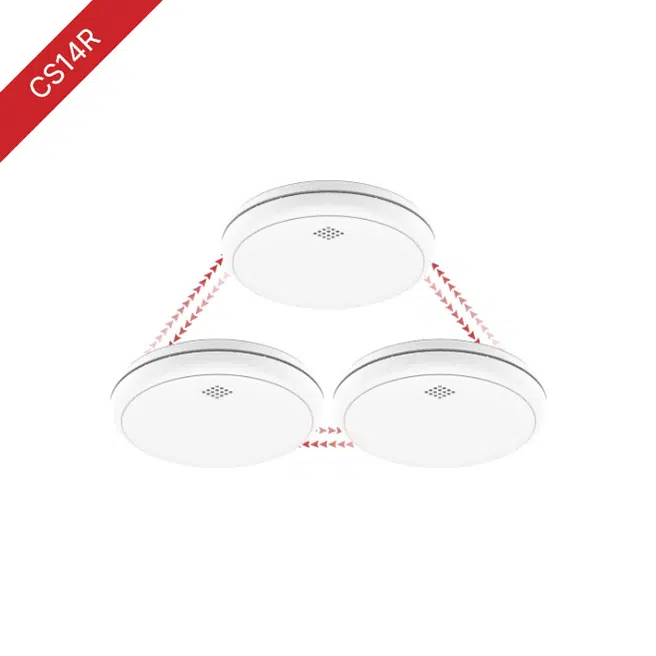
CS14R Wireless Interlinked Smoke And Carbon Monoxide Combo Alarm